

TPO vs PVC Roofing: Which One Lasts Longer?
When evaluating TPO vs PVC roofing, understanding their longevity, performance, and overall value is essential for protecting a commercial property investment. Both materials are top contenders in the single-ply membrane category, but their differences in formulation, durability, and cost can lead to significantly different long-term outcomes. At Capstone Roofing, we take pride in helping business owners make informed decisions based on their facility’s unique roofing needs.
- Material comparison: Learn what sets TPO and PVC apart in construction and chemistry.
- Longevity factors: Discover how weather, maintenance, and installation affect roof lifespan.
- Performance evaluation: Understand which option provides the best long-term value for your property.
Understanding TPO and PVC Roofing
Both TPO and PVC are single-ply membranes used for flat and low-slope commercial roofing systems. While they share some installation similarities, the materials themselves are quite distinct in structure and performance.
What Is TPO Roofing?
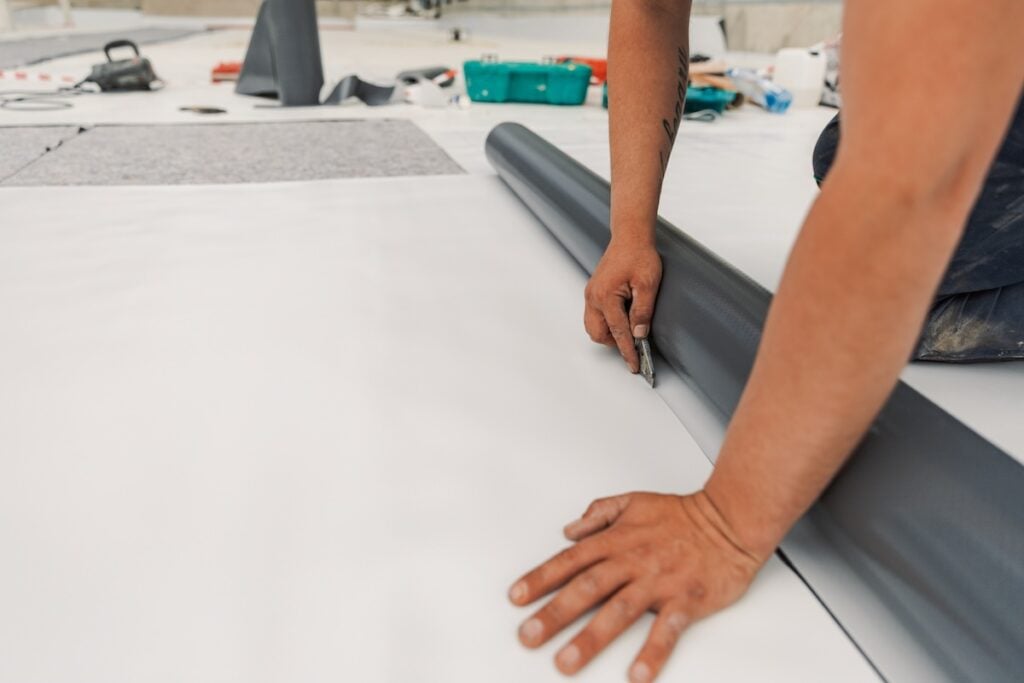
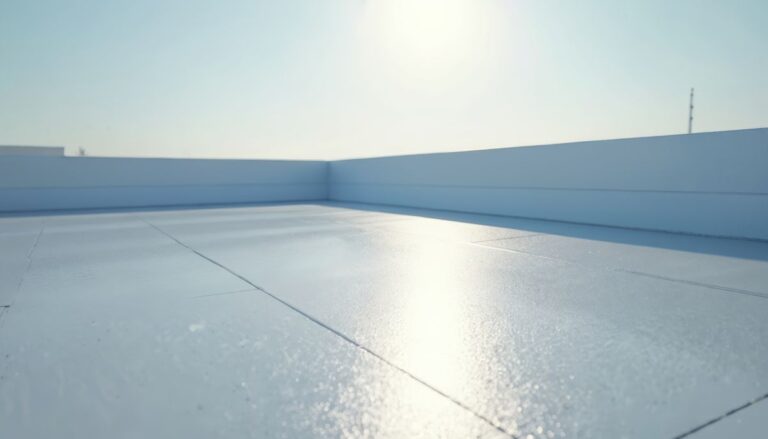
TPO (Thermoplastic Polyolefin) is a single-ply membrane composed of polypropylene and ethylene-propylene rubber. It is known for its bright white color and high energy efficiency, making it a popular option for environmentally conscious businesses. TPO roofs are heat-welded at the seams to create a watertight bond, ensuring protection from leaks and wind uplift.
What Is PVC Roofing?
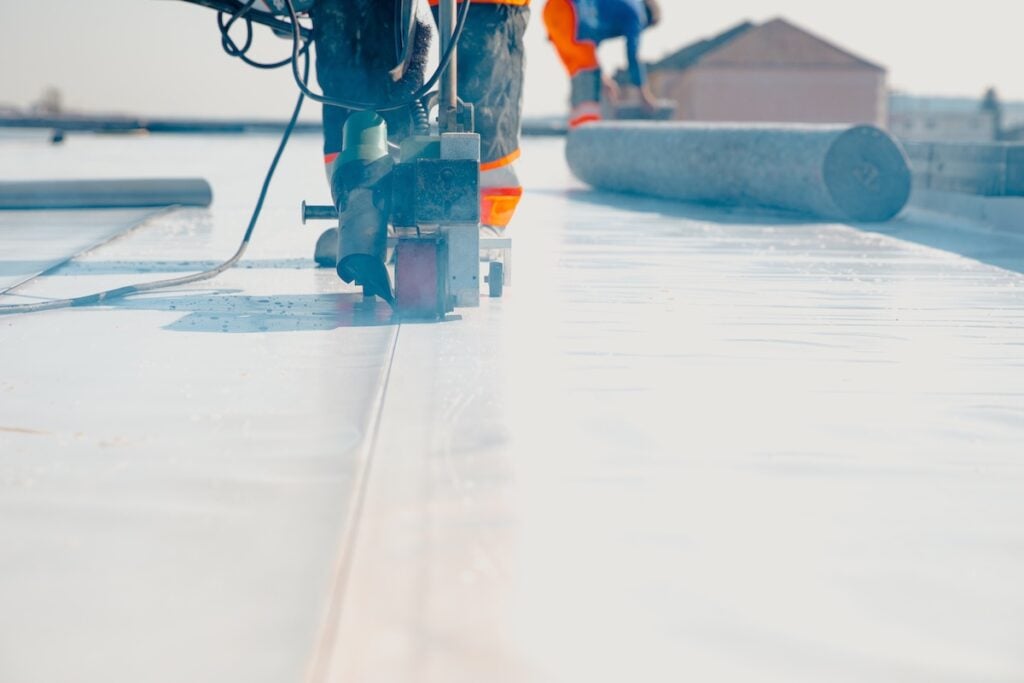
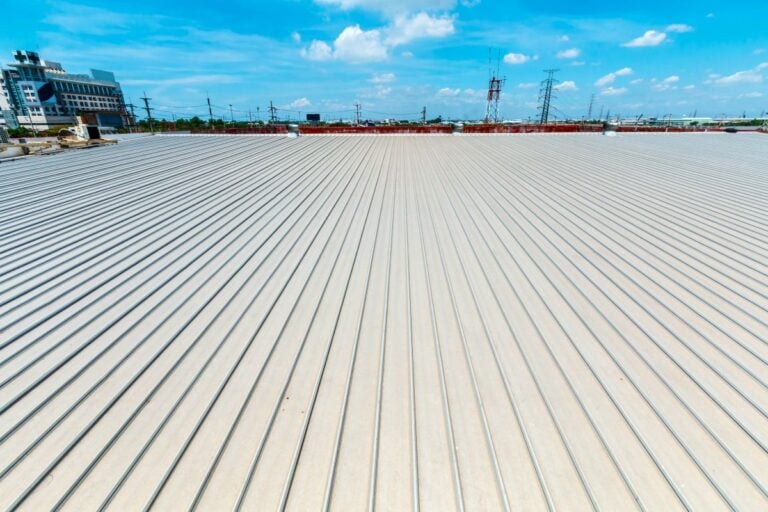
PVC (Polyvinyl Chloride) roofing is a flexible membrane made from two layers of PVC material reinforced with a polyester scrim. This design gives PVC exceptional strength and resistance to chemicals, oils, and punctures. Like TPO, it is heat-welded during installation, providing a smooth and watertight surface ideal for industrial and commercial use.
Lifespan Comparison: TPO vs PVC Roofing
When it comes to longevity, both systems can provide excellent service life, but there are key distinctions that can influence which material lasts longer for specific building types and conditions.
Average Lifespan
On average, a professionally installed PVC roof can last between 25 and 30 years, while a TPO roof typically ranges from 20 to 25 years. The gap in lifespan often results from PVC’s more mature formulation and proven track record. TPO, while increasingly popular, is a newer product that continues to evolve in its manufacturing and performance standards.
Durability in Harsh Environments
PVC generally performs better in environments with chemical exposure, such as restaurants, manufacturing facilities, or warehouses. Its composition resists oils, greases, and industrial byproducts that can cause TPO membranes to degrade faster. In contrast, TPO roofs perform exceptionally well in climates with strong UV exposure, offering superior solar reflectivity and energy efficiency.
Maintenance and Upkeep
- Cleaning requirements: Both systems require routine cleaning to maintain reflectivity and prevent buildup that can lead to damage.
- Inspection frequency: Regular inspections for commercial buildings at least twice per year can extend the life of either system by identifying issues early.
- Repair complexity: PVC’s welds are easier to reheat and repair compared to TPO’s, which can become brittle with age.
Key Factors That Influence Roof Longevity
While material quality plays a major role, several external and operational factors also determine how long your commercial roof will last.
Installation Quality
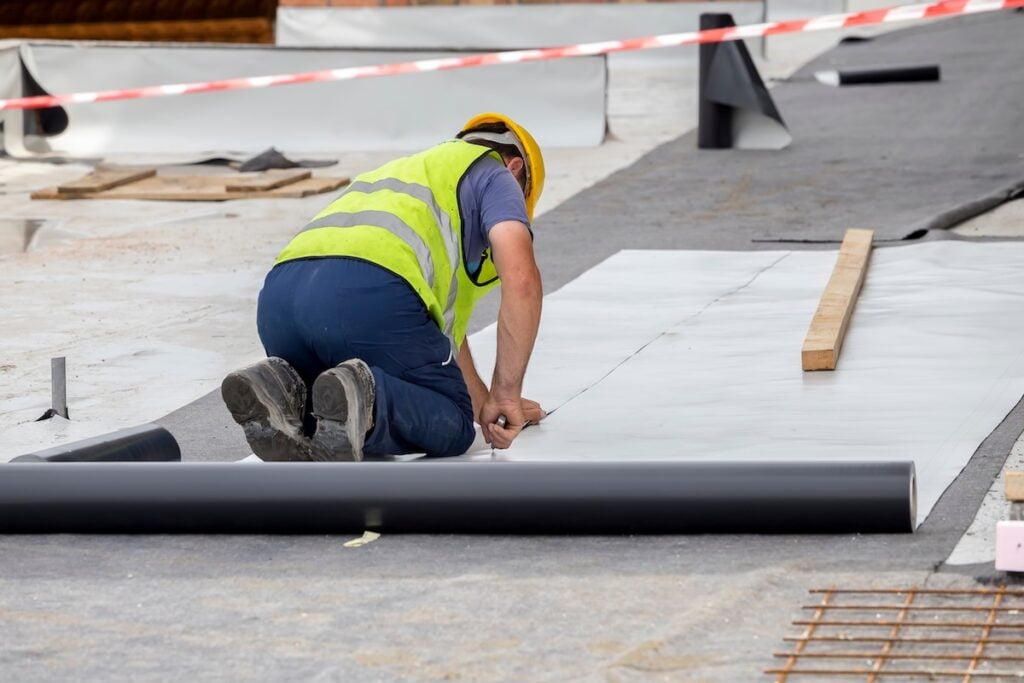
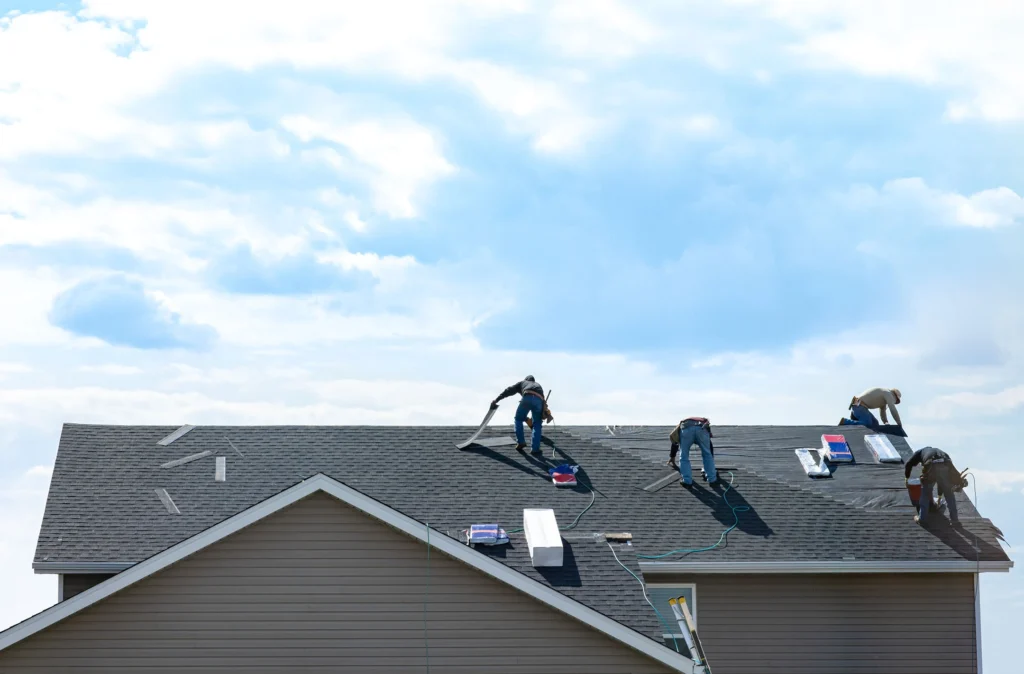
Proper installation is critical. Even the best roofing membrane will fail prematurely if not installed by experienced professionals. Capstone’s team of roofers ensures every TPO and PVC system is installed according to manufacturer specifications to maintain warranty coverage and long-term performance.
Climate Conditions
The local climate has a direct impact on roof lifespan. TPO performs better under high solar exposure, while PVC offers superior resistance to chemical pollutants and industrial exhaust. Understanding your building’s location and surrounding environment helps determine which material is more suitable.
Roof Traffic and Maintenance Practices
Frequent foot traffic, dropped tools, and neglected maintenance can shorten the lifespan of any roof system. Installing walk pads and scheduling routine maintenance with a qualified contractor can significantly extend the roof’s service life.
5 Major Differences Between TPO and PVC Roofing
When comparing TPO vs PVC roofing, it helps to look closely at specific performance categories that affect long-term durability and cost-effectiveness.
- Chemical Resistance: PVC outperforms TPO in environments exposed to oils, greases, or chemical emissions. This makes it ideal for restaurants, factories, and industrial facilities.
- Flexibility and Strength: PVC remains more pliable in cold temperatures and has proven flexibility over decades of use. TPO tends to stiffen over time, particularly in colder climates.
- Energy Efficiency: Both systems reflect UV rays effectively, but TPO typically offers slightly higher solar reflectance values, leading to better cooling performance.
- Seam Strength: Both membranes use hot-air welding for seams, but PVC’s consistent formulation and longer industry history result in a stronger, more reliable seam weld.
- Cost Over Time: TPO is often less expensive to install initially, but PVC’s longer lifespan and superior chemical resistance can make it more cost-effective over time for certain commercial properties.
Environmental Impact and Sustainability
Sustainability has become a critical factor in commercial roofing decisions. Both TPO and PVC contribute positively to energy efficiency and recyclability but in different ways.
Energy Savings
The bright white surfaces of both membranes help reduce heat absorption, lowering cooling costs during warmer months. This can be a significant benefit for large flat-roof structures with high sun exposure.
Recyclability
TPO is 100% recyclable at the end of its service life, making it an excellent choice for property owners focused on sustainability. PVC can also be recycled, but the process is more complex due to the presence of plasticizers and additives in its formulation.
LEED Certification Potential
Both materials can contribute to LEED (Leadership in Energy and Environmental Design) points under categories like energy efficiency, heat island reduction, and sustainable materials, especially when installed by a certified commercial roofing contractor.
Choosing the Right Roofing System for Your Property
Selecting between TPO and PVC depends on multiple considerations, including your building type, location, and operational demands. At Capstone Roofing, we conduct detailed assessments to help property owners choose the material that aligns with long-term performance goals.
When to Choose TPO Roofing
TPO is an excellent option for buildings in regions with high solar exposure and minimal chemical exposure. It offers strong energy efficiency, cost-effectiveness, and a modern appearance. Businesses focused on reducing energy consumption and upfront costs often find TPO to be the better fit.
When to Choose PVC Roofing
PVC is preferred for facilities where chemical resistance, long-term durability, and ease of maintenance are priorities. It performs exceptionally in industrial environments, restaurants, and manufacturing settings. Although it carries a higher upfront cost, its extended lifespan and durability can deliver a better return on investment.
Comparing TPO and EPDM
Beyond TPO and PVC, EPDM (“rubber roofing”) is another popular option. For a full comparison, our look at TPO vs EPDM shows that while TPO excels in reflecting sunlight for warm climates, EPDM is valued for its proven longevity and flexibility. It is often a reliable, budget-conscious choice for properties in colder regions.
Why Professional Installation Matters
The installation process directly affects the lifespan of both TPO and PVC roofs. Proper surface preparation, seam welding, and flashing installation are critical for ensuring a watertight and durable system. Capstone Roofing employs certified technicians who follow manufacturer-approved installation procedures for every commercial project.
- Technical precision: Proper welding temperatures and seam overlaps ensure leak-free performance.
- Quality assurance: Every installation is inspected for consistency and compliance with warranty standards.
- Ongoing support: Routine maintenance programs help extend the lifespan of your investment.
Invest in Long-Term Value With Capstone Roofing
When comparing TPO vs PVC roofing, the best choice ultimately depends on your property’s environment, usage, and budget priorities. PVC roofing generally offers a longer service life and superior chemical resistance, while TPO delivers excellent energy efficiency and affordability. Both are proven, high-performing options for commercial buildings when installed by experienced professionals.
At Capstone Roofing, we understand that commercial roofing is a long-term investment. Our team provides expert assessments, precision installation, and ongoing maintenance to help your roof perform at its best for decades. For reliable guidance and a free estimate on your next TPO or PVC roofing project, contact Capstone Roofing today — we are committed to delivering results that protect your property and your business investment.


4.8 RATING

5.0 RATING

A+ RATING