

What Are Ridge Cap Shingles and Do You Need Them?
Many homeowners hear about ridge cap shingles during a roof replacement but may not realize how essential they are to the overall roofing system. These specialty shingles protect one of the most vulnerable areas of your roof while also improving ventilation and appearance. At Capstone Roofing, we consider ridge cap shingles a vital component of any high-quality roofing installation.
- Function and purpose: Learn what ridge cap shingles are designed to do.
- Benefits and features: Understand how they protect your home and improve ventilation.
- Professional guidance: Discover why proper installation makes all the difference.
What Are Ridge Cap Shingles?
Ridge cap shingles are specially designed roofing shingles installed at the highest point of your roof, along the ridge line. Unlike standard shingles, which lie flat across the roof’s surface, ridge cap shingles are pre-cut or manufactured to bend and cover the peak. Their curved or angled shape creates a protective seal that helps prevent wind uplift, moisture intrusion, and premature deterioration.
These shingles also provide a finished, polished look to the top of your roof, enhancing both structure and style. Because ridges are exposed to more weather stress than other areas, ridge cap shingles are thicker, more durable, and specifically shaped to withstand year-round outdoor conditions.
Why Ridge Cap Shingles Are Important
Ridge cap shingles serve multiple essential functions that help preserve the longevity and performance of your entire roofing system.
Weather Protection
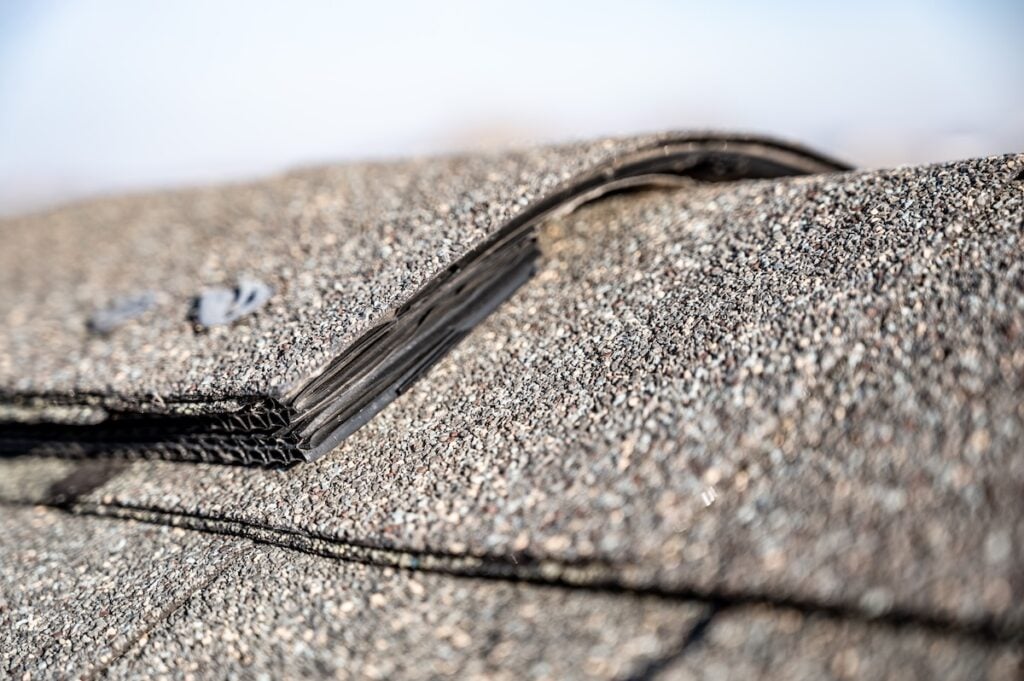
The roof ridge is one of the most exposed areas of your home. Strong winds can lift poorly installed or standard shingles, allowing water to enter beneath the roofing material. Ridge cap shingles are heavier, more flexible, and designed to stay firmly in place during storms, reducing the risk of damage.
Seal Against Moisture
- Leak prevention: Ridge cap shingles create a watertight seal over the ridge where two sloped roof sections meet.
- Protection from snow and rain: Their shape helps channel water away from the roof’s highest point.
- Improved durability: Because they are thicker, ridge cap shingles resist curling, cracking, and blowing off.
Enhanced Roof Ventilation
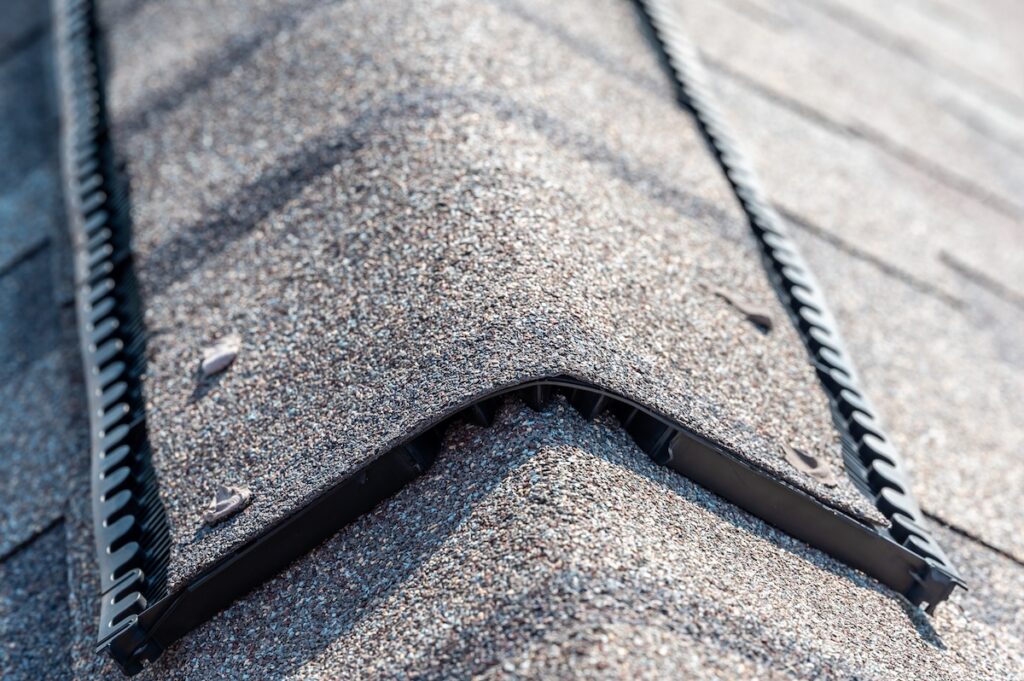
Many modern homes use ridge vents along the peak of the roof to improve airflow in the attic. Ridge cap shingles cover and protect these roof vents without restricting ventilation, helping to regulate attic temperature and reduce moisture buildup.
5 Benefits of Installing Ridge Cap Shingles
Ridge cap shingles deliver several advantages beyond what standard shingles can provide.
- Stronger Weather Resistance: Built to withstand wind uplift, storms, and harsh weather exposure.
- Improved Ventilation: Works seamlessly with ridge vent systems for balanced attic airflow.
- Enhanced Curb Appeal: Adds a clean, finished look that ties the entire roof design together.
- Better Longevity: Thicker and more durable than cut 3-tab shingles used as makeshift ridge caps.
- Warranty Protection: Many manufacturers require ridge cap shingles for full warranty coverage.
How Ridge Cap Shingles Are Installed
Proper installation of ridge cap shingles ensures they perform as intended and protect the most vulnerable part of your roof. Capstone Roofing follows a detailed process that promotes durability and proper ventilation.
Preparing the Ridge
Our expert roofers begin by ensuring the ridge line is properly aligned and clear of debris. If a ridge vent is being installed, the decking is cut to create an air channel before the vent is placed and secured.
Aligning and Overlapping
Ridge cap shingles are installed starting at one end of the roof and moving toward the center. Each shingle overlaps the previous one, creating a continuous seal along the ridge. This overlapping technique is crucial for shedding water and preventing wind uplift.
Securing the Shingles
- Corrosion-resistant nails: Fasteners are placed precisely to avoid exposure and ensure a secure hold.
- Proper spacing: Installers maintain uniform alignment to ensure consistency and performance.
- Sealing edges: A small amount of roofing cement may be used to reinforce the shingles in high-wind regions.
Are Ridge Cap Shingles Always Necessary?
In almost every case, yes—ridge cap shingles are necessary for both performance and longevity. They provide critical reinforcement for the roof’s most vulnerable area and ensure that ridge vent systems function properly.
When Ridge Cap Shingles Are Required
- Homes with ridge vents: These shingles are essential for protecting the vent opening.
- Architectural or dimensional roofing: Manufacturers design matching ridge caps to complement thicker shingles.
- Areas with frequent wind or storms: Ridge caps help prevent shingle blow-off and water intrusion.
When Alternatives Are Not Recommended
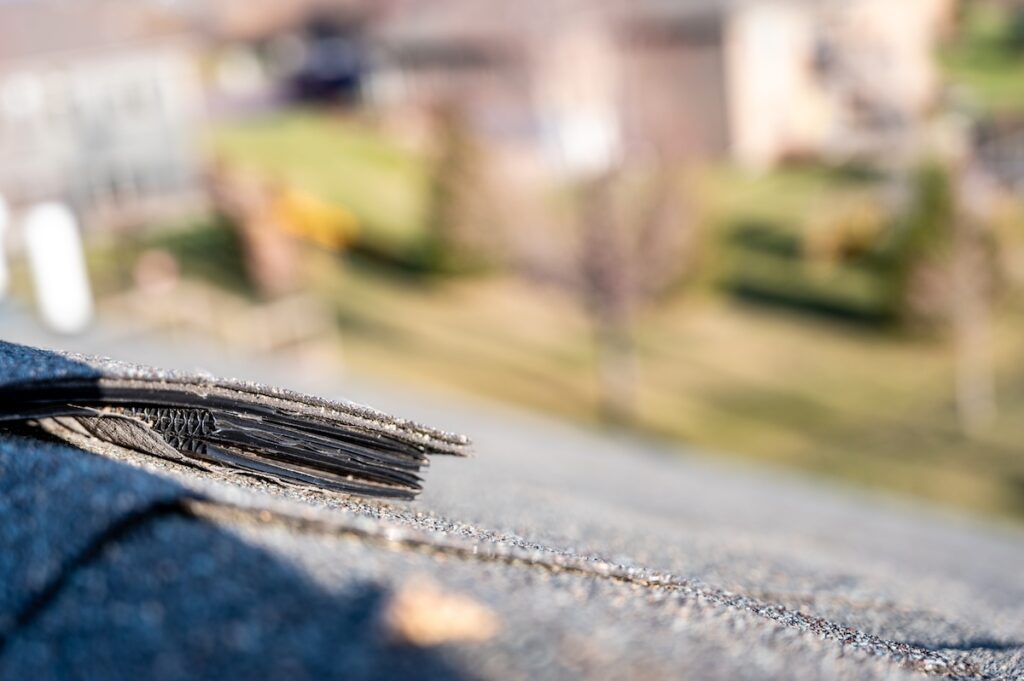
Some installers still use cut 3-tab shingles as ridge caps to save time or money. However, this method is outdated and less durable. Pre-manufactured ridge cap shingles offer superior flexibility, strength, and manufacturer-approved compatibility with modern roofing systems.
Choosing the Right Ridge Cap Shingles
Selecting the correct ridge caps ensures your roof performs at its best. Capstone Roofing helps homeowners choose ridge cap shingles that match their roof’s material, color, and profile for a seamless look.
What We Consider During Selection
- Shingle style: Ridge caps should match architectural or 3-tab shingles.
- Material compatibility: Caps must be designed for the same product line as your roof shingles.
- Ventilation needs: Ridge caps should complement ridge vent systems to ensure balanced airflow.
How Ridge Cap Shingles Contribute to Long-Term Roof Health
Ridge cap shingles play a major role in the overall health of your roofing system. Without them, the roof becomes more vulnerable to water intrusion, mold growth, ventilation problems, and premature wear. Their durability helps protect the entire home from moisture-related damage and structural issues.
Protect Your Roof With Proper Ridge Cap Installation
Knowing the purpose and benefits of ridge cap shingles helps homeowners understand why they are a crucial part of any roofing system. From improved ventilation to superior weather protection, ridge cap shingles play a vital role in keeping your home safe, dry, and structurally sound.
While understanding the functionality of every roofing component, from the underlayment to the ridge cap, is essential for a high-performing system, it is equally important to understand the financial scope of the entire project. For homeowners planning their investment, a complete breakdown of material, labor, and other associated factors is necessary. To get a clear picture of the overall budget and expected final price for your roofing project, consult our full guide on shingle roof cost factors.
At Capstone Roofing, we take pride in installing complete roofing systems that deliver long-lasting value. Whether you’re repairing, replacing, or upgrading your roof, our team ensures every component is installed to the highest standard. Contact Capstone Roofing today for a free roof assessment and expert guidance on ridge cap shingles and full roof protection.


4.8 RATING

5.0 RATING

A+ RATING