

Commercial Roof Replacement (Materials, Process & More)
Planning a commercial roof replacement involves more than just swapping out old materials for new ones. It’s a strategic investment that affects energy efficiency, building operations, and long-term maintenance budgets. Whether you’re managing an office building, warehouse, or retail center, understanding your options and the process is essential for making informed decisions.
- Minimizes business disruption: Planning ahead helps avoid downtime and ensures tenant satisfaction.
- Improves long-term efficiency: The right materials can reduce maintenance costs and energy use.
- Protects property assets: A properly installed roof safeguards HVAC, equipment, and inventory.
This guide outlines the most common roofing materials, the replacement process, and key factors to consider when it’s time to upgrade your commercial roof.
When Is It Time to Replace a Commercial Roof?
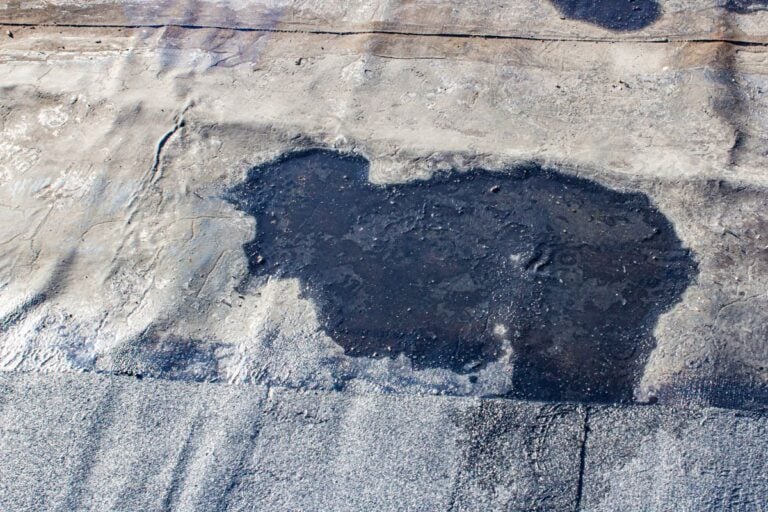
Unlike residential roofs, commercial systems often cover thousands of square feet and may support heavy equipment or drainage systems. A few signs that indicate it may be time for replacement include widespread leaks, visible deterioration, rising energy bills, and frequent repair needs.
Scheduling a routine commercial roof inspection is the most reliable method for identifying these subtle warning signs before they escalate into facility-wide leaks. An inspection can help determine whether a repair or full replacement is more cost-effective. If the roof is near the end of its expected lifespan or shows signs of structural failure, replacement may be the better long-term investment.
Before committing to a massive capital expenditure, having a qualified contractor to verify the extent of the damage ensures your budget is being allocated effectively.
Popular Materials for Commercial Roof Replacement
Choosing the right roofing system depends on your building type, climate, and budget. Here are the most common materials used in commercial roof replacements today.
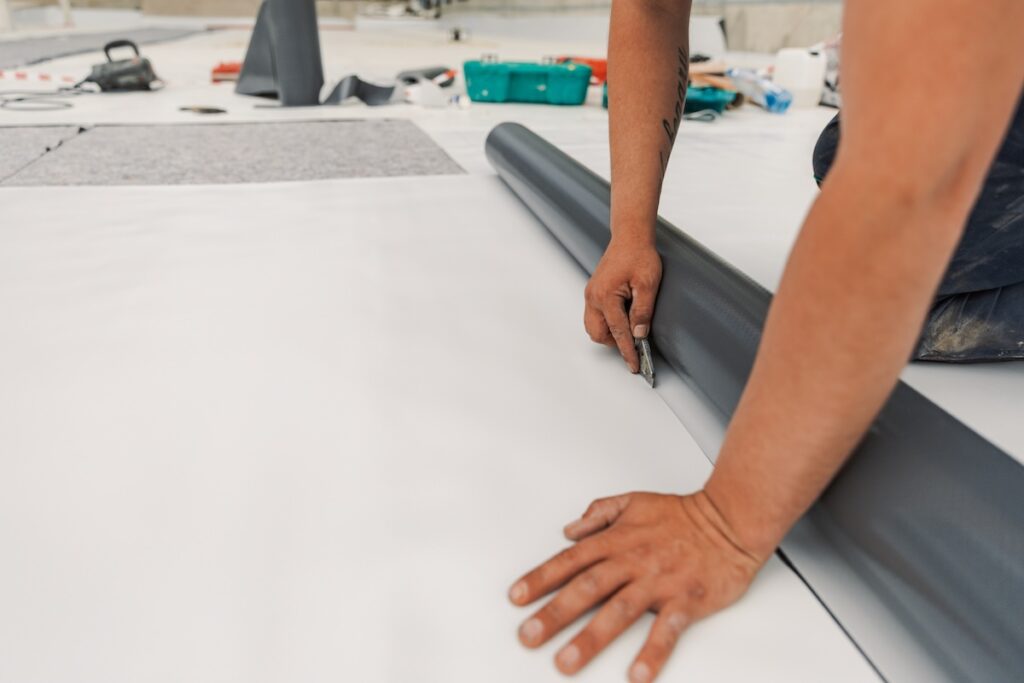
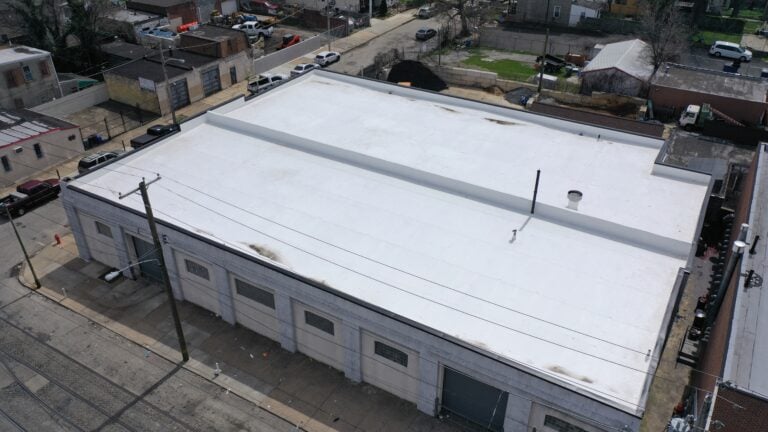
- TPO (Thermoplastic Polyolefin): This white, reflective single-ply membrane is popular for energy efficiency and UV resistance.
- EPDM (Ethylene Propylene Diene Monomer): Known as rubber roofing, EPDM is durable, cost-effective, and ideal for flat roofs.
- PVC (Polyvinyl Chloride): PVC roofs are chemically resistant and ideal for buildings with grease or oil exposure, such as restaurants.
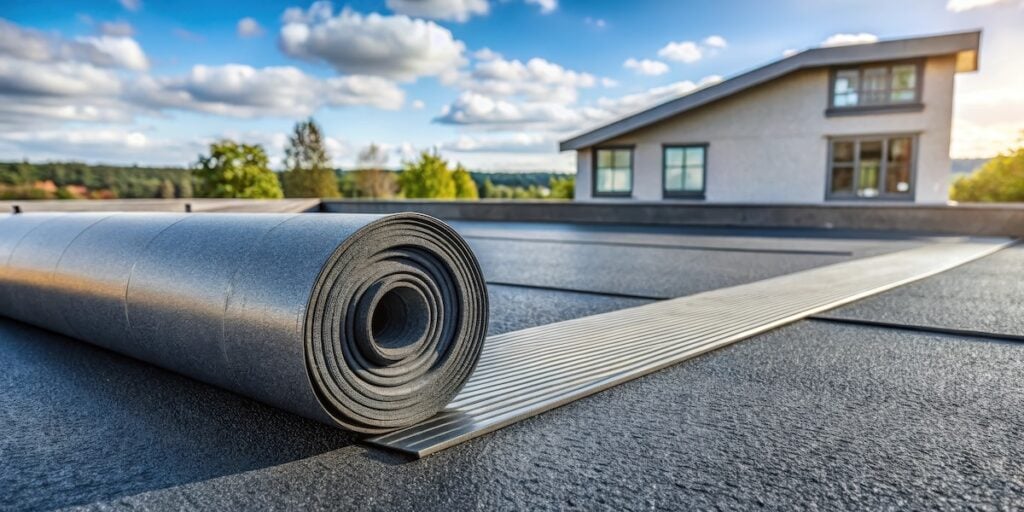
- Modified Bitumen: A multi-layered asphalt-based material that offers excellent waterproofing and puncture resistance.
- Metal Roofing: A longer-lasting option for sloped commercial roofs that offers durability and minimal maintenance.
- Built-Up Roofing (BUR): A traditional system made of layered asphalt and fabric, typically finished with gravel for added protection.
Each material has pros and cons related to lifespan, cost, maintenance, and installation methods. A qualified roofing contractor can help identify which system is best for your specific building.
What to Expect During the Roof Replacement Process
Commercial roof replacement is typically done in phases to minimize disruption. The exact steps may vary based on the material used, the condition of the existing roof, and the building’s layout.
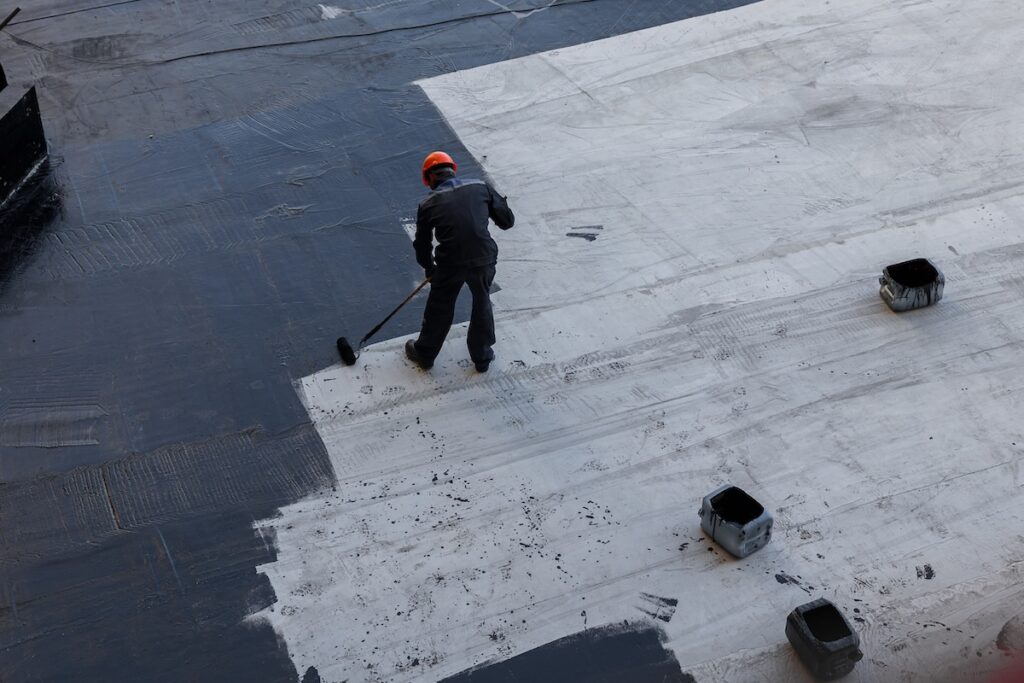
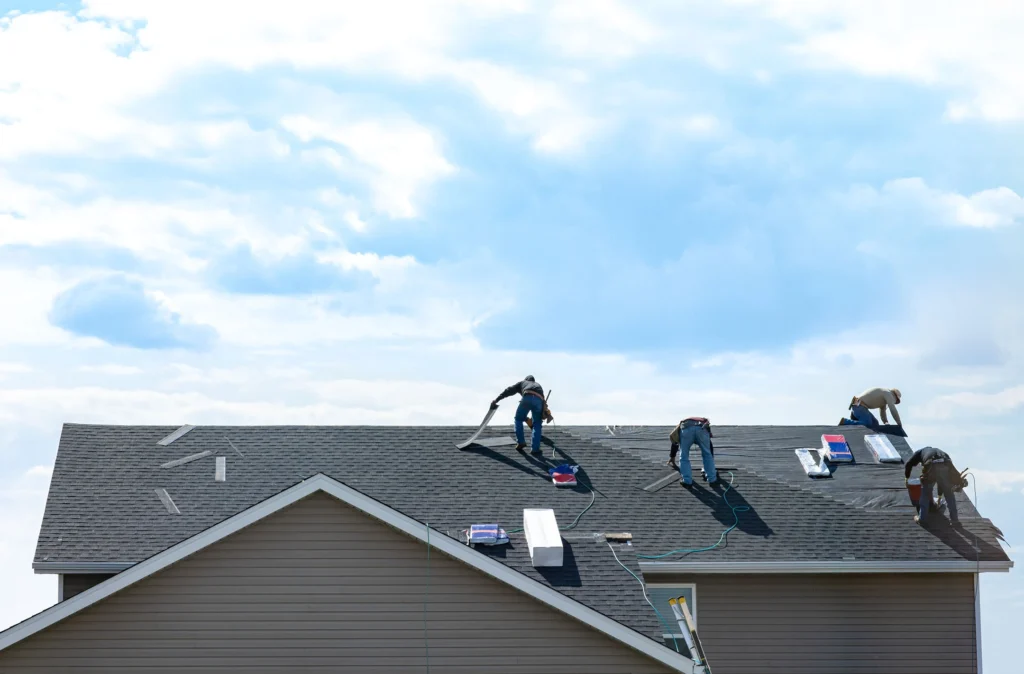
Most projects begin with a thorough inspection and removal of old roofing layers. The decking is examined for damage, then a new membrane, insulation, and flashing are installed. Drainage and edge details are completed last. Weather delays, material availability, and permitting can affect the project timeline, so clear communication is important throughout.
Partnering with a dedicated professional roofer at Capstone Roofing guarantees that these logistical challenges are handled smoothly without interrupting your daily business operations.
6 Key Considerations for a Successful Commercial Roof Replacement
From budgeting to warranties, these six factors can make or break the success of your roofing project.
1. Building Use and Occupancy
- Noise and access planning: Roofing work can impact tenants, customers, or employees.
- Safety coordination: Protect entrances, parking areas, and HVAC systems during work.
- Interior sensitivity: Coordinate with building systems like fire alarms or ventilation.
2. Roofing System Compatibility
- Structural load capacity: Ensure the building can support the new system’s weight.
- Sloped vs. flat design: Some materials work better on certain roof types.
- Code requirements: Local building codes may influence system selection.
Reviewing the structural requirements of different commercial roof types will ensure the facility’s framework can safely support the added weight of the new membrane and insulation layers.
3. Budget and Lifecycle Cost
- Installation vs. long-term savings: A more expensive material may require fewer repairs.
- Energy performance: Reflective or insulated systems may lower HVAC expenses.
- Insurance premiums: Some systems qualify for discounts due to fire or wind resistance.
4. Drainage and Water Management
- Proper slope design: Prevents ponding, which can shorten roof life.
- Gutters and scuppers: These must be sized correctly and kept clear.
- Tapered insulation: Can be used to improve drainage on flat roofs.
5. Warranty and Maintenance Plan
- Manufacturer warranties: Coverage ranges from 10 to 30 years depending on system.
- Workmanship warranties: Protects against installation defects.
- Maintenance agreements: Routine inspections preserve the warranty and catch issues early.
6. Timing and Weather
- Schedule strategically: Plan work during dry, mild seasons when possible.
- Allow for delays: Weather, inspections, or supply chain issues may affect timelines.
- Temporary protection: Ensure vulnerable areas are covered during overnight work.
How Roof Replacement Impacts Building Performance
A new roof can do more than stop leaks. Modern commercial systems can improve insulation, reduce heat gain, and help maintain more consistent indoor temperatures. This leads to more efficient HVAC performance and potentially lower energy bills.
In some cases, switching to a reflective or cool roofing material can help a property meet LEED or ENERGY STAR goals. Property owners may also see a boost in asset value due to improved appearance, reduced maintenance needs, and extended warranty coverage.
Importance of Working With a Qualified Roofing Contractor
Commercial roof replacement is not a small undertaking. It requires specialized knowledge of roofing systems, safety procedures, and building codes. Working with an experienced contractor helps ensure the project is completed on time, within budget, and according to your building’s needs.
Capstone Roofing Inc. takes a detailed, consultative approach to every project. We understand the challenges commercial property owners face and work to minimize disruption while delivering a reliable, long-term roofing solution.
Make a Smart Investment in Your Building
A well-planned commercial roof replacement can protect your property, lower operational costs, and deliver peace of mind for years to come. From selecting the right material to coordinating a seamless installation, every step plays a role in the success of your project.
Contact Capstone Roofing Inc. today to schedule a free inspection and learn how we can help protect your commercial property with the right roofing solution.


4.8 RATING

5.0 RATING

A+ RATING