

Skylight Installation Cost: What Affects Price in 2026
The average skylight installation cost in 2026 continues to vary based on a number of factors, including skylight type, roof structure, and labor complexity. Whether you’re adding natural light to a dark hallway or upgrading your attic space, understanding what contributes to the final price tag can help you plan your project with confidence.
- Project scope matters: Size, placement, and roof pitch affect both materials and labor.
- Different skylight types: Fixed, vented, or tubular skylights each come with unique costs.
- Long-term value: Energy efficiency, resale appeal, and lighting benefits help offset installation costs.
Skylights have become a popular feature in modern homes, offering a natural lighting solution that can dramatically change the feel of a room. While the benefits are clear, the cost to install a skylight can be surprising to some homeowners, especially when structural work or custom features are involved. Knowing what influences pricing ensures you’re not caught off guard during the planning or installation process.
Average Skylight Costs in 2026
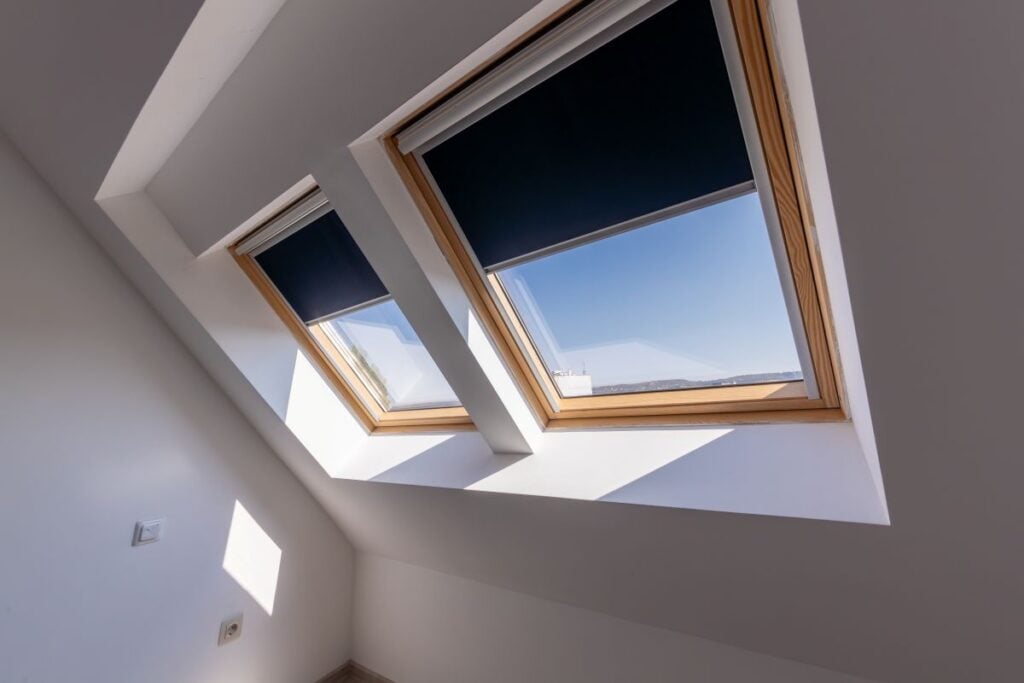
While costs will always depend on project specifics, most skylight installations in 2026 range from $1,200 to $3,900 per unit installed. This estimate includes the skylight itself, flashing kits, sealing materials, and labor. High-end or custom projects can exceed $5,000, especially for larger units or installations on steep or complex roofs.
It’s also important to budget for potential additional work such as drywall, painting, and electrical wiring for motorized blinds or venting systems. A basic skylight might seem straightforward, but the total investment goes beyond the window itself.
Why Skylight Costs Vary
No two homes are alike, and skylight installations often require custom adjustments based on roof structure, attic space, and ceiling finish. Even a simple upgrade can become more involved if the roof framing needs modification or if additional waterproofing is necessary.
Other variables like location, seasonal labor rates, and permit requirements can influence costs as well. The more access and structural support needed, the higher the overall price tends to climb. Understanding these variables ahead of time helps you make informed budgeting decisions.
Furthermore, procuring high-end glazing that actually complies with strict manufacturer warranties can be a logistical nightmare for the average homeowner, making the exclusive vendor connections of a professional roofer an absolute game-changer for sourcing premium materials.
6 Key Factors That Influence Skylight Installation Cost
Each of the following elements can affect your total cost, sometimes significantly. Understanding these ahead of time helps set realistic expectations for your budget and timeline.
1. Type of Skylight
- Fixed skylights: These do not open and are generally the most affordable option.
- Vented skylights: Operated manually or electronically to promote airflow, they cost more due to added mechanics.
- Tubular skylights: Smaller and ideal for hallways or closets, they typically fall in the mid-range for cost.
- Custom designs: Uniquely shaped or oversized skylights require more planning and special-order materials, which increases total project costs.
2. Roof Pitch and Material
- Steeper roofs: These require more safety equipment and time, which increases labor charges.
- Material matters: Tile and metal roofs are harder to cut and seal than asphalt shingles.
- Structural complexity: Rafters, beams, and trusses may need to be adjusted, adding framing time.
- Underlayment concerns: Additional waterproofing layers may be necessary, especially on low-slope or flat roofs.
Because various roof types dictate exactly how the framing can be modified, the fundamental shape of your house will heavily influence the total hours needed to complete the job.
3. Interior Finishing Work
- Drywall and paint: Most installations require interior finishing to create a clean ceiling opening.
- Light wells: Deep or angled ceilings require more work to channel light through the attic.
- Trim and casing: Decorative trim or moldings add both visual appeal and cost.
- Ceiling height: Tall ceilings can increase ladder time and safety setup, which adds labor cost.
4. Flashing and Waterproofing
- Proper flashing kits: Essential for leak prevention, especially on low-slope roofs.
- Ice and water shields: In colder regions, added waterproofing is often required.
- Quality installation: Cutting corners on waterproofing can lead to costly roof leaks later.
- Code compliance: Some jurisdictions require specific flashing materials to meet weatherproofing standards.
Failing to properly seal these massive penetrations is one of the most common reasons homeowners suddenly face an unexpected roof leak repair cost shortly after the first major rainstorm.
5. Skylight Features and Energy Efficiency
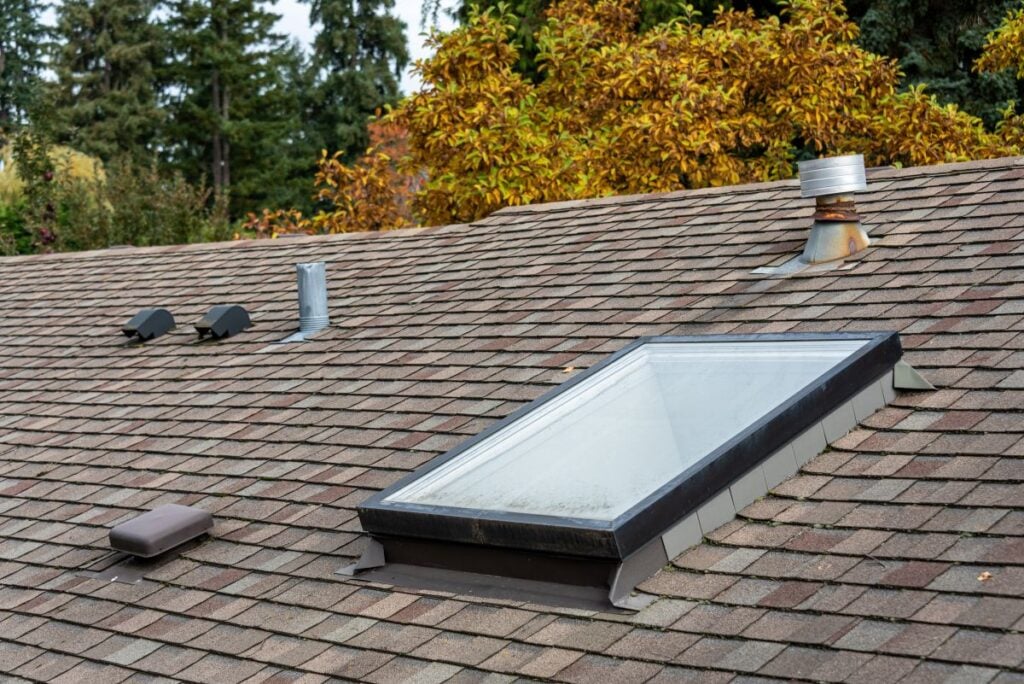
- Glazing options: Double- or triple-pane glass improves roof insulation but increases price.
- UV coatings and tinting: Help reduce heat gain and glare in sunny climates.
- Motorized blinds or sensors: Add convenience but require electrical wiring and setup.
- Smart controls: Some skylights now integrate with home automation systems, which may raise both equipment and installation costs.
6. Labor Rates and Permits
- Regional labor costs: Prices vary depending on the city and demand for roofing or remodeling work.
- Licensed contractors: Hiring experienced professionals may cost more upfront but helps avoid future problems.
- Permitting fees: Some municipalities require permits for roof penetrations or framing alterations.
- Inspection coordination: In areas with strict building codes, multiple site visits may be needed.
Navigating this labyrinth of municipal paperwork and satisfying pushy Homeowner Association boards is exactly when having a qualified contractor manage the project’s administrative logistics saves you from endless scheduling headaches.
Are Skylights Worth the Cost?
Skylights offer more than just aesthetics. They provide natural daylight, reduce the need for artificial lighting, and improve ventilation when operable. Over time, these benefits may lower your energy bills and increase home resale appeal.
Many homeowners also find that skylights enhance well-being by bringing more natural light into spaces that otherwise rely on artificial illumination. Brightening up hallways, stairwells, and bathrooms not only makes them feel more open but also helps eliminate dark spots that may go unused or underappreciated.
For anyone looking to modernize their home, skylights can be a simple yet transformative upgrade. Their impact on daily comfort often makes them a worthwhile investment despite the upfront cost.
Planning Ahead for a Smooth Installation
The best way to control skylight installation cost is to plan ahead. Know your goals, choose quality materials, and work with a qualified contractor who understands roofing systems. This helps ensure that the skylight integrates properly with your existing roof and doesn’t create unintended leaks or heat loss.
Timing your project for spring or fall — when roofing contractors are less busy — may also lead to better pricing or faster turnaround times. Taking weather and scheduling into account can help avoid delays or rushed installations.
Know What Impacts Skylight Installation Cost
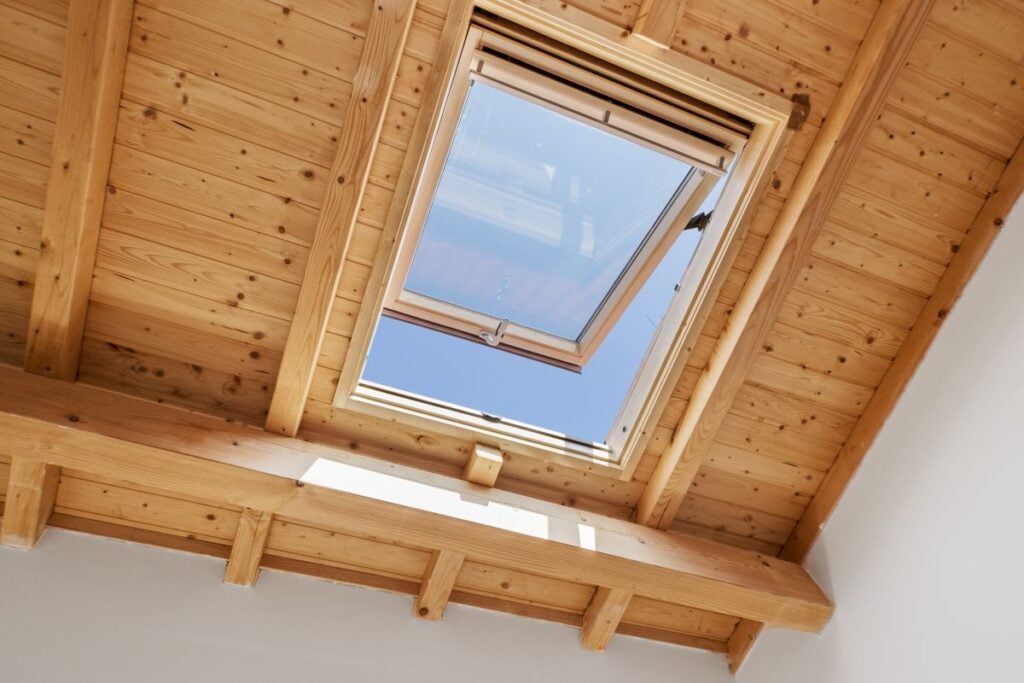
Understanding what affects skylight installation cost in 2026 helps you plan with confidence and avoid unexpected expenses. From the type of skylight to roof pitch, finishing details, and waterproofing, every decision impacts both upfront cost and long-term value.
Capstone Roofing Inc. is here to help you stay informed about roofing upgrades that improve comfort, efficiency, and home performance. If you’re considering changes to your roofing system or want an expert opinion before beginning a project, reach out today to schedule a free inspection.


4.8 RATING

5.0 RATING

A+ RATING