

Curling Shingles: 4 Causes, Fixes and When to Replace
If you’ve noticed curling shingles on your roof, it may be an early warning sign that something isn’t functioning properly. While some minor curling can occur as shingles age, pronounced lifting or warping often indicates underlying issues that need attention.
- Early warning sign: Curling often points to moisture, ventilation, or aging problems.
- Impacts roof performance: Lifted shingles are more vulnerable to wind and leaks.
- Timely action matters: Addressing the cause early can prevent full roof replacement.
Understanding what causes shingles to curl, how to fix the issue, and when replacement is necessary can help protect your home and avoid costly damage.
What Are Curling Shingles?
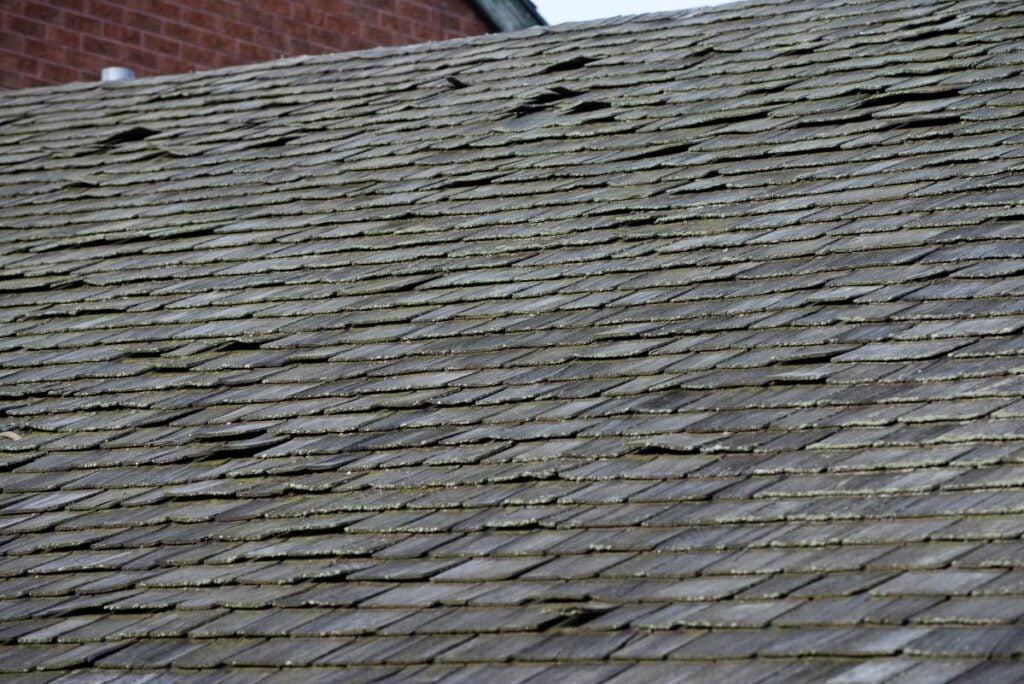
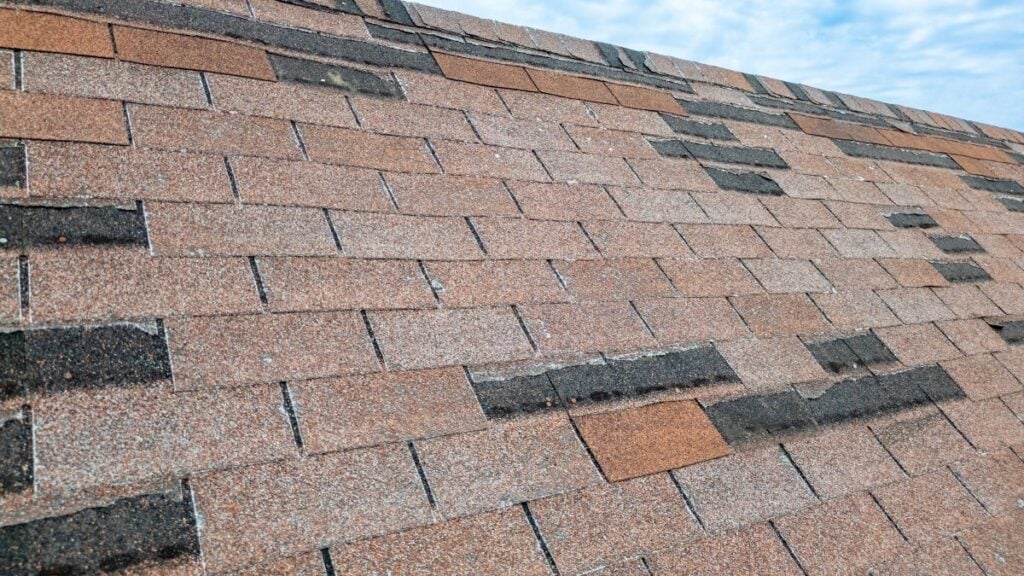
Curling shingles occur when the edges or corners of asphalt shingles begin to lift, warp, or cup upward. This can appear as clawing, where the edges curl downward, or cupping, where the middle rises and the edges remain flat. Both patterns indicate stress within the roofing system.
Shingles are designed to lie flat and create a tight seal against wind and water. When they lose that shape, their ability to shed water effectively is compromised. Over time, curling shingles can lead to leaks, structural damage, and reduced energy efficiency.
Why Curling Shingles Should Not Be Ignored
While a few slightly raised edges might not seem urgent, curling tends to spread once it begins. The affected shingles become more susceptible to wind uplift, which increases the risk of blow-offs during storms. Water can also seep underneath lifted areas, saturating the underlayment and decking below.
If left unchecked, curling shingles may shorten the overall lifespan of your roof. What begins as a small cosmetic issue can evolve into widespread deterioration that requires significant repairs or full replacement.
4 Common Causes of Curling Shingles
Several factors contribute to curling shingles. Identifying the root cause is essential before deciding whether a repair or full roof replacement is necessary.
1. Poor Attic Ventilation
- Heat buildup: Excess attic heat causes shingles to dry out and warp prematurely.
- Moisture accumulation: Trapped humidity weakens shingle structure from below.
- Thermal cycling: Repeated expansion and contraction accelerates aging.
When attic ventilation is inadequate, hot air has nowhere to escape. This leads to higher surface temperatures on the roof and increased stress on asphalt materials. Over time, this constant heat exposure causes shingles to lose flexibility and curl.
2. Aging Roofing Materials
- Natural wear and tear: Asphalt shingles lose oils and flexibility as they age.
- Granule loss: Protective granules erode over time, exposing the asphalt base.
- End-of-life signs: Curling often signals that the roof is nearing replacement age.
Most asphalt shingle roofs last between 15 and 30 years depending on quality and climate. As shingles age, they become brittle and more prone to curling. If your roof is over 20 years old and showing widespread curling, replacement may be the most practical solution.
3. Improper Installation
- Incorrect nailing patterns: Nails placed too high or too low can cause instability.
- Overdriven fasteners: Nails driven too tightly can weaken the shingle structure.
- Inadequate underlayment: Poor substrate preparation affects long-term performance.
Improper installation often leads to premature curling. If shingles were not installed according to manufacturer guidelines, they may fail earlier than expected. In some cases, localized repairs may address installation issues, but widespread problems typically require replacement.
4. Moisture and Water Damage
- Leaking flashing: Water intrusion from roof penetrations affects surrounding shingles.
- Decking problems: Damp or rotting roof decking can cause uneven shingle support.
- Ice dams: Water trapped under shingles during freeze-thaw cycles leads to warping.
Moisture is one of the most destructive forces in roofing systems. When water penetrates beneath the surface, it weakens structural components and causes visible deformation in shingles above.
Fixes for Curling Shingles
The appropriate fix depends on the extent and cause of the curling. In early stages, limited repairs may restore protection without requiring full replacement.
If only a small area is affected, replacing individual shingles may be possible. However, this approach works best when the rest of the roof is in good condition. It’s important to ensure that ventilation issues or moisture problems are addressed at the same time to prevent recurrence.
In cases where attic ventilation is the primary cause, improving airflow through ridge vents, soffit vents, or attic fans may help slow further damage. Addressing underlying heat or moisture issues can extend the life of remaining shingles.
When curling is widespread or the roof is nearing the end of its lifespan, full replacement is often the most cost-effective long-term solution. Attempting to patch an aging roof may only delay inevitable replacement and increase overall expenses.
When to Replace Instead of Repair
Repairing curling shingles makes sense when:
- The roof is relatively new
- The affected area is small
- There are no structural or ventilation problems
Replacement becomes the better option when:
- Curling is visible across large sections of the roof
- Shingles are brittle or cracking
- The roof is over 20 years old
- Leaks or decking damage are present
A professional inspection can determine whether repair is viable or if replacement will provide better long-term value.
How to Prevent Curling Shingles in the Future
Prevention starts with proper installation and ventilation. Ensuring your attic has balanced intake and exhaust ventilation helps regulate temperature and moisture levels. Routine inspections, especially after severe weather, allow small problems to be corrected before they spread.
Keeping gutters clean and maintaining flashing also reduces moisture-related stress on shingles. High-quality roofing materials installed by experienced professionals significantly lower the risk of premature curling.
Don’t Ignore Curling Shingles
Curling shingles are more than a cosmetic issue. They are often a sign of aging, poor ventilation, installation errors, or moisture intrusion. Addressing the problem early can protect your home from leaks, structural damage, and rising repair costs.
Capstone Roofing Inc. is here to help you determine whether repair or replacement is the right choice for your roof. Contact us today to schedule a free inspection and get expert guidance on restoring your roof’s performance and durability.


4.8 RATING

5.0 RATING

A+ RATING