

Gutter Installation: 5 Tips for Better Drainage
Proper gutter installation is one of the most important steps in protecting your home from water damage. While gutters may seem like a simple feature, their design, placement, and slope all determine how effectively they move water away from your roof and foundation.
- Prevents foundation damage: Directs water safely away from your home’s base.
- Protects siding and fascia: Reduces staining, rot, and long-term deterioration.
- Improves roof performance: Supports proper drainage during heavy rain.
When gutters are installed correctly, they work quietly in the background to protect your entire property. When they’re not, problems can develop quickly. Below are five essential tips that help ensure better drainage and long-term performance.
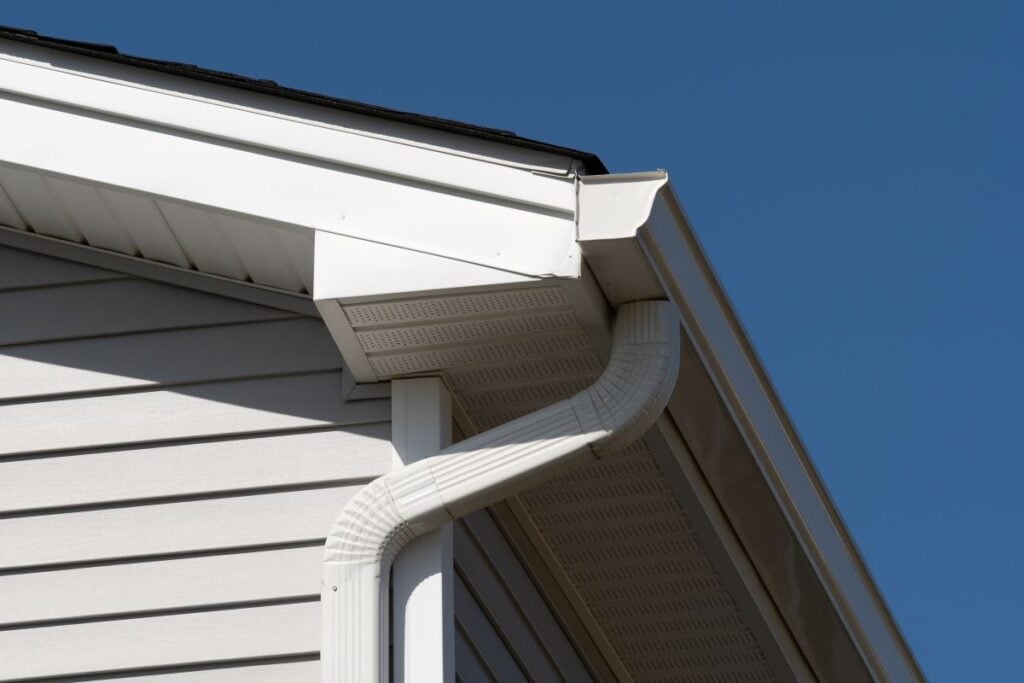
Why Proper Gutter Installation Matters
Gutters are designed to collect rainwater from your roof and channel it through downspouts away from your home. Without them, water would run directly off the roof edge, saturating soil around the foundation, eroding landscaping, and potentially leading to basement leaks.
Improper installation can result in water pooling, overflow, sagging gutters, and separation from the fascia. Even a small miscalculation in slope or placement can compromise the system’s ability to function effectively. Over time, this can lead to costly structural damage that could have been prevented with careful planning and professional installation.
Common Gutter Installation Mistakes
Before diving into the tips, it’s helpful to understand common errors that can reduce drainage efficiency:
- Incorrect slope: Gutters must be angled slightly toward the downspouts to allow gravity to move water properly.
- Insufficient downspouts: Too few downspouts cause overflow during heavy rain.
- Improper fastening: Loose hangers can lead to sagging and standing water.
- Misaligned gutters: Poor positioning can allow water to drip behind the fascia.
Avoiding these mistakes is essential for long-term performance.
5 Tips for Better Drainage During Gutter Installation
Proper planning during installation makes the difference between a gutter system that lasts decades and one that constantly needs repairs. Small adjustments in slope, spacing, and alignment have a major impact on how efficiently water moves through the system. The following five tips highlight the most important factors that contribute to efficient water flow, reduced maintenance, and reliable long-term performance.
1. Ensure Proper Slope
One of the most important elements of gutter installation is achieving the correct pitch. Gutters are not installed completely level. Instead, they must have a slight downward slope toward the downspouts to allow gravity to move water effectively. Even a small miscalculation can cause standing water, which accelerates corrosion and increases debris buildup.
- Recommended pitch: Gutters should slope about one quarter inch for every 10 feet to encourage steady water flow.
- Encourage flow: A slight incline prevents standing water that can attract debris and pests.
- Prevent corrosion: Proper drainage reduces rust formation and extends the life of metal components.
Without the correct slope, water can pool inside the gutter channel. Over time, that standing water adds weight, increases sagging, and weakens fasteners, leading to long-term deterioration.
2. Choose the Right Gutter Size
Not all homes require the same gutter size. Roof surface area, pitch, and local rainfall levels all determine how much water your system needs to manage during a storm. Undersized gutters may work during light rain but overflow quickly during heavy downpours.
- Standard 5-inch gutters: Suitable for most average-sized residential roofs with moderate rainfall.
- 6-inch gutters: Better for larger roofs, steeper slopes, or regions with intense rainstorms.
- Match downspouts: Proper downspout sizing ensures water exits quickly and does not back up.
Selecting the right size ensures the system can handle peak rainfall without spilling over the edges. Proper sizing also reduces strain on seams and joints during extreme weather.
3. Install Adequate Downspouts
Downspouts are just as important as the gutters themselves. Even perfectly installed gutters will fail if there are not enough outlets to move water away efficiently. Water must have a clear, unobstructed path from the roof edge to a safe discharge point away from the foundation.
- Spacing matters: Typically one downspout for every 30 to 40 feet of gutter helps prevent overload.
- Direct water away: Downspouts should extend several feet from the foundation or connect to underground drainage.
- Avoid bottlenecks: Too few outlets increase overflow risk during heavy rainfall.
Proper downspout placement reduces the likelihood of water pooling near your home’s base. This helps protect foundations, basements, and landscaping from erosion and moisture damage.
4. Secure Gutters with Strong Hangers
Support hardware plays a major role in long-term gutter performance. Gutters must be securely fastened to the fascia board to withstand rain, wind, and seasonal weight changes from snow or ice. Weak or improperly spaced hangers can lead to sagging sections that trap water.
- Use hidden hangers: These provide stronger support and a cleaner appearance from the ground.
- Space correctly: Hangers should be placed every 2 to 3 feet for maximum stability.
- Reinforce corners: Heavier sections and high-flow areas may require additional support.
Proper support prevents sagging and maintains consistent slope across the entire system. This ensures water flows smoothly without pooling in low spots.
5. Seal and Align Properly
Precision during alignment ensures that rainwater enters the gutter channel instead of slipping behind it. Gutters should be positioned slightly below the roof edge so water flows directly into them during storms. Proper sealing at joints and end caps prevents slow leaks that can damage fascia boards over time.
- Check seams: Ensure joints are sealed tightly to prevent dripping or separation.
- Align with roof edge: Gutters should sit slightly below the shingle edge to capture runoff efficiently.
- Test water flow: Run water through the system after installation to confirm proper drainage.
Careful alignment ensures that water flows directly into the gutter rather than behind it. A final inspection and water test help confirm the system performs exactly as intended before the job is complete.
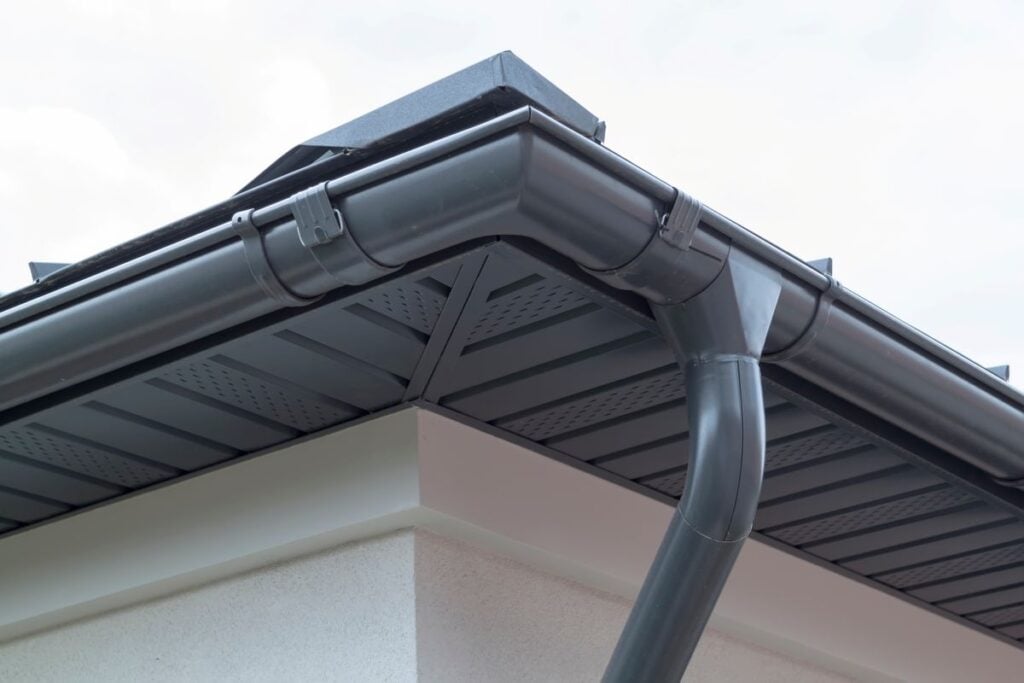
Seamless vs. Sectional Gutters
When considering gutter installation, homeowners often choose between seamless and sectional systems.
- Seamless gutters: Custom-cut on site, fewer joints, reduced leak risk.
- Sectional gutters: Pre-cut pieces joined together, more affordable but more seams.
- Maintenance differences: Seamless systems typically require less upkeep.
Seamless gutters are generally preferred for long-term performance because fewer seams mean fewer opportunities for leaks.
How Climate Impacts Gutter Performance
Local weather patterns play a major role in how your gutters perform. In areas with heavy rainfall, larger gutters and additional downspouts may be necessary. In colder climates, ice dams can place added stress on the system, making secure fastening and proper slope even more important.
Wind exposure also affects installation decisions. Strong winds can loosen poorly secured gutters, while heavy storms can overwhelm undersized systems. Choosing the right materials and ensuring proper installation helps your gutters withstand regional weather challenges.
Signs Your Gutters Were Installed Incorrectly
If you already have gutters but suspect issues, look for these signs:
- Overflow during rainstorms
- Water pooling near the foundation
- Visible sagging or separation
- Peeling paint on fascia boards
- Rust or corrosion around joints
These problems often point back to improper installation or aging components.
The Long-Term Benefits of Professional Gutter Installation
A professionally installed gutter system helps prevent foundation cracks, landscape erosion, siding damage, and basement flooding. It also protects roof edges and fascia boards from long-term water exposure.
When installed correctly, gutters require minimal maintenance beyond periodic cleaning and inspection. Investing in quality installation from the beginning reduces the need for costly repairs down the road.
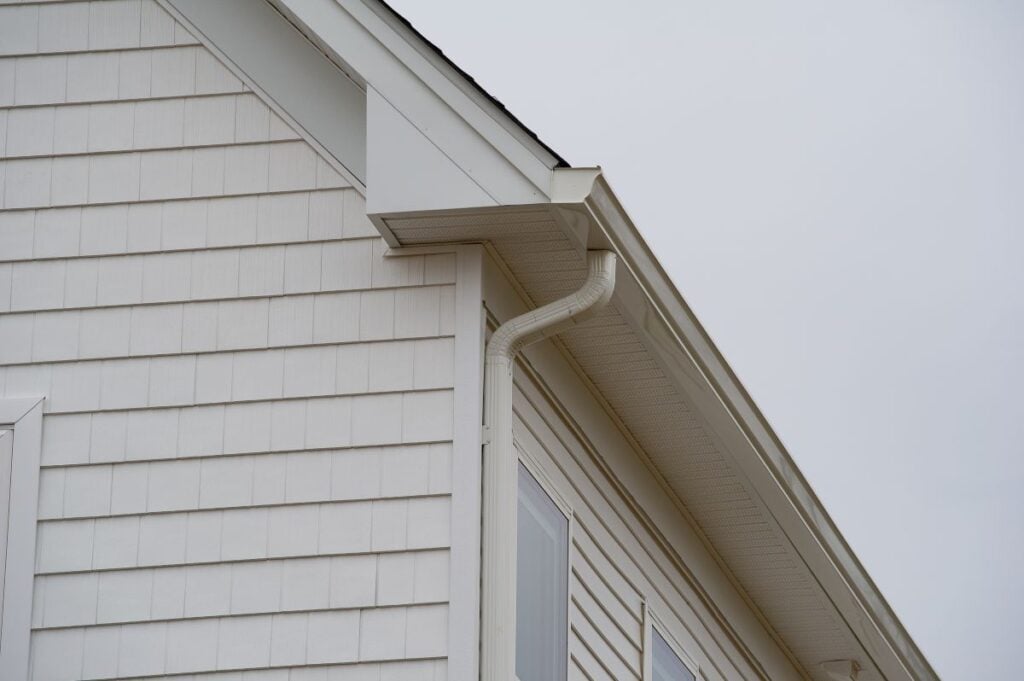
Protect Your Home with Proper Gutter Installation
Effective gutter installation is about more than attaching metal channels to your roofline. It requires careful planning, correct sizing, proper slope, and secure fastening to ensure reliable drainage.
Capstone Roofing Inc. is committed to protecting your home from the top down. Contact us today to schedule a free inspection and make sure your gutter system is installed for maximum performance and long-term protection.


4.8 RATING

5.0 RATING

A+ RATING