

Shingle Roof Lifespan: 8 Factors That Affect Longevity
Understanding your shingle roof lifespan is key to planning for repairs, budgeting for replacement, and protecting your home long term. Asphalt shingles remain one of the most popular roofing materials in 2026 because they balance affordability and performance. However, their longevity depends on much more than just the manufacturer’s warranty printed on the packaging.
- Material quality matters: Not all shingles are built to perform the same.
- Installation impacts durability: Even premium shingles can fail if installed improperly.
- Maintenance plays a role: Regular inspections and upkeep extend roof life.
While many asphalt shingle roofs are designed to last 15 to 30 years, real-world performance varies significantly. Environmental stress, ventilation, and installation quality all influence how long your roof will protect your home. Below, we break down the eight most important factors that determine actual lifespan.
Average Shingle Roof Lifespan in 2026
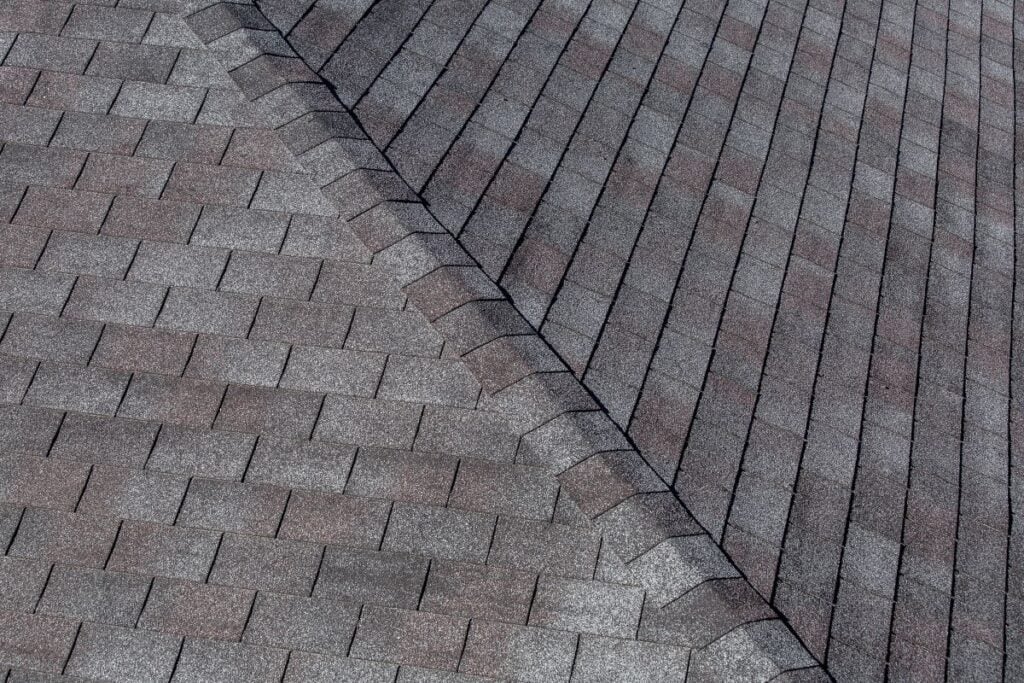
In general, three-tab asphalt shingles last around 15 to 20 years, while architectural or dimensional shingles often last 25 to 30 years. Premium designer shingles may last even longer under ideal conditions, sometimes reaching 30 to 40 years with proper care.
However, those estimates assume correct installation, balanced attic ventilation, and moderate climate exposure. Homes subjected to extreme UV exposure, frequent hailstorms, or strong seasonal temperature swings may experience faster deterioration. It’s important to view manufacturer warranties as guidelines rather than guarantees. The real determining factor is how well the entire roofing system functions together.
8 Factors That Affect Shingle Roof Lifespan
The following eight factors play a major role in determining how long your roof will perform effectively.
1. Shingle Quality and Type
- Three-tab shingles: More affordable but generally shorter lifespan.
- Architectural shingles: Thicker construction provides better durability.
- Premium shingles: Enhanced wind resistance and longer warranties.
Higher-quality shingles typically contain more asphalt and better protective granules, which improve resistance to UV rays and weathering. Thicker shingles also provide better dimensional stability, helping them resist curling and cracking over time.
2. Installation Quality
- Proper nailing pattern: Ensures shingles remain secure during storms.
- Correct alignment: Prevents premature lifting or uneven wear.
- Flashing installation: Critical for preventing leaks around penetrations.
Even the best shingles will fail early if installation shortcuts are taken. Incorrect nail placement can weaken wind resistance, while poorly sealed flashing can allow water intrusion that damages the roof deck beneath.
3. Attic Ventilation
- Heat regulation: Prevents excessive heat buildup under shingles.
- Moisture control: Reduces condensation that weakens decking.
- Balanced airflow: Intake and exhaust vents work together to protect roofing materials.
Poor ventilation accelerates aging by causing shingles to dry out and curl prematurely. Proper airflow protects not only the shingles but also the structural components below them.
4. Climate and Weather Conditions
- UV exposure: Constant sunlight breaks down asphalt over time.
- High winds: Can loosen or tear shingles.
- Heavy rain or snow: Repeated moisture exposure stresses materials.
Homes in storm-prone or high-heat regions may experience shorter shingle lifespans than those in milder climates. Seasonal temperature swings also cause expansion and contraction that gradually weakens shingles.
5. Roof Slope and Design
- Steeper slopes: Shed water more efficiently and reduce moisture retention.
- Low-slope areas: More prone to water pooling.
- Complex rooflines: Valleys and penetrations increase vulnerability.
Roof design influences how quickly water drains and how much stress shingles endure. Areas where water concentrates tend to show wear sooner.
6. Maintenance and Inspections
- Routine inspections: Identify minor issues before they spread.
- Debris removal: Prevents moisture buildup and granule damage.
- Prompt repairs: Fixing small leaks protects underlying decking.
Neglecting maintenance shortens roof lifespan significantly. Even a single missing shingle can allow moisture intrusion that spreads over time.
7. Underlayment and Roof Deck Condition
- Strong decking support: Prevents sagging and uneven wear.
- Quality underlayment: Adds a protective moisture barrier.
- Moisture resistance: Healthy decking prevents rot from spreading.
The roofing system works as a whole. Weak underlying components reduce overall durability and may cause visible shingle distortion.
8. Storm Damage and Impact
- Hail strikes: Can bruise shingles and dislodge granules.
- Flying debris: May cause cracks or punctures.
- Repeated weather events: Gradually weaken the roof system.
Even if damage is not immediately visible, storms can shorten a shingle roof lifespan over time. Regular inspections after severe weather help identify hidden issues early.
Signs Your Shingle Roof Is Nearing the End
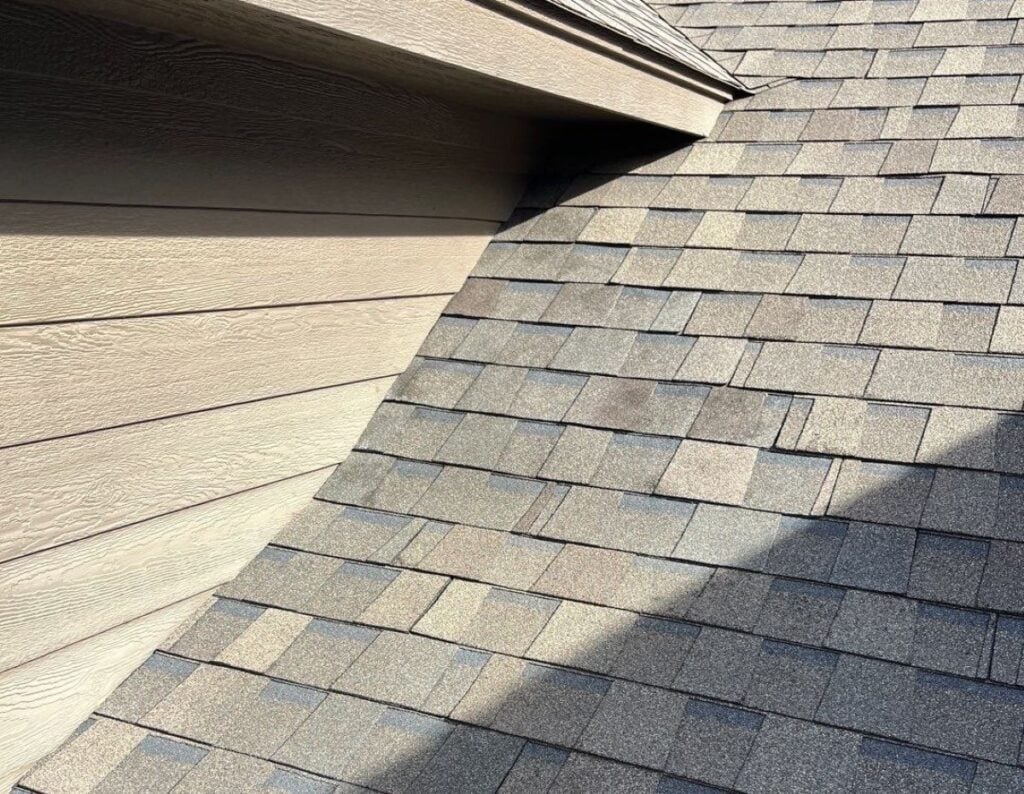
Knowing when your roof is approaching replacement age helps avoid emergency situations. Warning signs include:
- Curling or cracking shingles
- Significant granule loss
- Missing shingles after storms
- Frequent leaks
- Sagging rooflines
If your roof is over 20 years old and showing multiple warning signs, it may be more cost-effective to replace it rather than continue making temporary repairs.
How to Extend Your Shingle Roof Lifespan
While no roof lasts forever, several proactive steps can help extend performance:
- Schedule regular professional inspections
- Improve attic ventilation if needed
- Address minor repairs quickly
- Keep gutters clear to prevent water backup
- Trim overhanging tree branches
In addition to these steps, selecting high-quality shingles during installation can make a significant difference in longevity. Investing slightly more upfront in architectural or premium shingles often pays off in reduced maintenance and extended service life.
Shingle Roof Lifespan vs. Other Materials
Compared to metal or tile roofing, asphalt shingles typically have a shorter lifespan. However, they offer affordability, ease of installation, and strong performance when properly maintained.
For homeowners planning to stay in their homes for decades, upgrading to architectural shingles or investing in improved ventilation may help bridge the gap between cost and longevity.
Protecting Your Shingle Roof Investment
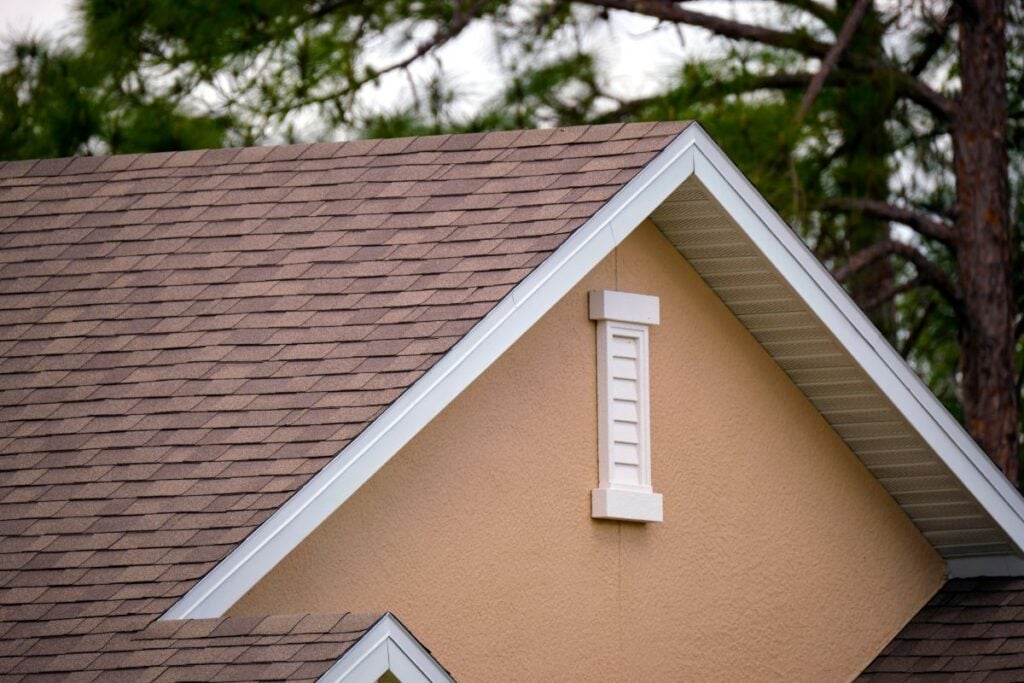
Your shingle roof lifespan depends on multiple factors, from material quality and installation to climate and maintenance. While most shingle roofs last 15 to 30 years, taking proactive steps can help ensure you reach the higher end of that range and avoid premature failure.
Capstone Roofing Inc. is committed to helping homeowners maximize roof performance and longevity. Contact us today to schedule a free inspection and find out how many years your shingle roof has left.


4.8 RATING

5.0 RATING

A+ RATING