

Downspout Extension: 4 Ways to Improve Drainage
Adding a downspout extension is one of the simplest and most effective ways to improve drainage around your home and prevent water damage. While gutters collect rainwater from your roof, downspouts and their extensions are responsible for directing that water safely away from your foundation.
- Protects your foundation: Moves water away from your home’s base to reduce erosion and cracks.
- Prevents basement issues: Helps minimize the risk of flooding and moisture intrusion.
- Improves overall drainage: Supports a complete and effective gutter system.
Understanding how downspout extensions work and choosing the right solution can make a major difference in how well your drainage system performs.
What Is a Downspout Extension?
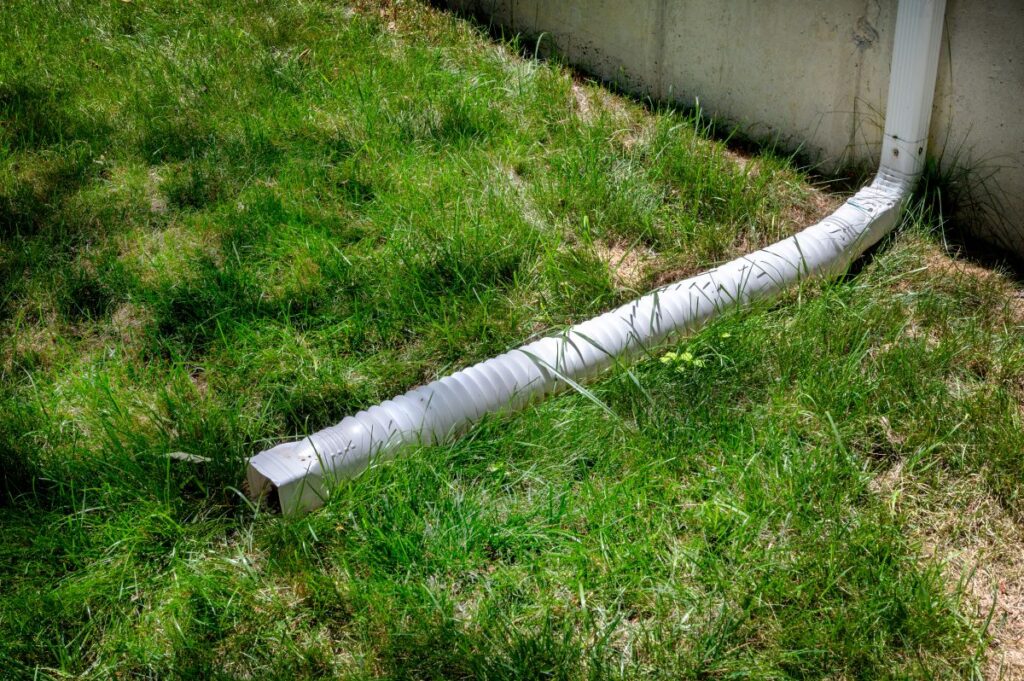
A downspout extension is an attachment added to the bottom of your gutter downspout. Its purpose is to carry water farther away from your home, typically several feet beyond the foundation. Without an extension, water discharged from the downspout may pool near the base of the house, leading to soil erosion, foundation damage, and basement leaks.
Downspout extensions come in several forms, including flexible tubing, rigid piping, splash blocks, and underground drainage systems. Each option serves the same basic function but varies in appearance, durability, and performance.
Why Downspout Extensions Are Important
Even a well-installed gutter system can fail to protect your home if water is not properly directed away from the structure. When water collects near the foundation, it can seep into cracks, weaken structural components, and cause long-term damage.
Over time, poor drainage can lead to issues such as shifting foundations, mold growth, and damage to landscaping. Downspout extensions provide a simple solution that helps prevent these problems by ensuring water flows away from your home.
For homeowners in areas with heavy rainfall or poor soil drainage, extensions are especially important.
Common Drainage Problems Without Downspout Extensions
Homes without proper extensions often experience a range of drainage issues:
- Water pooling near the foundation
- Soil erosion around the home
- Basement moisture or flooding
- Damage to siding or fascia
- Landscape washout during heavy rain
These problems can develop gradually, making them easy to overlook until significant damage has already occurred.
4 Ways to Improve Drainage with Downspout Extensions
Choosing the right type of downspout extension depends on your property layout, drainage needs, and aesthetic preferences. Below are four effective solutions.
1. Flexible Downspout Extensions
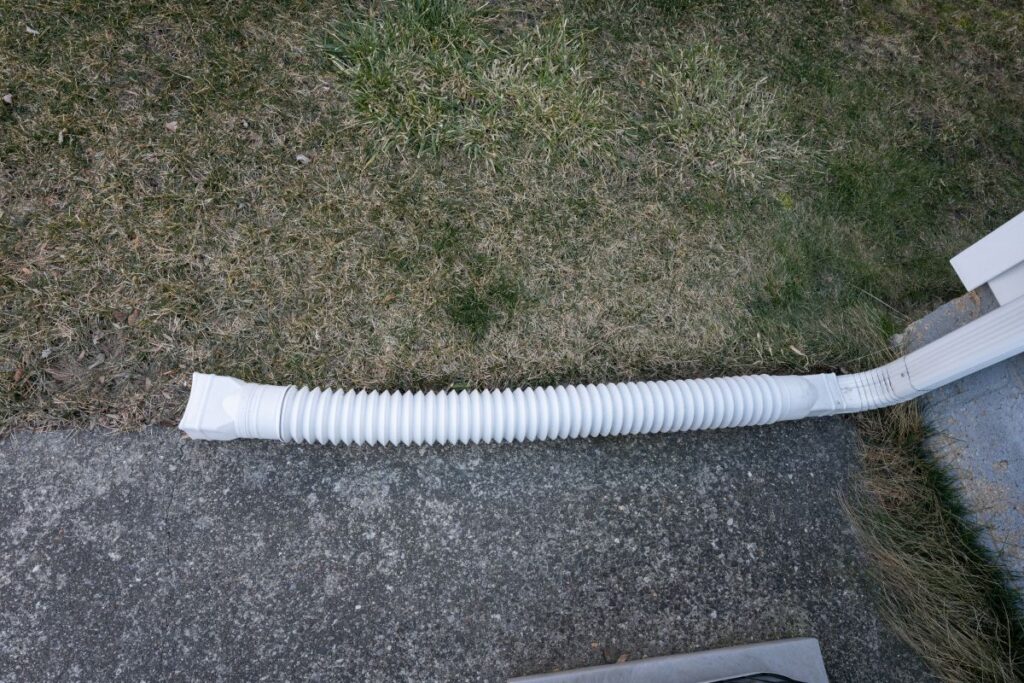
Flexible extensions are one of the most common and affordable options. Made from plastic or corrugated materials, they can be easily adjusted to direct water where it needs to go.
- Easy installation: Attaches directly to existing downspouts.
- Adjustable direction: Can be repositioned as needed.
- Cost-effective: Budget-friendly solution for immediate drainage improvement.
These extensions are ideal for homeowners looking for a quick fix. However, they may not be the most durable option and can be less visually appealing.
2. Rigid Downspout Extensions
Rigid extensions are made from solid materials such as PVC or metal and provide a more permanent solution.
- Durable construction: Holds shape and resists damage.
- Improved appearance: Blends better with landscaping.
- Consistent flow: Reduces the risk of kinks or blockages.
Rigid extensions are a great option for homeowners who want a longer-lasting and more polished drainage solution.
3. Splash Blocks
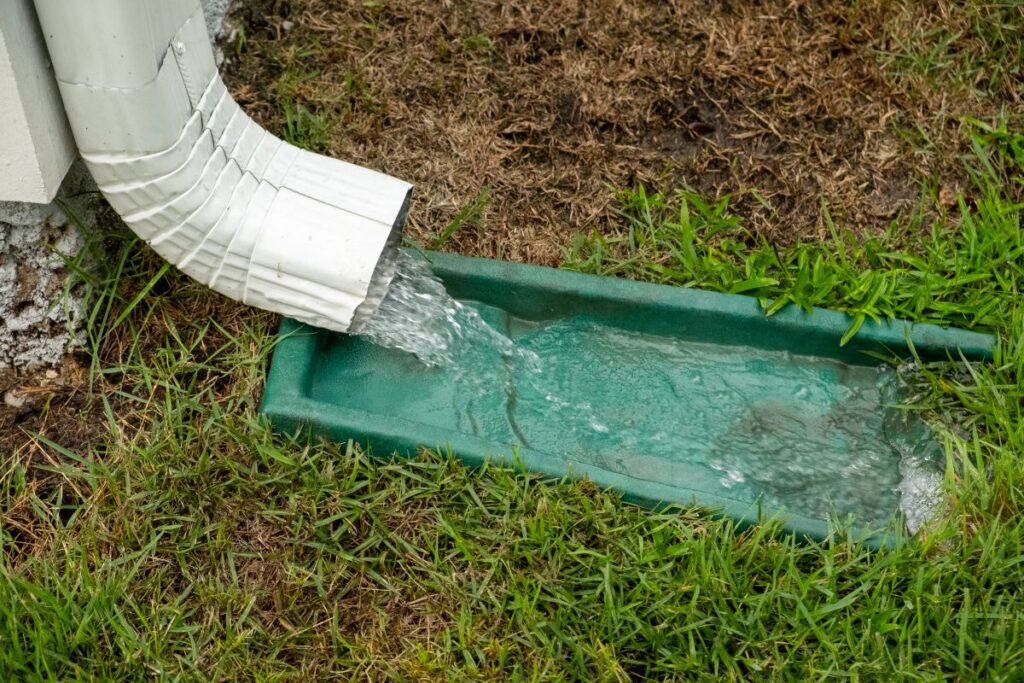
Splash blocks are placed at the end of a downspout to help disperse water away from the foundation.
- Simple design: No installation required.
- Prevents soil erosion: Spreads water over a wider area.
- Low maintenance: Durable and easy to clean.
While splash blocks are effective for light to moderate rainfall, they may not provide sufficient drainage for heavy storms.
4. Underground Drainage Systems
For a more advanced solution, underground drainage systems carry water away from your home through buried pipes.
- Hidden system: Keeps your yard free of visible extensions.
- High capacity: Handles large volumes of water.
- Long-term solution: Ideal for properties with persistent drainage issues.
These systems require professional installation but offer the most effective and aesthetically pleasing solution.
How Far Should a Downspout Extension Extend?
In most cases, downspout extensions should carry water at least 4 to 6 feet away from the foundation. However, the ideal distance depends on your property’s slope, soil type, and drainage conditions.
Homes with poor drainage or heavy rainfall may require longer extensions or additional drainage solutions. The goal is to ensure that water is directed far enough away that it cannot flow back toward the foundation.
Signs You Need a Downspout Extension
If you are unsure whether your home needs downspout extensions, look for these warning signs:
- Water pooling near the base of your home
- Mud or erosion around downspouts
- Basement dampness or leaks
- Staining on foundation walls
- Gutters overflowing during rainstorms
Addressing these issues early can help prevent more serious structural problems.
How Downspout Extensions Support Your Roofing System
Your roof, gutters, and downspouts all work together as a system to manage water. While the roof sheds water and gutters collect it, downspout extensions ensure that water is safely removed from the property.
Without proper extensions, even a high-quality roofing system can experience problems. Water that is not directed away from the home can eventually find its way back into the structure, causing damage to both the roof and the foundation.
By improving drainage, downspout extensions help protect every part of your home.
Maintenance Tips for Downspout Extensions
To keep your drainage system working effectively:
- Inspect extensions regularly for damage or blockages
- Keep gutters clean to prevent overflow
- Ensure extensions remain properly positioned
- Check for clogs in underground systems
- Replace worn or damaged components promptly
Routine maintenance helps ensure consistent performance and prevents drainage issues.
Improve Drainage with the Right Downspout Extension
A properly installed downspout extension is a simple but powerful tool for protecting your home from water damage. By directing water away from your foundation, it helps prevent costly repairs and supports the performance of your entire roofing system.
Capstone Roofing Inc. is here to help you evaluate your drainage system and ensure your home is fully protected. Contact us today to schedule a free inspection and get expert guidance on improving your gutter and downspout performance.



4.8 RATING

5.0 RATING

A+ RATING