
Chimney Leak Repair: 8 Common Causes and Fix Options
Dealing with chimney leak repair can be frustrating for homeowners, especially when water damage appears without an obvious source. Chimneys are one of the most common areas for roof leaks because they interrupt the roofline and require multiple layers of sealing and flashing.
- High-risk area: Chimneys create natural weak points where water can enter.
- Multiple components involved: Flashing, masonry, and caps all play a role.
- Early detection matters: Small leaks can quickly turn into major structural damage.
Understanding what causes chimney leaks and how to fix them can help you protect your home and avoid costly repairs.
Why Chimney Leaks Are So Common
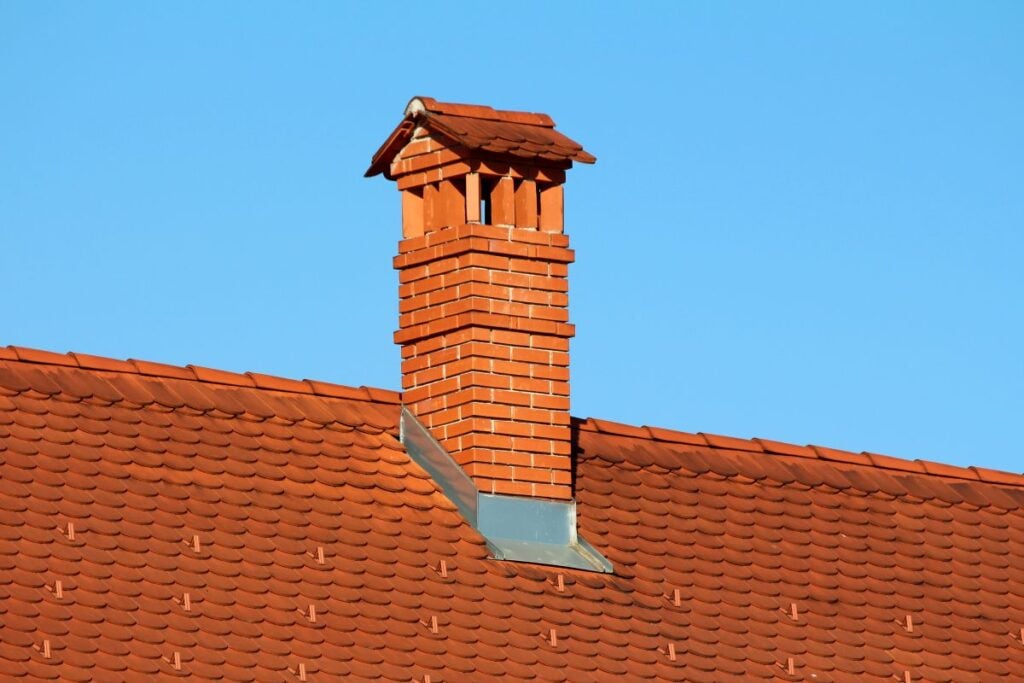
Chimneys are exposed to the elements on all sides, making them more vulnerable than other parts of your roof. Unlike flat roofing surfaces, chimneys involve transitions between materials, such as shingles, metal flashing, and masonry.
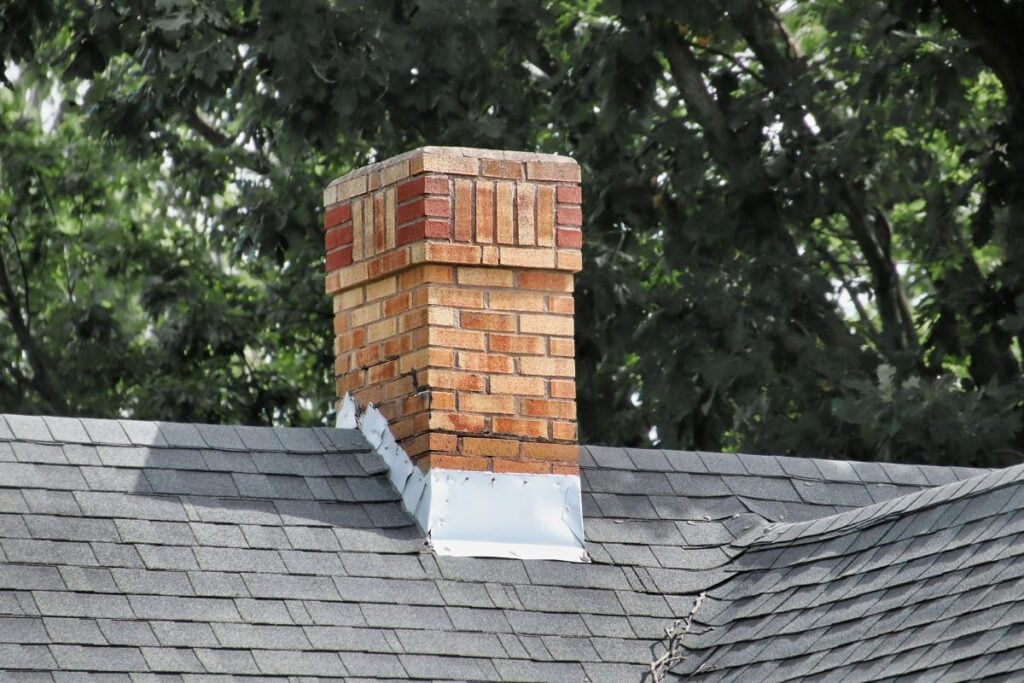
Over time, these connections can weaken due to weather exposure, temperature changes, and general wear. Even a small gap in flashing or a crack in the masonry can allow water to enter and travel into your attic or interior walls.
Because water often travels before becoming visible, the source of a chimney leak is not always easy to identify without a professional inspection.
Signs You May Need Chimney Leak Repair
Chimney leaks can present themselves in several ways. Recognizing these signs early can help prevent more serious damage.
- Water stains on ceilings or walls near the chimney
- Damp or musty odors in the attic
- Visible rust on chimney components
- Cracked or deteriorating mortar joints
- Dripping water during or after rainstorms
If you notice any of these issues, it is important to address them quickly.
8 Common Causes of Chimney Leaks
Identifying the cause of the leak is the first step toward an effective repair. Below are eight of the most common issues that lead to chimney leaks.
1. Damaged or Improper Flashing
- Loose flashing: Movement or poor installation can create gaps.
- Corrosion: Metal flashing can deteriorate over time.
- Improper sealing: Allows water to seep between the roof and chimney.
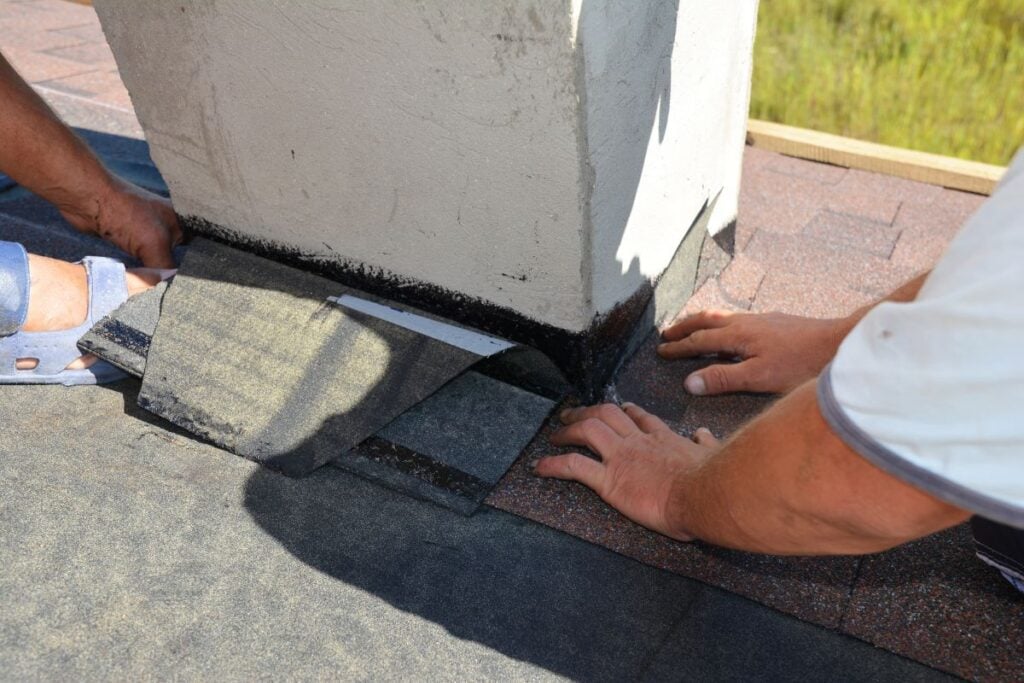
Flashing is the primary barrier between the chimney and roof. When it fails, leaks are almost inevitable.
2. Cracked Chimney Crown
- Weather damage: Freeze-thaw cycles cause cracks.
- Aging materials: Concrete crowns can deteriorate over time.
- Water penetration: Cracks allow moisture into the chimney structure.
The chimney crown protects the top of the chimney from water intrusion. Damage here can lead to widespread issues.
3. Missing or Damaged Chimney Cap
- Open chimney top: Allows rain to enter directly.
- Animal intrusion: Birds or debris can block drainage.
- Rust or wear: Caps can deteriorate over time.
A chimney cap is a simple but essential component for keeping water out.
4. Deteriorating Mortar Joints
- Erosion over time: Mortar breaks down due to weather exposure.
- Gaps between bricks: Allow water to seep into the chimney.
- Structural weakening: Leads to further damage if not addressed.
Repointing mortar joints can restore the chimney’s integrity.
5. Cracked or Porous Masonry
- Absorption of water: Brick and stone can become porous.
- Surface cracks: Allow moisture to enter and expand.
- Freeze-thaw damage: Worsens cracks over time.
Waterproofing treatments can help protect masonry from further damage.
6. Poor Roof-to-Chimney Sealing
- Improper installation: Gaps left during roofing work.
- Sealant breakdown: Caulking can wear out over time.
- Movement between materials: Causes separation.
This issue is common when roofs are replaced without properly addressing chimney connections.
7. Condensation Inside the Chimney
- Temperature differences: Cause moisture buildup.
- Improper ventilation: Traps moisture inside.
- Flue issues: Contribute to internal condensation.
Not all chimney leaks come from rainwater. Condensation can also create moisture problems.
8. Ice Dam Formation
- Snow buildup: Melts and refreezes around the chimney.
- Water backup: Forces water under shingles and flashing.
- Cold climate issue: More common in regions with freezing temperatures.
Proper insulation and ventilation can help prevent ice dams.
Chimney Leak Repair Options
The right repair solution depends on the cause of the leak. In many cases, addressing the root issue will resolve the problem completely.
Common repair options include:
- Replacing or repairing flashing
- Sealing cracks in the chimney crown
- Installing or replacing a chimney cap
- Repointing mortar joints
- Applying waterproof coatings to masonry
- Improving attic ventilation
For more severe damage, partial chimney rebuilding or roof repair may be necessary.
Temporary vs. Permanent Fixes
Temporary fixes, such as sealants or patches, can provide short-term relief but should not be relied on as a long-term solution. These measures may stop leaks temporarily but do not address underlying issues.
Permanent repairs involve correcting the root cause, whether that means replacing flashing, repairing masonry, or improving drainage. Investing in proper repairs helps prevent recurring leaks and additional damage.
How to Prevent Future Chimney Leaks
Preventative maintenance is key to avoiding future chimney leaks. Regular inspections can identify early signs of wear and allow for timely repairs.
Homeowners should:
- Schedule annual roof and chimney inspections
- Keep gutters and roof surfaces clean
- Address minor cracks or damage promptly
- Ensure proper flashing and sealing
- Maintain proper attic ventilation
These steps help extend the life of both your chimney and roofing system.
Why Professional Inspection Matters
Chimney leaks can be complex and difficult to diagnose without experience. Water may travel along beams or insulation before becoming visible, making the source hard to pinpoint.
A professional inspection provides a thorough evaluation of all components, including flashing, masonry, and ventilation. This ensures the correct repair solution is applied and helps prevent future issues.
Fix Chimney Leaks Before They Get Worse
Chimney leaks are a common but serious issue that can lead to significant damage if not addressed quickly. From flashing failures to masonry cracks, identifying the cause and applying the right fix is essential for protecting your home.
Capstone Roofing Inc. is here to help homeowners identify and resolve chimney leaks with confidence. Contact us today to schedule a free inspection and get expert guidance on chimney leak repair and long-term roof protection.


4.8 RATING

5.0 RATING

A+ RATING