

How to Clean Gutters (8 Tips, Tools & How Often)
Knowing how to clean gutters properly is one of the most important parts of protecting a home from water damage, foundation issues, and pest problems. At Capstone Roofing Inc., we have helped countless homeowners maintain their gutter systems and understand exactly what it takes to keep them performing year-round. Clean, free-flowing gutters direct water away from the home, protect the roof edge, and prevent the kind of slow, hidden damage that ends up costing thousands to repair. The good news is that with the right approach, tools, and schedule, gutter cleaning is a manageable task that any homeowner can plan for confidently.
In this guide, we walk through everything homeowners need to know about cleaning gutters, including practical tips, the right tools, and how often the job should be done. We will cover:
- The right tools and preparation: What homeowners need to gather before starting any gutter cleaning project.
- Eight expert tips for clean gutters: Practical advice we use ourselves to keep gutter systems performing at their best.
- How often gutters should be cleaned: A clear schedule based on the home’s environment and tree coverage.
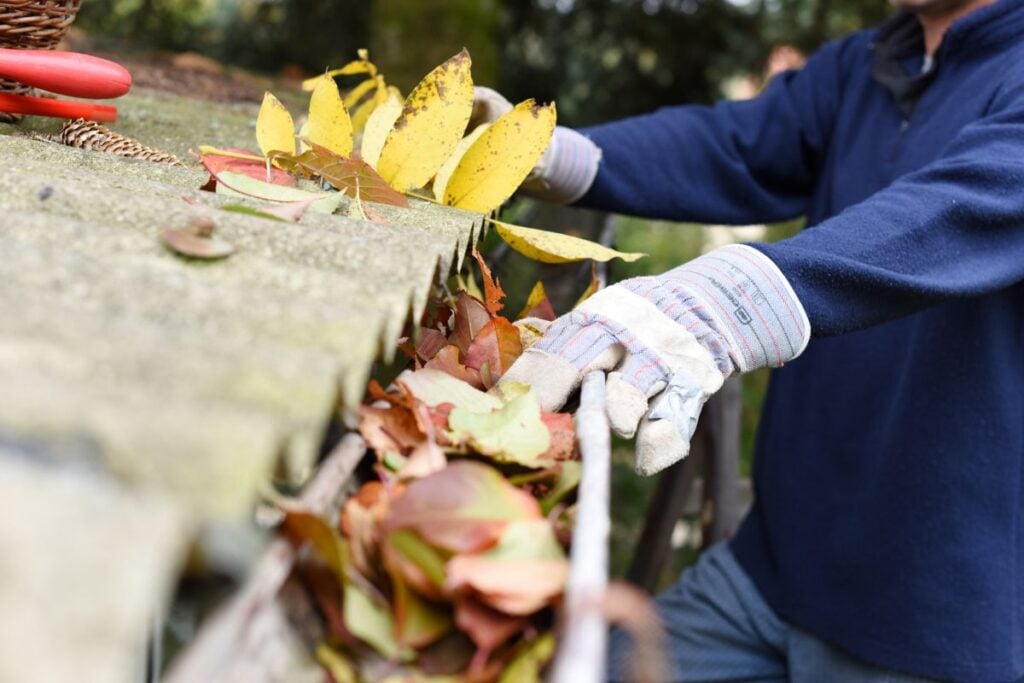
Why Clean Gutters Matter for Home Protection
Gutters do far more than handle rainwater. They protect the foundation, prevent water from running down siding, keep landscaping intact, and reduce the risk of roof damage at the eaves. When gutters clog with leaves, twigs, and shingle grit, water has nowhere to go and overflows onto the home and the ground around it. We have inspected too many homes where preventable water damage traced directly back to neglected gutter cleaning, and the repair costs almost always exceed what regular maintenance would have cost over many years combined.
What Happens When Gutters Are Not Cleaned
Clogged gutters create problems throughout the home, and many of those problems develop quietly until they become expensive surprises. Water that should be flowing through the gutters and away from the home ends up backing up, overflowing, or seeping into places it should never reach. We always remind homeowners that the consequences of skipping gutter cleaning extend far beyond the gutters themselves.
- Foundation damage: Overflowing water saturates the soil around the foundation, leading to cracks and basement seepage over time.
- Fascia and soffit rot: Water backing up under the roof edge damages the wooden fascia and soffit boards.
- Roof damage: Water that cannot drain properly can back up under shingles and damage the roof edge.
- Pest problems: Standing water and decaying debris attract mosquitoes, rodents, and other unwanted visitors.
Signs Your Gutters Need Cleaning
Knowing when gutters need attention helps homeowners stay ahead of problems before they cause damage. Many of the warning signs are visible from the ground and become apparent during or after rainstorms. We encourage homeowners to do regular visual checks throughout the year so cleaning happens before problems develop.
- Overflowing water: Water spilling over the front edge of the gutter during rain is a clear sign of clogging.
- Visible debris: Leaves, twigs, or plant growth visible above the gutter line indicates buildup that needs removal.
- Sagging gutters: Sections pulling away from the fascia often signal excess weight from accumulated debris and water.
- Stained siding: Streaks or stains running down the siding below the gutter typically point to overflow issues.
8 Expert Tips for Cleaning Gutters Effectively
When gutter cleaning needs to happen, a careful approach delivers safer, more effective results. Below are the eight expert tips we follow when handling gutter cleaning ourselves and recommend to homeowners who take on the work themselves. Each tip plays a role in protecting the home, the gutters, and the person doing the cleaning.
1. Prioritize Safety Above All Else
Safety is the single most important consideration in any gutter cleaning project. Ladder falls are a serious risk, and gutter cleaning consistently ranks among the most dangerous routine home maintenance tasks. We always encourage homeowners to assess their comfort with heights honestly and to consider professional help if any aspect of the work feels beyond their experience or capability.
- Sturdy ladder placement: Use a quality extension ladder on level ground with a stabilizer to prevent gutter damage.
- Non-slip footwear: Wear shoes with strong tread and avoid working on wet or icy surfaces.
- Three-point contact: Always keep two hands and one foot, or two feet and one hand, on the ladder.
- Helper on the ground: Have someone available to steady the ladder, hand up tools, or call for help if needed.
2. Gather the Right Tools Before Starting
Having the right tools on hand makes gutter cleaning faster, safer, and more thorough. Climbing down to retrieve forgotten equipment increases the risk of accidents and turns a simple job into a frustrating one. We always recommend gathering everything needed in a bucket or tool belt before climbing the ladder for the first time.
- Sturdy gloves: Heavy-duty work gloves protect hands from sharp debris, screws, and bacteria in decomposing material.
- Gutter scoop or trowel: A plastic gutter scoop removes debris efficiently without damaging the gutter.
- Bucket on a hook: A bucket hung from the ladder catches debris and keeps both hands free for cleaning.
- Garden hose: A hose with a spray nozzle flushes gutters and downspouts after debris removal.
3. Clear Large Debris by Hand First
The most efficient way to start a gutter cleaning is by removing large debris by hand before introducing water. Leaves, twigs, and accumulated material come out far more easily when dry, and removing them first prevents heavy, wet sludge from blocking the downspouts. We always work from a downspout outward to make sure debris flows toward the gutter opening rather than getting pushed deeper into the system.
- Start near a downspout: Begin clearing debris near a downspout opening and work outward in both directions.
- Use a scoop or trowel: Lift debris out section by section, dropping it directly into the hanging bucket.
- Avoid metal tools: Metal scrapers can damage gutter coatings and finishes, leading to corrosion over time.
- Check ridge and valley sections: Pay extra attention to areas where roof valleys empty into the gutter.
4. Flush the Gutters With Water
After removing large debris, flushing the gutters with a garden hose clears finer material and confirms the system is draining properly. Water flow reveals any spots where the gutter is sagging, any leaks at seams, and any blockages in the downspouts. We always run water through the gutters after cleaning so we can identify and address any issues before climbing down for good.
- Standard hose pressure: Use a regular garden hose, not a pressure washer, which can damage gutter surfaces.
- Direct flow toward downspouts: Spray from the high end of the gutter run toward the downspout opening.
- Watch for proper drainage: Confirm water flows freely toward and through each downspout.
- Check for slope issues: Standing water that does not drain indicates a sagging gutter that needs adjustment.

5. Clear the Downspouts Separately
Even clean gutters cannot drain properly if the downspouts are blocked. Downspouts often accumulate debris near the elbows, where the pipe changes direction, and clogs there can be invisible from above. We always check downspouts as a separate step in every gutter cleaning to confirm the entire drainage path is working as designed.
- Visual check at the top: Look down each downspout opening for visible debris or blockages.
- Water test: Run a hose into the top of the downspout and confirm strong, steady flow at the bottom.
- Plumber’s snake for clogs: Use a flexible drain snake to clear stubborn clogs in the downspout pipe.
- Disassemble if needed: Some clogs require taking apart elbow sections to clear completely.
6. Inspect for Damage While Cleaning
Gutter cleaning is the perfect time to inspect the entire gutter system for any signs of damage or wear. Loose fasteners, separating seams, rusted sections, and bent edges are easy to spot up close and far less obvious from the ground. We always note any issues we find during cleaning so they can be addressed promptly before they lead to leaks or system failures.
- Check fasteners: Tighten or replace loose gutter hangers, screws, or brackets along the entire run.
- Inspect seams: Look for separation or gaps at seam joints that may leak during heavy rain.
- Look for corrosion: Note any rust spots, holes, or thin areas that may need repair or section replacement.
- Check the slope: Confirm gutters still slope toward downspouts at the proper rate for good drainage.
7. Direct Water Well Away From the Foundation
Clean gutters only protect the home if the water they collect ends up far enough from the foundation. Downspouts should discharge water at least three to four feet from the home, ideally onto a downward slope or into a drain leading away from the building. We always check downspout extensions during cleaning since they often shift, break, or come loose between cleanings.
- Downspout extensions: Use extensions or splash blocks to direct water away from the foundation.
- Minimum discharge distance: Water should exit downspouts at least three to four feet from the home.
- Grade away from house: The ground around downspouts should slope away from the foundation.
- French drains: For homes with chronic water issues, consider underground drainage that carries water farther.
8. Plan for Long-Term Maintenance
The final tip is planning for ongoing gutter maintenance rather than treating each cleaning as an isolated project. Homes with significant tree coverage benefit from gutter guards, and all homes benefit from a consistent cleaning schedule that prevents major buildups from forming. We always discuss long-term planning with homeowners so gutter cleaning becomes a manageable routine rather than an emergency response.
- Gutter guards: High-quality gutter guards reduce cleaning frequency significantly on tree-heavy properties.
- Tree trimming: Trimming overhanging branches reduces leaf and twig accumulation in the gutters.
- Scheduled cleanings: Set calendar reminders so cleanings happen on a consistent schedule rather than when problems develop.
- Professional service: Annual professional cleaning can save time, reduce risk, and catch issues homeowners might miss.
How Often Should Gutters Be Cleaned?
Most homes benefit from gutter cleaning at least twice a year, in late spring and late fall, although homes with heavy tree coverage often need more frequent attention. The right schedule depends on the surrounding landscape, the type of trees nearby, and how the gutters perform during heavy rain.
Recommended Cleaning Schedule Based on Property Type
Different properties call for different gutter cleaning frequencies, and matching the schedule to the home’s specific conditions delivers the best long-term results. We always recommend starting with a baseline schedule and adjusting based on what each cleaning reveals about the actual debris load.
- Standard homes with limited tree coverage: Twice a year, in late spring and late fall.
- Homes with moderate tree coverage: Three times a year, including a mid-fall cleaning during leaf drop.
- Heavily wooded properties: Four times a year or quarterly throughout the entire year.
- Homes with pine trees nearby: More frequent attention may be needed since pine needles fall year-round.
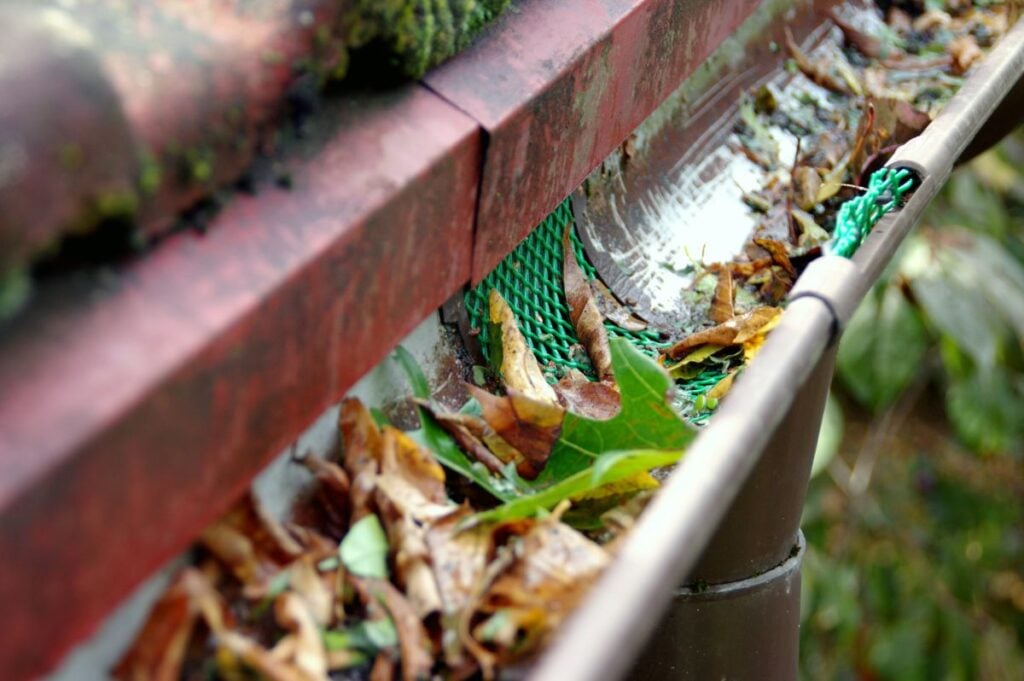
Frequently Asked Questions About Cleaning Gutters
Homeowners often have similar questions about gutter cleaning. Below are direct answers to the questions we hear most often. These answers reflect general guidance and can be tailored to specific homes during a professional consultation.
How Long Does It Take to Clean Gutters?
Cleaning gutters on an average single-story home typically takes one to two hours, while larger or two-story homes can take three to five hours. The exact time depends on the home’s size, the height of the gutters, the amount of debris accumulated, and the number of downspouts that need attention. We always plan for extra time on the first cleaning of the season since debris loads tend to be heaviest after winter or fall.
- Single-story homes: Typically one to two hours for an average-size residence.
- Two-story homes: Three to five hours due to increased height and complexity.
- Heavy debris: First cleanings of the season often take longer due to accumulated material.
- Multiple downspouts: Each downspout requires its own attention to confirm proper flow.
Should I Clean Gutters Myself or Hire a Professional?
Homeowners can clean their own gutters when they are comfortable with heights, have the proper equipment, and can do the work safely. Many homeowners benefit from hiring a professional, especially on two-story homes, properties with steep landscaping, or homes with complex gutter systems. We always recommend honest assessment of personal comfort and capability before climbing a ladder for gutter work.
- DIY suitable: Single-story homes with accessible gutters and confident ladder users.
- Professional recommended: Two-story homes, steep landscaping, or homes with complex gutter systems.
- Safety considerations: Anyone uncomfortable with heights should seriously consider professional service.
- Time and tools: Hiring out saves time and eliminates the need to purchase specialized equipment.
What Is the Best Time of Year to Clean Gutters?
The best times to clean gutters are late spring and late fall, with late fall being especially important after most leaves have dropped. Spring cleanings clear winter debris and prepare the system for spring rains, while fall cleanings clear leaves and prepare the system for winter. We always recommend waiting until most leaves have fallen before the late fall cleaning so a single visit handles the bulk of the seasonal load.
- Late spring: Clears winter debris and prepares for spring storms.
- Late fall: Removes leaves and prepares the system for winter weather.
- Mid-fall option: Heavily wooded properties may benefit from an additional mid-fall cleaning.
- After major storms: Any significant storm can leave debris that warrants an extra cleaning.
Trust Capstone Roofing Inc. for Gutter and Roof Care
Clean, well-maintained gutters are an essential part of protecting any home, and the right approach to gutter cleaning makes the entire system perform better for years to come. At Capstone Roofing Inc., we bring deep experience to every gutter project and treat each home with the same care we would give our own. Our team understands how gutters, roofs, and drainage systems work together, and we provide honest assessments along with workmanship that protects homes for the long term. We pride ourselves on transparent communication, quality craftsmanship, and care that goes beyond the immediate project. If you need help with gutter care or want a professional evaluation of your home’s drainage system, we are here to help. Contact Capstone Roofing Inc. today for a free inspection and expert guidance from a team you can trust.




4.8 RATING

5.0 RATING

A+ RATING