

Does Your Roof Need Replacing? 7 Warning Signs
Recognizing the signs you need a new roof is one of the most important parts of protecting a home from water damage, structural problems, and unexpected emergencies. At Capstone Roofing Inc., we have helped countless homeowners evaluate whether their roof has more years left or whether the time has come to plan for replacement. Roofs rarely fail suddenly. They give warning signs months or even years in advance, and homeowners who recognize those signs early have far more time, options, and budgeting flexibility than those who wait for leaks or interior damage to force the decision. Knowing what to look for empowers homeowners to make confident, informed choices about one of the most important investments in their home.
In this guide, we walk through the seven most reliable warning signs that a roof may need replacing along with the context that helps homeowners interpret each one. We will cover:
- The most common warning signs: Visual and structural indicators that signal a roof is approaching the end of its useful life.
- Why each sign matters: The reasons each indicator points toward replacement rather than simple repair.
- When to consult a professional: The point at which a roofing expert should evaluate the roof and provide recommendations.
Why Recognizing Roof Replacement Signs Matters
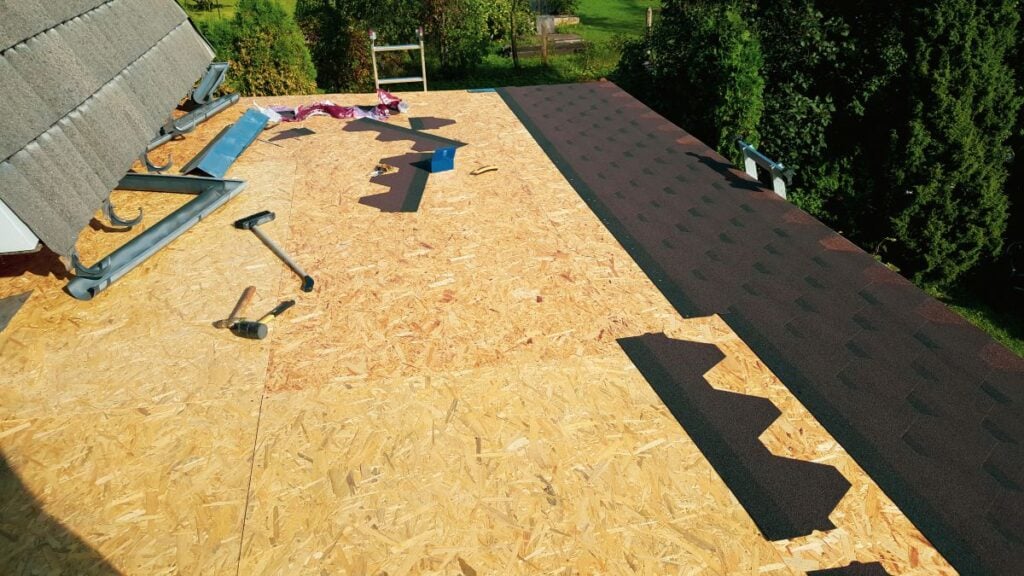
A roof is one of the most important systems in any home, protecting everything inside from weather, water, and temperature extremes. When a roof begins to fail, the consequences extend far beyond the roofing materials themselves. Water can damage attic insulation, ceilings, walls, and even structural framing if a leaking roof is not addressed in time. We always encourage homeowners to pay attention to the warning signs their roof provides, since acting early prevents secondary damage and gives families more time to plan a thoughtful replacement.
The Difference Between Repair and Replacement
Not every roof problem calls for replacement. Many issues can be addressed with targeted repairs that extend the life of an otherwise sound roof. However, certain warning signs point clearly toward replacement being the more cost-effective and protective choice. Understanding the difference helps homeowners avoid both unnecessary replacements and unnecessary delays.
- Localized damage: A few missing or damaged shingles in one area often calls for repair rather than replacement.
- Widespread wear: Damage spread across multiple areas of the roof typically indicates the entire system is aging.
- Multiple recurring issues: Roofs that develop new problems shortly after each repair often need replacement.
- Age plus problems: A roof near the end of its expected lifespan that shows damage almost always warrants replacement.
Benefits of Replacing a Roof Before It Fails Completely
Replacing a roof before it fails completely delivers significant advantages over waiting for an emergency. Planned replacement allows homeowners to choose materials carefully, schedule the work for convenient timing, and avoid the secondary damage that comes from leaking roofs. We always recommend proactive planning over reactive repairs whenever the warning signs make it clear that replacement is coming.
- Material choice: Time to research and select the right roofing material for the home and climate.
- Scheduling flexibility: Ability to schedule the project during favorable weather and convenient times.
- Lower total cost: Avoiding the cost of interior repairs from leaks that develop during delays.
- Peace of mind: Confidence that the home is protected by a fully functional roofing system.
7 Warning Signs You Need a New Roof
When evaluating a roof for potential replacement, certain warning signs consistently indicate that the time has come. Below are the seven most reliable indicators we look for during professional inspections. Recognizing these signs early gives homeowners the time and information they need to plan for a smooth replacement process.
1. The Roof Is Approaching or Past Its Expected Lifespan
Roof age is one of the most important factors in any replacement decision. Different materials have different expected lifespans, and a roof that has reached or exceeded its useful life almost always warrants replacement even if no obvious damage is visible. According to the National Association of Home Builders, asphalt shingles typically last 20 years with proper maintenance, although higher-quality architectural shingles often last longer. We always start an inspection by considering the roof’s age along with its material type.
- Asphalt shingles: Standard 3-tab shingles typically last 15 to 20 years, while architectural shingles often reach 25 to 30 years.
- Metal roofing: Most metal roofing systems last 40 to 70 years or more, depending on material and installation.
- Tile and slate: Clay tile and slate roofs can last 50 to 100 years with proper care and maintenance.
- Documentation review: Check homeowner records, previous inspection reports, or warranty documents for the exact installation date.
2. Curling, Cracking, or Buckling Shingles
Shingles that have lost their flat, uniform appearance indicate the material is no longer performing as it should. Curling, cracking, and buckling all signal that the shingles have aged past their effective service life and can no longer protect the underlying decking from water intrusion. We see this kind of damage frequently on roofs in the last few years of their lifespan, and it is one of the clearest visual indicators that replacement is approaching.
- Curling edges: Shingle edges that lift or curl upward indicate moisture absorption and end-of-life degradation.
- Cracked surfaces: Visible cracks in shingles allow water to penetrate the protective layer and reach the decking below.
- Buckling sections: Areas where shingles appear to bulge or wrinkle suggest issues with the underlying decking or installation.
- Widespread pattern: When curling or cracking appears across large areas, the entire roof is typically affected.
3. Significant Granule Loss
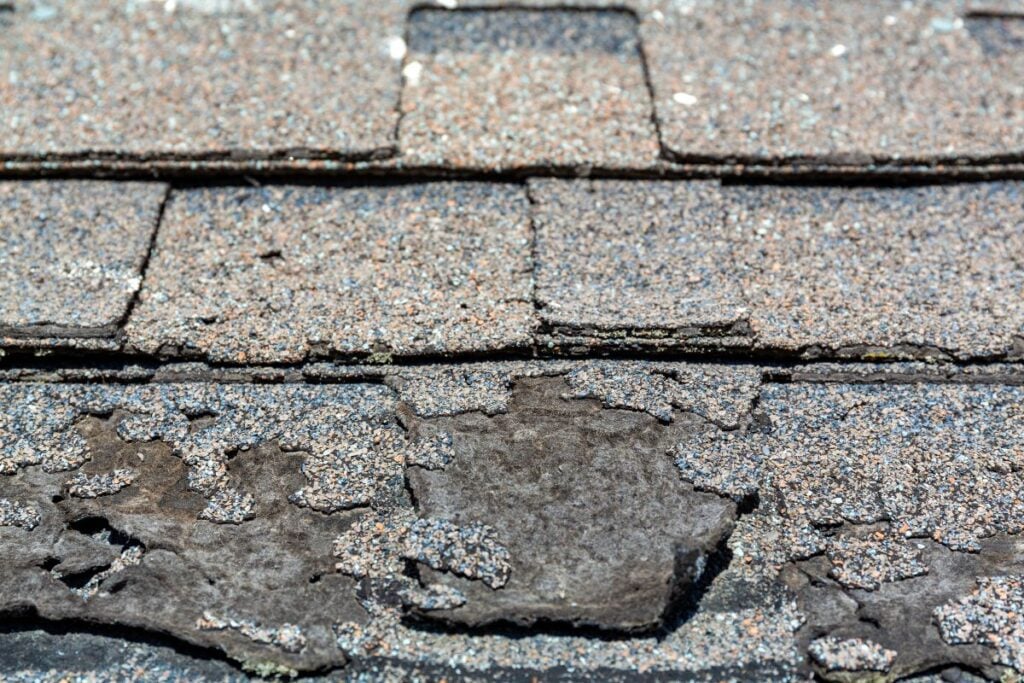
The colored granules on asphalt shingles protect the underlying mat from ultraviolet damage and weather. When those granules wear off, the shingle loses its protective layer and begins to degrade rapidly. Significant granule loss is one of the clearest signs that an asphalt shingle roof is nearing the end of its useful life. We always check gutters and downspouts during inspections, since accumulated granules there often reveal what is happening on the roof itself.
- Granules in gutters: Piles of granules collecting at downspout outlets indicate significant shingle wear.
- Bare spots on shingles: Visible patches where granules have worn away expose the underlying mat.
- Shiny or smooth areas: Sections that look smoother or shinier than the surrounding roof have lost their granule layer.
- Accelerated wear: Once granule loss begins, shingles deteriorate much faster than they did before.
4. Missing or Damaged Shingles
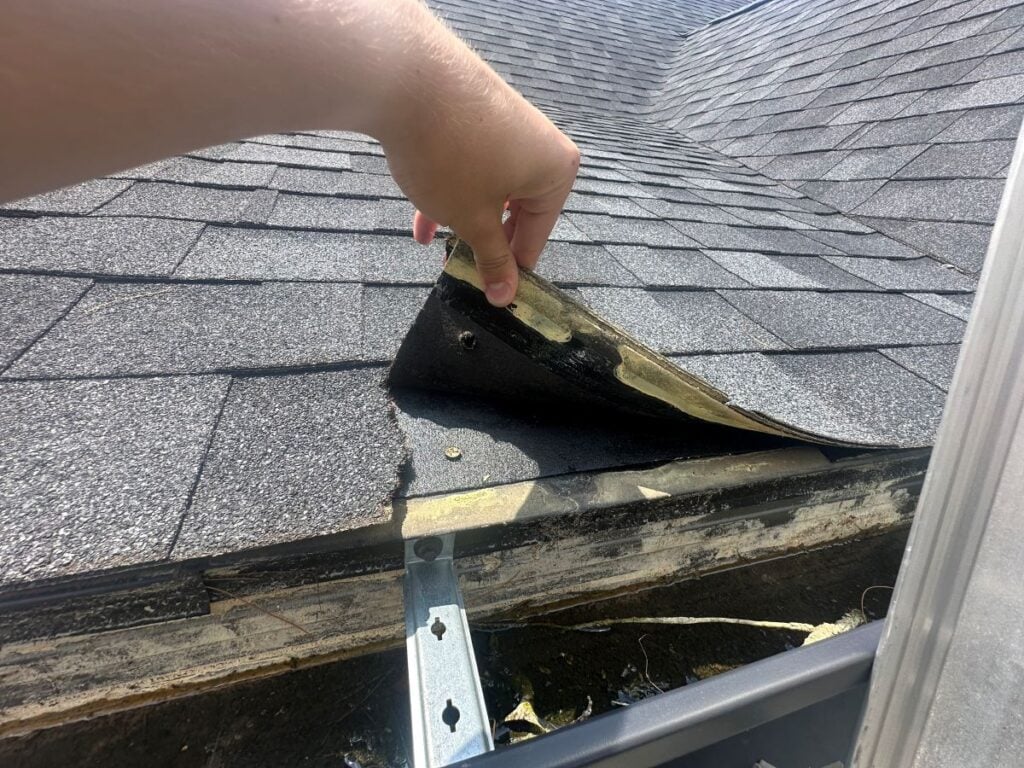
Missing shingles after storms are common and often easy to repair, but persistent or widespread missing shingles point to a different problem. When shingles routinely come loose during normal weather, the underlying adhesive is failing across the entire roof, and the system as a whole is no longer doing its job. We see this pattern most often on roofs that have aged past their useful life, and it almost always points to replacement rather than spot repairs.
- Visible gaps: Areas where shingles are missing entirely expose the underlayment and decking to weather.
- Loose or lifting shingles: Shingles that flap in wind or lift visibly during normal weather have lost their sealant bond.
- Recurring loss: Roofs that lose shingles repeatedly even in moderate weather are typically nearing the end of their lifespan.
- Storm pattern: Significant shingle loss after a single storm may indicate underlying installation or age-related issues.
5. Visible Sagging or Roofline Deformation
A sagging roof is one of the most serious warning signs a homeowner can identify, since it points to structural problems rather than just material wear. Visible dips, curves, or deformations in the roofline indicate that water damage, rot, or structural settling has compromised the roof’s framing. We always treat sagging as an urgent issue that warrants immediate professional evaluation, since waiting can lead to dangerous structural problems.
- Noticeable dips: Visible low spots along the ridge or between rafters indicate framing or decking issues.
- Roofline curves: A roof that appears curved or uneven when viewed from the street has structural problems.
- Interior signs: Cracks in walls or ceilings, or doors and windows that suddenly stick, can accompany roof sagging.
- Professional evaluation: Always have a sagging roof evaluated by a roofing professional or structural engineer.
6. Interior Water Damage and Leaks
Water stains, drips, and leaks inside the home are the most direct evidence that a roof is no longer keeping moisture out. By the time water shows up inside, the roof has already failed in at least one location, and similar issues are often developing in other areas that have not yet caused visible damage. We always recommend a thorough roof inspection when interior water issues appear, since the visible leak is often only part of the problem.
- Ceiling stains: Brown or yellow water stains on ceilings typically indicate roof leaks above.
- Active drips: Water actively dripping during or after rain confirms an active leak that needs immediate attention.
- Attic moisture: Damp insulation, water marks on decking, or daylight visible through the roof all confirm leaks.
- Multiple problem areas: Several leak locations often indicate widespread roof failure rather than isolated issues.
7. Daylight Through the Roof or Attic Issues
Visible daylight coming through the roof boards or other attic problems indicate that the roof’s protective layer has been compromised. Even small amounts of visible light point to openings large enough to let water, pests, and conditioned air pass through. We always check the attic during inspections because problems there often signal issues that are not yet visible from the exterior.
- Visible daylight: Any light coming through the roof from inside the attic indicates openings that need attention.
- Damp insulation: Wet or stained insulation reveals moisture entry from above.
- Mold or mildew: Growth in the attic suggests persistent moisture issues that require both repair and remediation.
- Energy concerns: Unusually high heating or cooling bills can indicate insulation or roof envelope failure.
When to Schedule a Professional Roof Evaluation
Recognizing warning signs is only the first step. A professional evaluation provides the detailed information homeowners need to decide between repair and replacement and to plan accordingly. We always recommend professional assessment when multiple warning signs are present or when significant interior damage has appeared.
What a Professional Roof Evaluation Includes
A thorough roof evaluation involves much more than a quick look from the ground. Trained roofing professionals examine the entire system from top to bottom, document findings, and provide clear recommendations based on the condition of the roof and the homeowner’s goals. Professional evaluations give homeowners confidence in whatever decision they ultimately make.
- Exterior inspection: Detailed examination of shingles, flashing, gutters, and visible structural elements.
- Attic assessment: Inspection of rafters, decking, insulation, and ventilation from inside the attic.
- Photo documentation: Detailed photos that document the condition of every area of the roof.
- Written report: Clear documentation of findings along with prioritized recommendations and estimated timelines.
Frequently Asked Questions About Replacing a Roof
Homeowners often have similar questions when evaluating whether a roof needs replacement. Below are direct answers to the questions we hear most often. These answers reflect general guidance and can be tailored to specific roofing systems during a professional inspection.
How Long Does a Typical Roof Last?
A typical asphalt shingle roof lasts between 15 and 30 years depending on the shingle quality, climate, installation, and maintenance history. Metal roofing typically lasts 40 to 70 years, while tile and slate roofs can last 50 to 100 years or more. We help homeowners understand the realistic lifespan of their specific roof during professional inspections.
- Asphalt shingles: Typically 15 to 30 years depending on type and quality.
- Metal roofing: Generally 40 to 70 years with proper installation and maintenance.
- Tile and slate: Can last 50 to 100 years or more with appropriate care.
- Climate impact: Severe weather, extreme temperatures, and heavy ultraviolet exposure all affect lifespan.
Can I Just Repair My Roof Instead of Replacing It?
Repair is often appropriate when damage is limited to a small area and the rest of the roof is in good condition with significant useful life remaining. Replacement is typically the better choice when the roof is near the end of its lifespan, when damage is widespread, or when multiple warning signs appear at once. We evaluate each roof individually and recommend the option that delivers the best long-term value for the homeowner.
- Repair appropriate: Localized damage on a roof with significant useful life remaining.
- Replacement preferred: Widespread damage, age near or past expected lifespan, or multiple warning signs.
- Cost comparison: Repeated repairs on an aging roof often cost more than a single replacement over time.
- Professional guidance: A thorough inspection helps determine which option makes the most sense for each situation.
How Long Does Roof Replacement Take?
Most residential roof replacements take one to three days depending on the size and complexity of the roof, weather conditions, and the materials being installed. Larger or more complex roofs may take a week or more, while metal roofing typically takes longer than asphalt shingle replacement. We always provide clear timeline expectations before any project begins so homeowners can plan accordingly.
- Standard asphalt replacement: Typically one to three days for an average single-family home.
- Complex or larger roofs: May take a week or more depending on size and design.
- Metal roofing: Usually takes longer than asphalt due to material handling and installation methods.
- Weather considerations: Rain and other weather can extend timelines beyond the original estimate.
Trust Capstone Roofing Inc. for Roof Replacement Guidance
Deciding whether to replace a roof is one of the biggest home improvement decisions a homeowner will make, and getting clear, honest information is essential to making the right choice. At Capstone Roofing Inc., we bring deep experience to every roof evaluation and treat each home with the same care we would give our own. Our team takes time to thoroughly inspect the roof, explain what we find in plain language, and recommend the path forward that delivers the best long-term value. We pride ourselves on honest assessments, transparent pricing, and craftsmanship that protects homes for decades to come. If you have noticed any of the signs you need a new roof on your home and want a professional evaluation, we are here to help. Contact Capstone Roofing Inc. today for a free inspection and expert guidance from a team you can trust.


4.8 RATING

5.0 RATING

A+ RATING