

5 Best Gutter Guards: How to Choose the Right Fit
Choosing the best gutter guards for a home is one of the smartest investments a homeowner can make to protect against water damage, foundation erosion, and constant gutter cleaning headaches. At Capstone Roofing Inc., we have helped countless homeowners select gutter protection systems that match their roofline, climate, and tree coverage. The stakes are higher than many people realize. According to a recent LeafFilter survey, 40% of homeowners have already suffered damage to their homes due to clogged gutters, with consequences ranging from foundation cracks to basement flooding to eroded landscaping. Picking the right guard system the first time saves money, prevents structural problems, and reduces the need for risky ladder work.
In this guide, we walk through the leading gutter guard styles, what makes each one effective, and how to match the right product to the right home. We will cover:
- The five most reliable gutter guard types: A breakdown of the styles homeowners encounter most often during the buying process.
- Key factors that influence the decision: The variables we consider when recommending a guard for a specific property.
- Installation and maintenance considerations: What to expect after installation and how to keep guards performing for years.
Why Gutter Guards Matter for Long-Term Home Protection
Gutters do far more than carry rainwater off a roof. They protect the foundation, siding, fascia, soffits, and landscaping from constant water exposure. When debris blocks the flow, water spills over the sides and creates problems that can cost thousands to repair. Gutter guards add a protective layer that keeps leaves, twigs, pine needles, and shingle grit out while still allowing water to pass through. We have seen firsthand how the right guard system can extend the life of a gutter by years and dramatically reduce the maintenance burden on homeowners.
How Gutter Guards Prevent Costly Water Damage
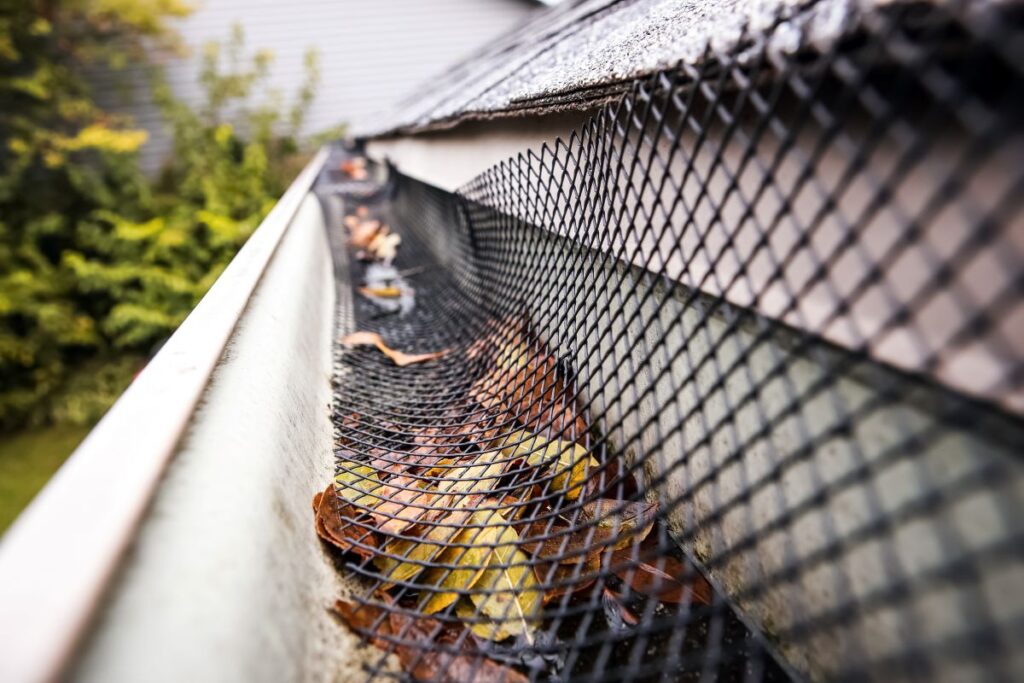
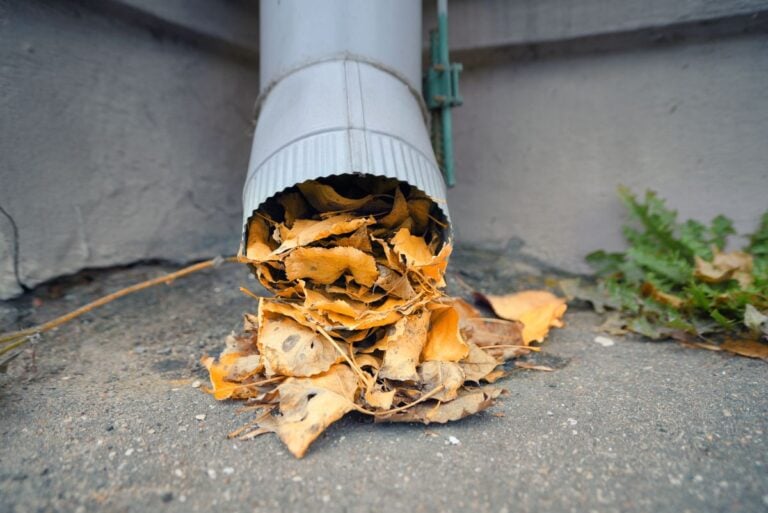
A clogged gutter forces water to find another path, and that path almost always leads somewhere expensive. Overflowing water saturates the ground around the foundation, seeps behind siding, rots fascia boards, and creates ideal conditions for mold growth. Gutter guards interrupt this cycle by keeping debris out of the channel where water needs to flow freely. We consistently recommend guards for any home surrounded by mature trees or located in regions with heavy seasonal rainfall.
- Foundation protection: Properly draining gutters direct water away from the foundation, preventing cracks and basement seepage.
- Roof and fascia preservation: Guards keep moisture from backing up under shingles and rotting the wooden fascia boards behind the gutters.
- Pest deterrence: Clean, dry gutters discourage mosquitoes, termites, carpenter ants, and rodents from nesting near the home.
- Reduced ice dam risk: In colder regions, free-flowing gutters drain meltwater before it can refreeze and force water under shingles.
How Often Gutter Guards Reduce Cleaning Needs
Without guards, most homes require gutter cleaning at least twice a year, and properties surrounded by trees often need quarterly attention. Climbing ladders to scoop wet debris is dangerous, time-consuming, and easy to put off until problems appear. Quality gutter guards reduce cleaning frequency dramatically, although no guard eliminates maintenance entirely. We always set realistic expectations with homeowners so they understand what kind of upkeep their chosen system will still require.
- Annual rinsing: Most guard styles still benefit from a yearly rinse to remove fine debris and pollen buildup.
- Periodic inspection: We recommend inspecting guards each spring and fall to catch any displaced sections or accumulated debris on top.
- Tree-heavy properties: Homes surrounded by oak, maple, or pine trees may still require occasional brushing of the guard surface.
- Storm follow-up: After major storms, a quick visual check ensures no large debris is blocking the guard or downspout openings.
5 Best Gutter Guards for Residential Homes
Not every gutter guard performs the same, and the right choice depends on the home’s environment, budget, and roof design. Below are the five most effective gutter guard types we recommend, along with the strengths and considerations that come with each one. Understanding these options helps homeowners make a confident, informed decision.
1. Micro-Mesh Gutter Guards
Micro-mesh guards use a fine stainless steel mesh over a sturdy frame to block even the smallest debris while allowing water to pass through. They are widely considered the gold standard for filtration because the tight mesh prevents shingle grit, pine needles, and pollen from entering the gutter channel. We often recommend micro-mesh systems for homes with heavy tree coverage or homeowners who want the most thorough debris protection available.
- Best for: Homes surrounded by mature trees, properties in regions with heavy pollen or pine needle fall, and homeowners seeking the lowest-maintenance option.
- Material durability: Stainless steel mesh resists rust, corrosion, and ultraviolet degradation, often lasting twenty years or more.
- Water flow capacity: High-quality micro-mesh handles heavy downpours when properly pitched and installed.
- Cost consideration: Higher upfront cost compared to other styles, but the long lifespan and minimal maintenance often justify the investment.
2. Reverse Curve Gutter Guards
Reverse curve guards use the principle of surface tension to direct water around a curved nose and into the gutter while debris falls off the edge. These solid covers leave only a small slit for water entry, which makes them effective at keeping out leaves and large debris. We have installed reverse curve systems on many homes where homeowners want a sleek appearance combined with reliable performance during typical rainfall.
- Best for: Homes with moderate tree coverage and rooflines where a low-profile, solid-cover appearance is preferred.
- Visual integration: The solid surface blends well with the roofline and is barely visible from the ground.
- Heavy rain performance: Excellent for moderate to heavy rain, though extremely intense downpours may overshoot the curved edge.
- Pine needle limitation: Small needles can occasionally get stuck in the slit opening and require periodic cleaning.
3. Screen Gutter Guards
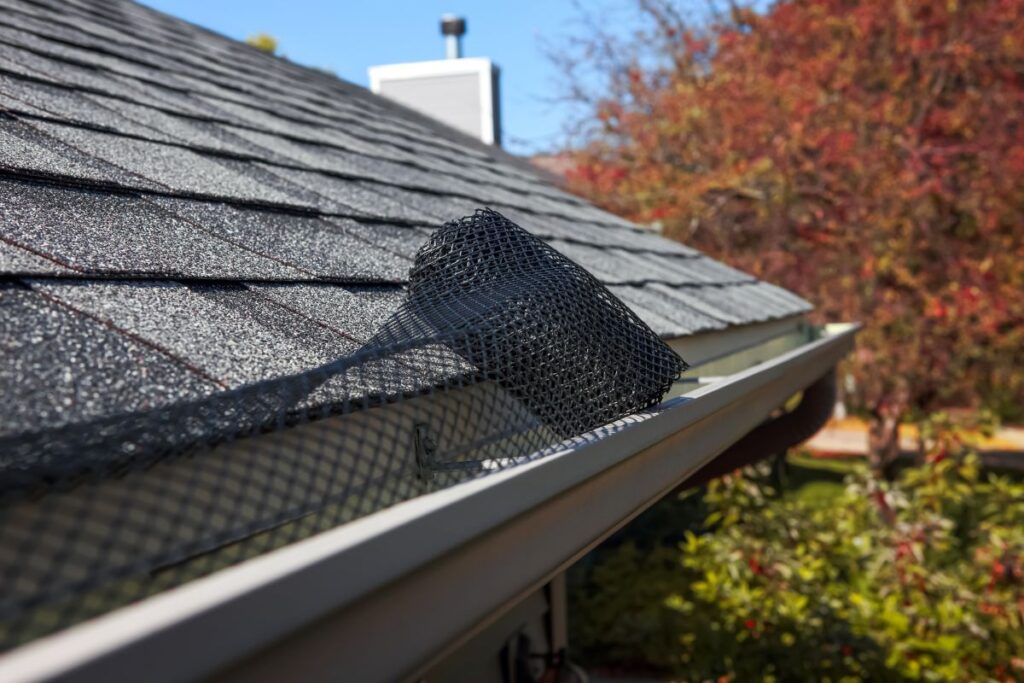
Screen guards are one of the most affordable options on the market, using a perforated metal or plastic screen that sits over the top of the gutter. While they do not filter as finely as micro-mesh, they do an effective job of keeping out larger debris like leaves and twigs. We often suggest screens for budget-conscious homeowners or for properties without significant tree coverage where premium filtration is unnecessary.
- Best for: Budget-conscious homeowners, rental properties, and homes with limited surrounding trees or vegetation.
- Installation simplicity: Screens are typically the easiest style to install and can sometimes be a do-it-yourself project.
- Debris filtration: Effective against leaves and larger debris, but small particles like pine needles can slip through.
- Lifespan: Plastic versions degrade faster under sun exposure, while metal screens generally last longer with proper care.
4. Foam Gutter Guards
Foam guards are wedge-shaped pieces of porous foam that fit directly inside the gutter channel, allowing water to seep through while blocking debris from settling at the bottom. They are inexpensive and easy to install, although they generally do not last as long as metal-based systems. We sometimes recommend foam as a short-term solution or for homeowners who want a lower-cost option for rental or secondary properties.
- Best for: Temporary debris protection, rental properties, and homeowners testing whether guards make a meaningful difference.
- Installation ease: No tools or professional installation required, making foam one of the simplest options available.
- Lifespan reality: Foam tends to break down within a few years and may need replacement sooner than other styles.
- Mold concern: Foam can hold moisture and develop mold or mildew over time, especially in shaded areas.
5. Brush Gutter Guards
Brush guards look like large bottle brushes that sit inside the gutter channel, with bristles trapping debris while water flows around and through them. They are easy to install and can be cut to fit, which makes them adaptable to nearly any gutter shape. We sometimes recommend brush guards for homeowners who want a quick, low-commitment option, although they typically require more frequent cleaning than premium systems.
- Best for: Homeowners who want a fast, affordable upgrade without committing to a higher-end system.
- Adaptability: Brushes can be trimmed to fit irregular gutter sections and corners with minimal effort.
- Maintenance reality: Trapped debris on the bristles requires periodic removal to keep water flowing freely.
- Cost advantage: Among the most affordable options, especially for homeowners covering large gutter runs.
How to Choose the Right Gutter Guard for Your Home
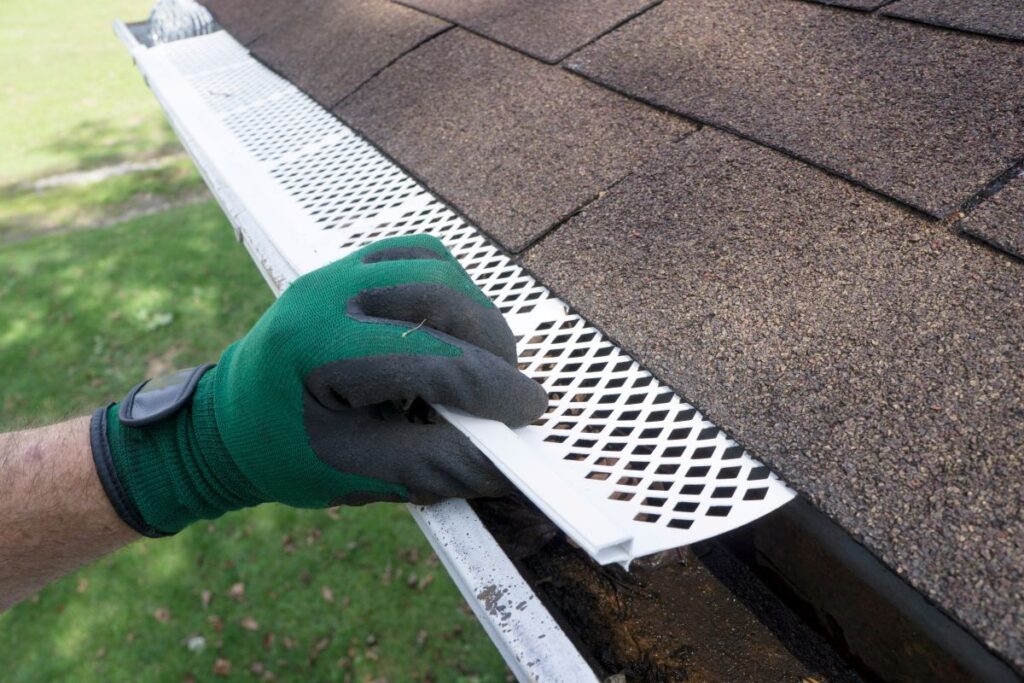
Selecting the right gutter guard goes beyond comparing product features. The best system for one home may be the wrong choice for another, and understanding the variables helps homeowners avoid costly mistakes. We always start by evaluating the property as a whole before recommending any specific product.
Evaluating Climate, Trees, and Roof Design
The local climate, surrounding vegetation, and roof slope all influence how a gutter guard will perform over time. Homes in heavily wooded areas need finer filtration, while homes in dry climates can sometimes get by with simpler systems. Roof pitch also matters because steeper slopes carry water faster and require guards that can keep up with high flow rates. Taking time to assess these factors upfront ensures the chosen system performs reliably for years.
- Tree species nearby: Pine, oak, and maple trees each shed different debris that some guards handle better than others.
- Annual rainfall: Homes in high-rainfall regions need guards with proven heavy-flow performance.
- Roof pitch and length: Steeper, longer roofs generate faster, higher-volume runoff that some guard styles cannot accommodate.
- Snow and ice exposure: Cold-climate homes benefit from rigid, heated, or ice-resistant guard systems.
Budget, Lifespan, and Long-Term Value
Price is rarely the only factor that matters when choosing gutter guards. A cheaper option that needs replacement in three years often costs more in the long run than a premium system that lasts twenty. We help homeowners evaluate the full lifetime cost of each option, including installation, expected lifespan, and maintenance requirements, so they can make a financially sound decision. The best value typically comes from balancing upfront cost with proven durability.
- Initial investment: Higher-quality guards cost more upfront but typically include longer warranties and better materials.
- Maintenance frequency: Lower-maintenance guards reduce cleaning costs and the risk of ladder accidents over time.
- Warranty coverage: Premium systems often come with lifetime or transferable warranties that protect the investment.
- Resale impact: Quality gutter protection can be a selling point for future buyers, especially in tree-heavy neighborhoods.
Trust Capstone Roofing Inc. for Your Gutter Guard Installation
Choosing the best gutter guards is only half the equation. Proper installation makes the difference between a system that protects a home for decades and one that fails within a few seasons. At Capstone Roofing Inc., we bring deep experience evaluating roofs, gutters, and drainage systems, and we treat every project with the attention to detail that homeowners deserve. Our team takes the time to understand each property’s specific needs, recommend the right product for the situation, and install it with precision. We stand behind our workmanship because we believe homeowners should feel completely confident in the protection their home is getting. If you are ready to find the best gutter guards for your home and stop worrying about clogs, overflows, or water damage, we are here to help. Contact Capstone Roofing Inc. today for a free estimate and expert guidance from a team you can trust.




4.8 RATING

5.0 RATING

A+ RATING