

Built Up Roof: How BUR Works & 7 Pros and Cons
A built up roof system has been a trusted solution for commercial flat roofs for over a century, offering layered protection and long-term durability. For commercial property owners managing warehouses, office buildings, retail centers, or industrial facilities, BUR remains a viable option in 2026 thanks to its strength and proven performance.
- Multi-layer protection: Built up roofing uses alternating layers for enhanced durability.
- Flat roof compatibility: Designed specifically for low-slope and commercial structures.
- Long-standing reliability: A system with decades of performance history.
Understanding how a built up roof works and weighing its pros and cons can help commercial property owners determine whether it’s the right fit for their building.
What Is a Built Up Roof?
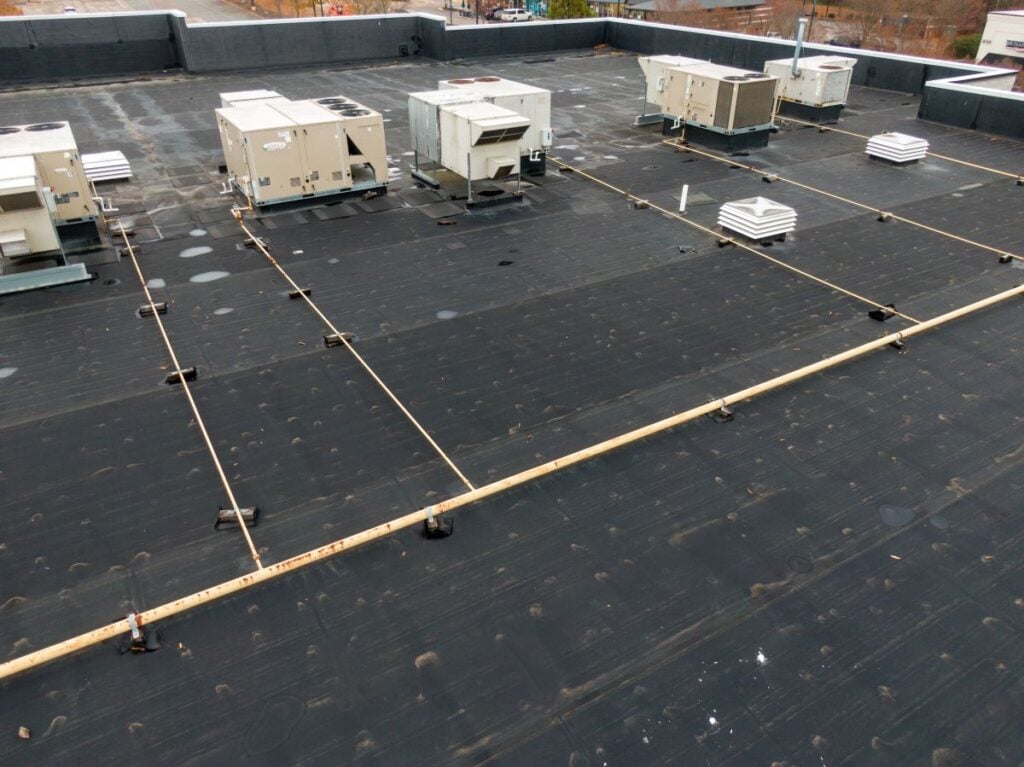
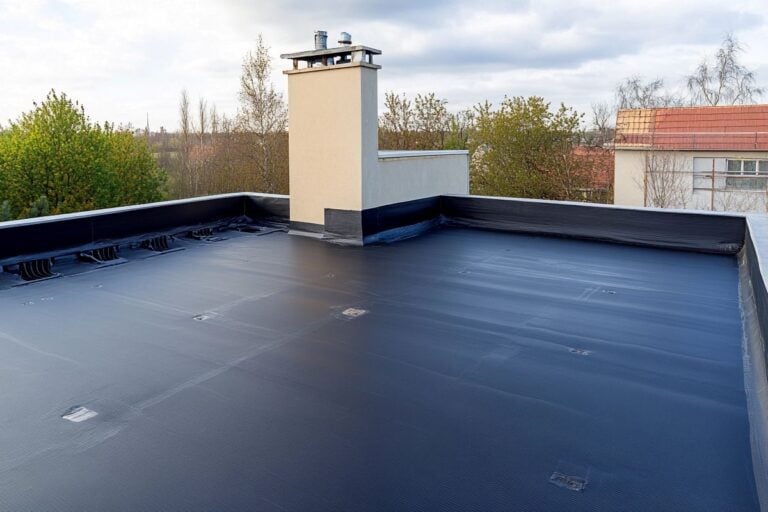
A built up roof, often abbreviated as BUR, is a multi-layer roofing system composed of alternating layers of bitumen and reinforcing fabrics. These layers are applied directly onto the roof deck to create a continuous, waterproof membrane. The system is typically finished with a top layer of gravel or a mineral-surfaced cap sheet for added protection.
The layered construction is what gives BUR its name. Instead of relying on a single membrane, it builds protection through multiple plies. This redundancy provides added resistance to leaks and weather damage, which is why it has remained popular in commercial applications for decades.
How a Built Up Roof System Works
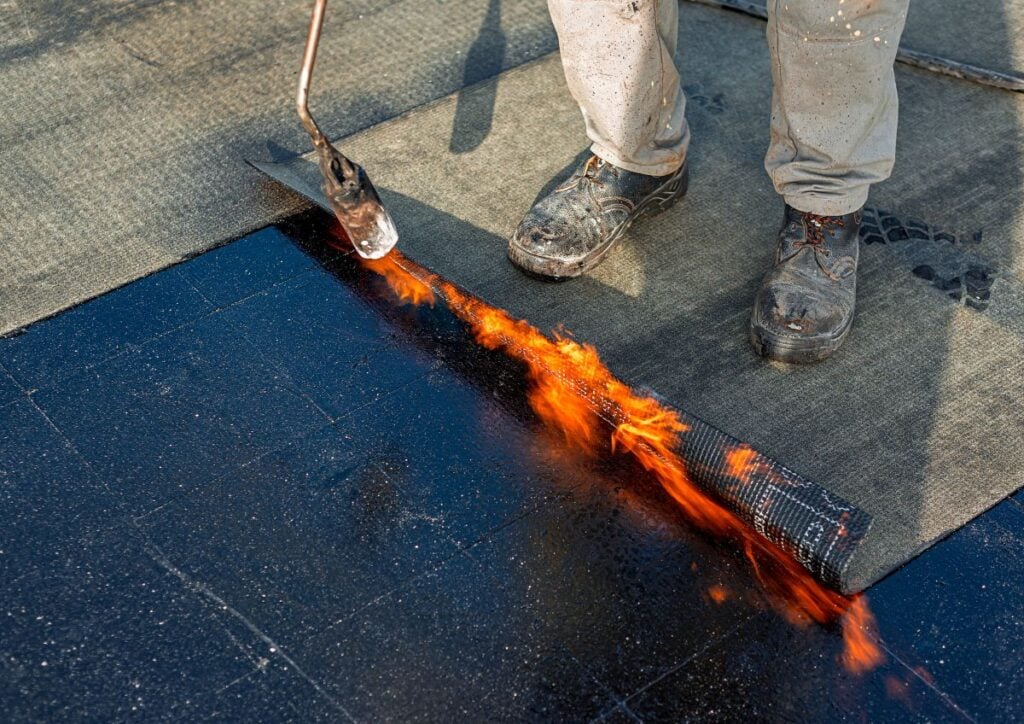
A BUR system works by combining strength and waterproofing through multiple interwoven layers. Hot asphalt or cold-applied adhesive bonds each layer together, creating a thick, durable membrane that protects the underlying structure.
The final gravel or aggregate layer shields the membrane from UV rays, physical impact, and foot traffic. This layered approach makes BUR particularly effective for flat or low-slope commercial roofs that may experience ponding water or rooftop equipment activity.
In 2026, modern BUR systems may incorporate improved materials and installation methods, but the basic principle remains the same: layered protection for long-term performance.
Where Built Up Roof Systems Are Commonly Used
Built up roofing is most commonly found on:
- Large commercial buildings
- Industrial facilities
- Warehouses and distribution centers
- Schools and government buildings
- Medical and institutional structures
Because BUR systems are heavy and layered, they are best suited for structures designed to support their weight. For large flat roofs, their durability and redundancy can be especially valuable.
7 Pros and Cons of a Built Up Roof
For commercial property owners evaluating roofing options, it’s important to weigh both advantages and limitations. Below are seven key considerations.
1. Pro: Excellent Waterproofing
- Multiple layers: Redundant plies reduce the chance of leaks.
- Strong sealing: Bitumen creates a continuous moisture barrier.
- Ponding resistance: Performs well in flat roof conditions.
The layered construction of a built up roof offers strong protection against water intrusion, especially compared to single-layer systems.
2. Pro: Long Lifespan
- Durable system: Many BUR roofs last 20 to 30 years or more.
- Heavy-duty protection: Gravel top layer shields against UV damage.
- Proven track record: Used successfully for over 100 years.
With proper maintenance, a built up roof can provide decades of reliable performance.
3. Pro: Strong UV Protection
- Reflective gravel surface: Reduces direct UV exposure.
- Protective top layer: Extends membrane life.
- Heat resistance: Performs well in sunny climates.
The aggregate surface acts as a protective shield, slowing degradation from sunlight.
4. Con: Heavier Weight
- Structural load: Requires strong roof decking and support.
- Not ideal for all buildings: May require reinforcement in older structures.
- Installation planning: Weight must be considered during design.
Because BUR systems are heavier than single-ply membranes, structural evaluation is essential.
5. Con: Installation Time
- Labor-intensive: Multiple layers require more installation time.
- Potential business disruption: Longer project timelines.
- Weather sensitivity: Installation may depend on dry conditions.
Compared to TPO or PVC systems, BUR typically requires more labor hours.
6. Con: Odor During Installation
- Hot asphalt fumes: Can create strong odors.
- Ventilation concerns: May impact nearby occupants.
- Scheduling considerations: Planning can minimize disruption.
Modern cold-applied options reduce this issue, but traditional systems can produce noticeable smells during installation.
7. Con: More Difficult Repairs
- Layered construction: Repairs can be more complex.
- Leak tracing: Water may travel between plies.
- Specialized expertise required: Repairs should be handled by experienced professionals.
While durable, diagnosing and repairing leaks in a built up roof can be more involved than patching a single-ply membrane.
Built Up Roof vs. Other Commercial Roofing Systems
Commercial property owners often compare BUR with TPO, PVC, or EPDM roofing systems. Each has its place depending on building design and operational needs.
- BUR vs. TPO: TPO is lighter and faster to install, but BUR offers thicker, layered protection.
- BUR vs. PVC: PVC provides superior chemical resistance, while BUR excels in durability and impact resistance.
- BUR vs. EPDM: EPDM is easier to repair, but BUR offers multi-layer redundancy.
The right choice depends on budget, structural capacity, energy goals, and long-term maintenance plans.
Maintenance Considerations for BUR Systems
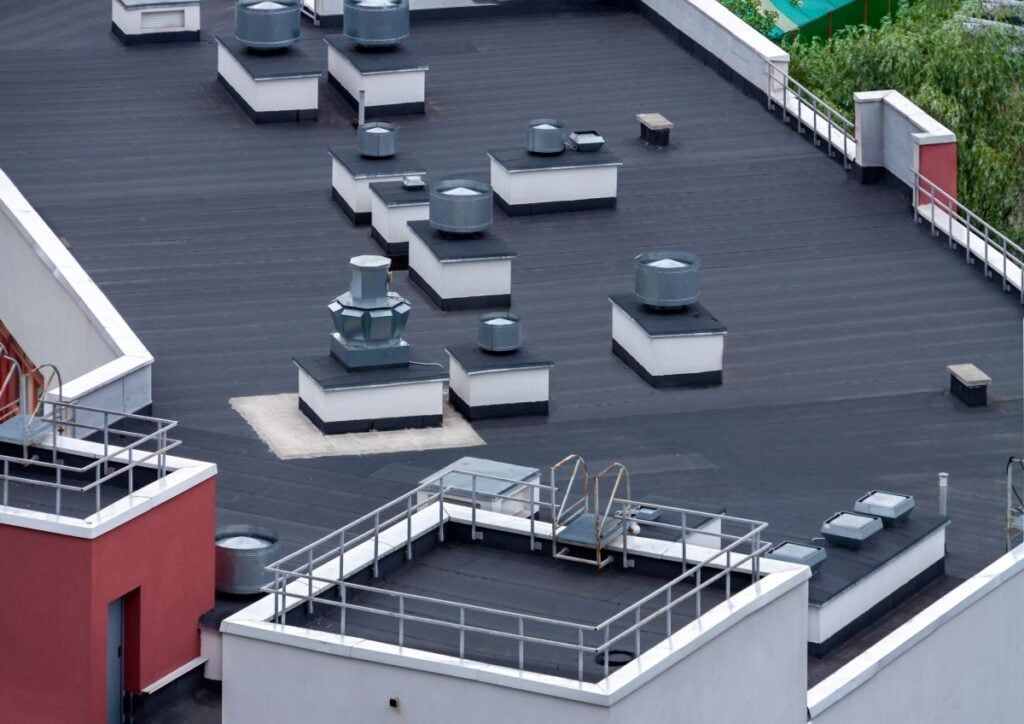
Routine inspections are critical for extending the life of a built up roof. Gravel displacement, flashing wear, and drainage issues should be addressed promptly. Regular maintenance helps prevent small issues from turning into costly structural repairs.
Ensuring proper drainage is especially important. Even though BUR handles ponding water better than some systems, standing water should still be minimized to preserve long-term integrity.
Is a Built Up Roof Right for Your Commercial Property?
A built up roof remains a reliable and durable option for commercial property owners in 2026. Its layered design offers strong waterproofing, UV protection, and long-term performance. However, its weight, installation time, and repair complexity should be carefully considered before making a decision.
Capstone Roofing Inc. works closely with commercial property owners to evaluate roofing systems and recommend the best solution for each building. Contact us today to schedule a free inspection and determine whether a built up roof is the right investment for your property.


4.8 RATING

5.0 RATING

A+ RATING