

Commercial Flat Roof Repair: What the Process Looks Like
Commercial flat roof repair is a specialized process that requires deep knowledge of membrane systems, drainage, and the specific challenges that flat roofs face year after year. At Capstone Roofing Inc., we have completed countless commercial flat roof repairs and understand exactly what it takes to deliver a fix that lasts. Flat roofs do not shed water the way pitched roofs do, and that fundamental difference shapes everything about how repairs are diagnosed, planned, and executed. Property owners who understand the repair process can communicate more effectively with their roofing partner and make better decisions about timing, scope, and long-term care.
In this guide, we walk through what commercial flat roof repair actually looks like from the first call to the final inspection. We will cover:
- The common causes of flat roof problems: A clear breakdown of what tends to go wrong on commercial flat roofs and why.
- The step-by-step repair process: Each phase of the repair process, from initial diagnosis through final verification.
- How to plan for long-term performance: What property owners can do to extend the life of a repaired roof.
Why Commercial Flat Roof Repair Requires a Different Approach
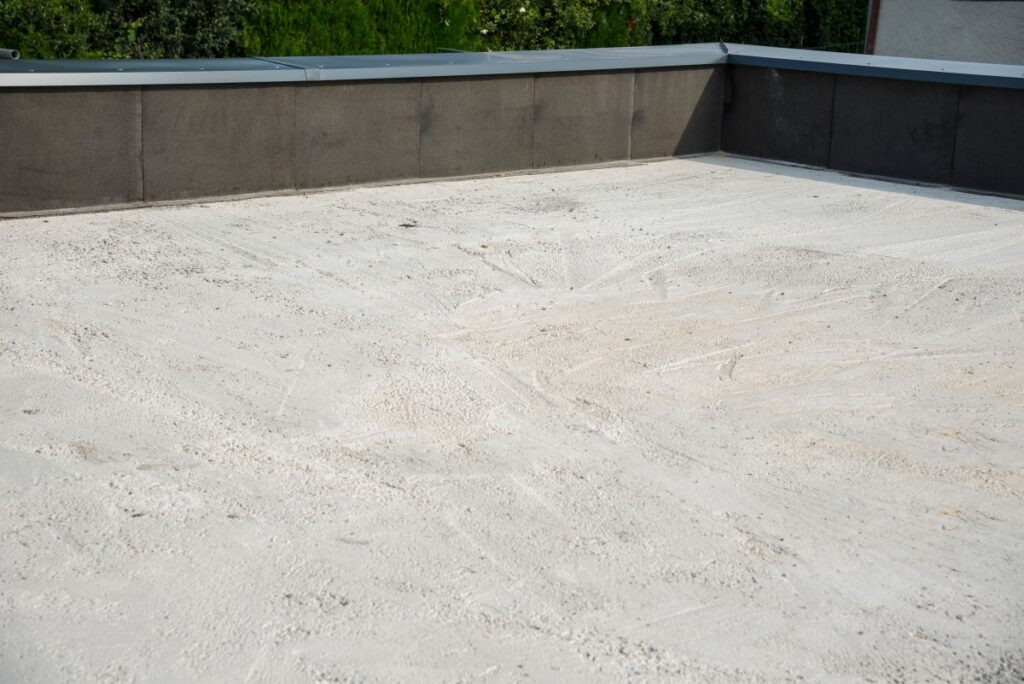
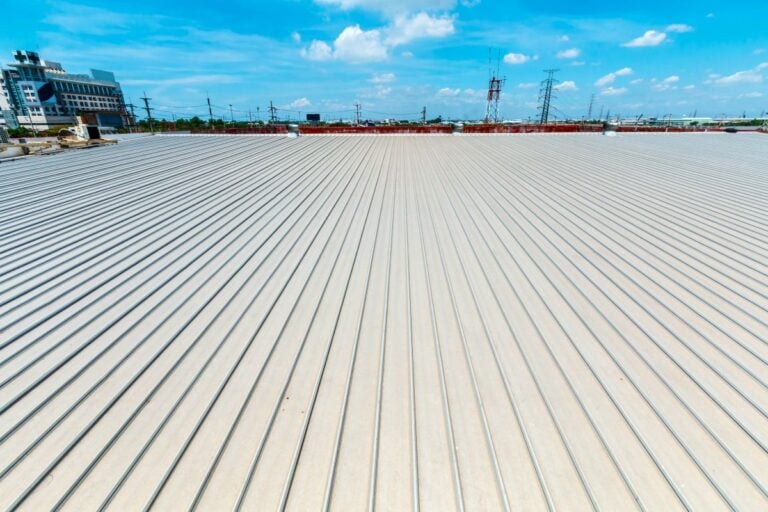
Commercial flat roofs operate under fundamentally different conditions than pitched residential roofs. They use single-ply membranes, modified bitumen, or built-up systems rather than shingles, they handle large surface areas with minimal slope, and they manage drainage through internal drains, scuppers, and gutters rather than relying solely on roof pitch. These differences mean that flat roof repair requires specialized knowledge and techniques that are not transferable from residential work. We have seen the consequences of repairs done without this expertise, and the results almost always require redoing the work the right way.
Common Causes of Commercial Flat Roof Problems
Most commercial flat roof issues trace back to a relatively small set of common causes. Understanding what tends to go wrong helps property owners recognize problems early and have informed conversations with their roofing partner. We always start every repair conversation by identifying the underlying cause, since fixing only the symptom rarely delivers a lasting result.
- Ponding water: Standing water that does not drain properly accelerates membrane breakdown and creates leaks over time.
- Failed seams: Seams between membrane sections can separate as adhesives age or heat welds weaken.
- Damaged flashings: Flashings around HVAC units, vents, drains, and parapet walls are common leak entry points.
- Punctures and tears: Foot traffic, dropped tools, and falling debris can puncture or tear membrane surfaces.
Why Quick Action Protects the Building
Flat roof problems rarely stay isolated. Once water finds a path into a flat roof system, it tends to spread along the underside of the membrane, through insulation seams, and across the deck before eventually showing up as an interior leak. Acting quickly limits the spread of damage and reduces the cost and complexity of the repair. We always urge property owners to address flat roof issues as soon as they become apparent, since waiting almost always makes the problem worse.
- Limited water migration: Quick repairs stop water before it spreads through insulation and across decking.
- Reduced interior damage: Fast action prevents ceiling stains, damaged inventory, and business interruption.
- Lower repair costs: Small, contained leaks are far less expensive to fix than widespread damage.
- Preserved roof lifespan: Prompt repairs extend the useful life of the entire roofing system.
6 Steps in the Commercial Flat Roof Repair Process
A professional commercial flat roof repair follows a clear sequence designed to identify the true cause of the problem and deliver a lasting fix. Below are the six steps we follow on every repair project. Each step plays an essential role in ensuring the work addresses the actual issue rather than just the visible symptom.
1. Initial Inspection and Diagnosis
The repair process begins with a thorough inspection to identify exactly what is happening on the roof. Trained eyes look at membrane condition, drainage performance, flashing integrity, and any signs of moisture intrusion. According to the National Roofing Contractors Association, ponding water in excess of 48 hours can be detrimental to the roof assembly, so identifying and addressing drainage problems is often a key part of the diagnostic stage. We document our findings carefully and explain everything we discover in plain language so property owners understand the full picture before any work begins.
- Roof surface evaluation: Detailed examination of the membrane, seams, and surface for visible damage.
- Drainage assessment: Inspection of drains, scuppers, gutters, and ponding water locations.
- Flashing and penetration checks: Close examination of all roof penetrations and flashing details.
- Interior verification: Confirmation of interior leak locations to help trace the water path.
2. Locating the True Source of the Problem
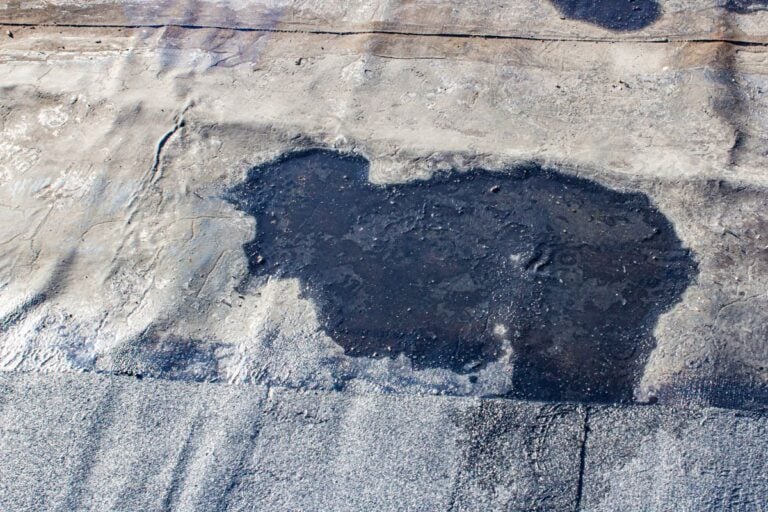
One of the most important steps in flat roof repair is finding the actual source of any leak. Water rarely enters a building directly above where it appears inside, since it tends to travel along the underside of the membrane before finding an exit point. We use a methodical process that may include moisture scanning, smoke testing, or careful visual inspection to identify the true leak source. Getting this step right is what separates lasting repairs from temporary patches.
- Trace water migration: Follow the path of water from the interior leak back to the actual roof entry point.
- Moisture scanning: Use infrared or capacitance scanning equipment when needed to find hidden moisture areas.
- Penetration prioritization: Focus on roof penetrations, seams, and edges where most leaks originate.
- Multiple source verification: Confirm whether the problem is one leak or several smaller ones combined.
3. Developing a Detailed Repair Plan
Once the problem is fully identified, the next step is developing a clear, written repair plan that outlines exactly what will be done, what materials will be used, and what the project will cost. A thorough repair plan addresses both the immediate issue and any underlying conditions that contributed to the problem. We always present the plan to property owners before any work begins so they can ask questions and approve the scope with full understanding.
- Detailed scope of work: Clear documentation of every aspect of the repair that will be performed.
- Material specifications: Specific products and quantities listed so property owners know exactly what is being used.
- Project timeline: Realistic schedule that accounts for weather, material availability, and crew scheduling.
- Transparent pricing: Clear cost breakdown with no surprises during or after the project.
4. Preparing the Repair Area
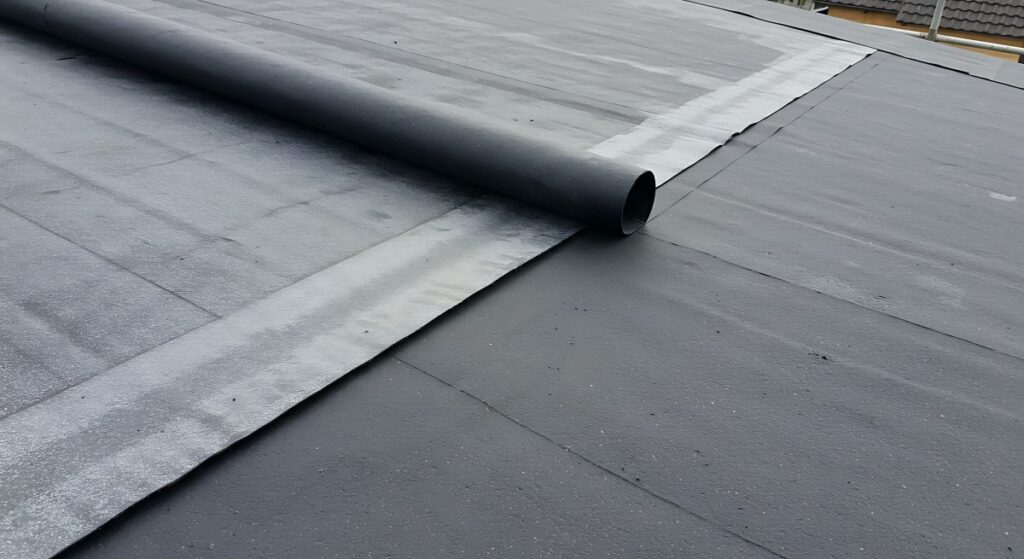
Proper preparation is essential to a lasting flat roof repair. The repair area needs to be cleaned, dried, and made ready to accept new materials. Skipping or rushing this step is one of the most common reasons repairs fail prematurely. We take the time to prepare every repair area thoroughly, since the quality of the preparation directly affects how long the repair will last.
- Debris removal: Clear all dirt, leaves, gravel, and loose material from the repair area.
- Surface drying: Ensure the membrane and surrounding area are completely dry before applying any repair material.
- Membrane cleaning: Clean the surface with manufacturer-approved solvents or cleaners as needed.
- Damage removal: Cut away any damaged or compromised membrane sections before applying new material.
5. Completing the Repair With the Right Materials
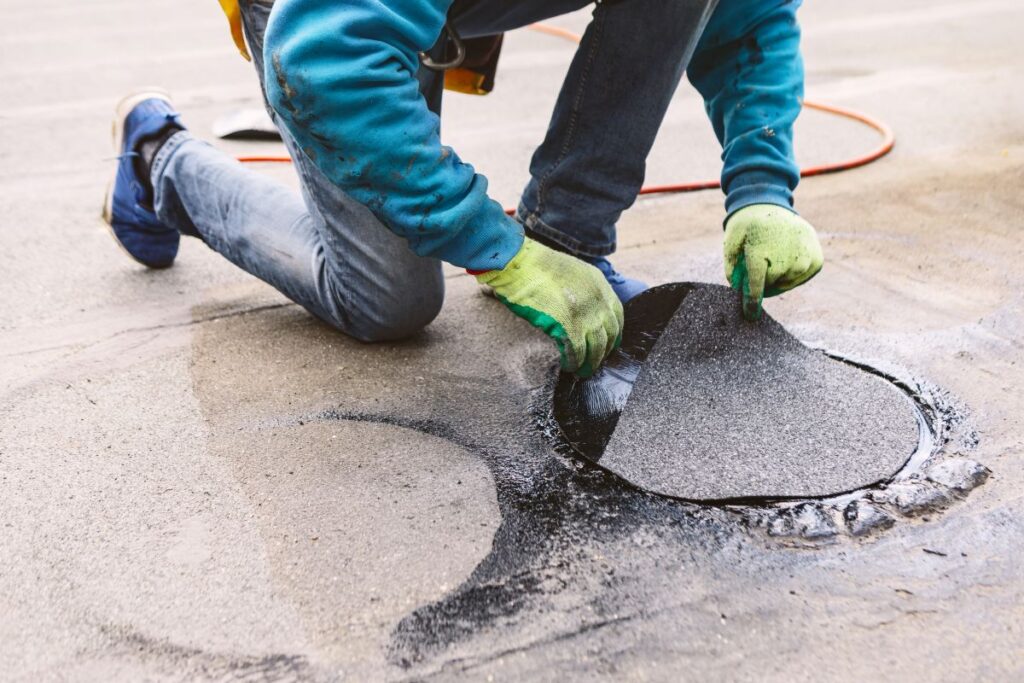
The actual repair work uses materials specifically matched to the existing roof system. Different membrane types require different repair products and techniques, and using the wrong material can damage the surrounding roof or cause the repair to fail. We always use manufacturer-approved materials and follow installation methods that protect both the repair and any existing warranty coverage.
- Membrane-specific products: Use repair materials designed for the specific membrane type, whether TPO, EPDM, PVC, or modified bitumen.
- Proper installation methods: Apply heat welding, adhesives, or other techniques as required by the membrane manufacturer.
- Reinforced patches: Use appropriate reinforcement and overlap for repairs that will hold up to weather and time.
- Quality control: Verify each repair is properly sealed, bonded, and ready for service before moving on.
6. Final Inspection and Documentation
The repair process ends with a thorough final inspection and complete documentation of the work that was done. We walk the roof to confirm every repair is sound, photograph the completed work, and provide a detailed report to the property owner. This documentation supports both warranty coverage and future maintenance planning, and it gives property owners confidence that the work was done correctly.
- Repair verification: Walk every repair area to confirm proper installation and complete sealing.
- Photo documentation: Detailed before-and-after photos of every repair for records and warranty purposes.
- Written report: Complete documentation of the work performed, materials used, and any recommendations for future maintenance.
- Warranty information: Clear documentation of any warranty coverage that applies to the repair work.
Long-Term Care After a Commercial Flat Roof Repair
A successful repair is only part of the equation. The right ongoing care extends the life of both the repair and the surrounding roof, protecting the property owner’s investment over the long term. We always discuss long-term care with property owners after completing a repair so they know exactly what to expect.
Maintenance Practices That Extend Roof Life
Routine maintenance is the single most effective way to extend the life of a commercial flat roof. Property owners who commit to a maintenance schedule typically see significantly longer roof lifespans and far fewer emergency repairs. We help property owners develop maintenance programs that match their building’s specific needs and budget.
- Biannual inspections: Schedule professional roof inspections in spring and fall plus after any major storm.
- Drainage maintenance: Keep drains, scuppers, and gutters clear of debris year-round.
- Prompt repairs: Address minor issues quickly before they grow into major problems.
- Documentation: Maintain records of all inspections, repairs, and maintenance activities.
Frequently Asked Questions About Commercial Flat Roof Repair
Commercial property owners often have similar questions about flat roof repair. Below are direct answers to the questions we hear most often. These answers reflect general industry guidance and can be tailored to specific buildings during a professional consultation.
How Long Does Commercial Flat Roof Repair Take?
Most commercial flat roof repairs take between a few hours and a full day depending on the size of the repair area, the membrane type, and the complexity of the work. Larger repairs involving extensive membrane replacement or structural issues may take several days or longer. We always provide a clear timeline expectation before any work begins so property owners can plan around the project.
- Small repairs: A few hours for localized patches or seam repairs.
- Moderate repairs: A full day for multiple repair points or larger membrane sections.
- Extensive repairs: Several days or more for significant membrane replacement or structural work.
- Weather impact: Rain or extreme temperatures may extend timelines as proper installation requires suitable conditions.
How Much Does Commercial Flat Roof Repair Cost?
The cost of commercial flat roof repair varies significantly based on roof size, membrane type, the extent of the damage, accessibility, and the scope of work needed. Minor repairs typically run a few hundred to a few thousand dollars, while extensive repairs can cost considerably more. We always provide clear, written estimates so property owners know exactly what to expect before any work begins.
- Minor repairs: Small patches, seam fixes, or flashing repairs typically fall in the lower cost range.
- Moderate repairs: Larger areas, multiple repair points, or drainage work fall in the middle range.
- Extensive work: Significant membrane replacement or structural repairs can be much more expensive.
- Variable factors: Membrane type, roof access, and the underlying cause all influence final cost.
Can a Commercial Flat Roof Be Repaired Instead of Replaced?
Yes, most commercial flat roof issues can be addressed through repair rather than full replacement, especially when the underlying roof system is still in good condition with significant useful life remaining. Replacement typically becomes the better choice when damage is widespread, the membrane is at the end of its lifespan, or repeated repairs are no longer cost-effective. We always evaluate each roof individually and recommend the option that delivers the best long-term value.
- Repair appropriate: Localized damage on a roof with significant remaining lifespan.
- Replacement preferred: Widespread damage, end-of-life membranes, or repeatedly failing repairs.
- Cost comparison: Repeated repairs on an aging roof often cost more than a single replacement over time.
- Professional guidance: A thorough inspection helps determine which option makes the most sense.
Trust Capstone Roofing Inc. for Commercial Flat Roof Repair
A commercial flat roof represents a significant investment, and protecting it requires a roofing partner who understands the specialized challenges of flat roof systems. At Capstone Roofing Inc., we bring deep commercial flat roof experience to every repair project and treat each property with the same care we would give our own. Our team takes time to thoroughly diagnose problems, develop clear repair plans, and complete the work with materials and techniques that deliver lasting results. We pride ourselves on honest assessments, transparent pricing, and craftsmanship that protects commercial properties for the long term. If your commercial property is experiencing flat roof issues or you want a professional evaluation of your current roofing system, we are here to help. Contact Capstone Roofing Inc. today for a free inspection and expert guidance from a team you can trust.


4.8 RATING

5.0 RATING

A+ RATING