

Commercial Roof Maintenance Plan: 7 Must-Have Steps
A proactive commercial roof maintenance plan is one of the most effective ways to protect your building, control long-term costs, and avoid unexpected disruptions. For commercial property owners, waiting until a problem appears often leads to more expensive repairs and operational downtime.
- Protect your investment: Regular maintenance extends roof lifespan and preserves property value.
- Reduce repair costs: Early detection prevents minor issues from becoming major problems.
- Maintain business continuity: Prevent leaks that can disrupt tenants, equipment, or operations.
A well-structured maintenance plan keeps your commercial roofing system performing as intended year after year.
Why a Commercial Roof Maintenance Plan Matters
Commercial roofing systems are designed to last for decades, but only when they are properly maintained. Flat and low-slope roofs are especially vulnerable to issues like ponding water, membrane damage, and flashing failures. Without routine inspections and upkeep, these problems can go unnoticed until significant damage occurs.
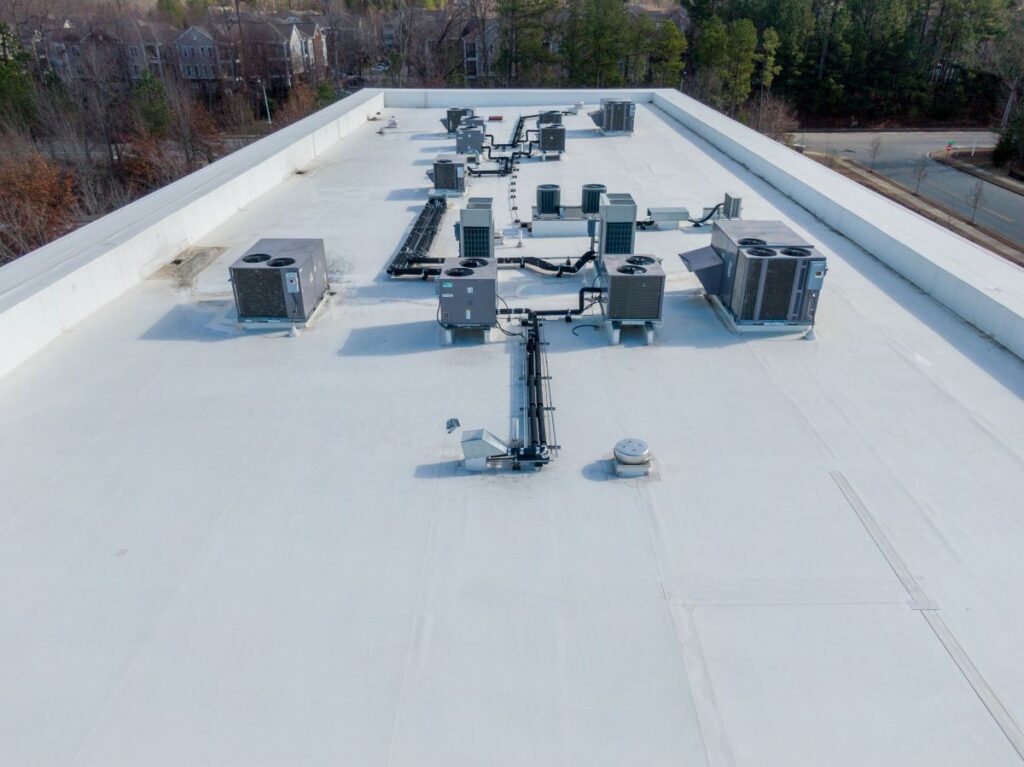
Unlike residential roofs, commercial roofs often support HVAC systems, walkways, and other equipment. This added traffic increases wear and tear, making maintenance even more important. A structured plan helps property owners stay ahead of potential issues and maintain compliance with warranties and insurance requirements.
What a Strong Maintenance Plan Should Include
An effective commercial roof maintenance plan goes beyond occasional inspections. It includes scheduled evaluations, documentation, preventative care, and a clear response strategy for repairs.
Consistency is key. Property owners who follow a structured maintenance routine typically see longer roof lifespans, fewer emergency repairs, and lower overall costs.
7 Must-Have Steps in a Commercial Roof Maintenance Plan
The following seven steps form the foundation of a reliable maintenance strategy for commercial roofing systems.
1. Schedule Biannual Professional Inspections
Regular inspections are the cornerstone of any maintenance plan. Most commercial roofs should be inspected at least twice per year, typically in the spring and fall.
- Early issue detection: Identifies small problems before they escalate.
- Seasonal preparation: Ensures the roof is ready for extreme weather.
- Documentation: Provides records for warranty and insurance purposes.
Professional inspections should also be performed after major storms or extreme weather events.
2. Keep Drains, Scuppers, and Gutters Clear
Proper drainage is critical for flat and low-slope roofs. Blocked drains can lead to ponding water, which increases the risk of leaks and structural stress.
- Remove debris regularly: Leaves, dirt, and trash can clog drainage systems.
- Check downspouts: Ensure water flows freely away from the building.
- Prevent ponding: Standing water accelerates membrane deterioration.
Maintaining clear drainage paths is one of the simplest and most effective ways to protect your roof.
3. Inspect Flashing and Roof Penetrations
Flashing and penetrations are among the most common sources of leaks. These areas require careful attention during routine maintenance.
- Check seals: Ensure flashing around vents and equipment remains watertight.
- Look for separation: Movement can cause gaps over time.
- Monitor wear: Aging materials may need resealing or replacement.
Addressing issues early prevents water from entering the roofing system.
4. Monitor Roof Membrane Condition
The roof membrane is your primary defense against the elements. Regular inspections help identify signs of wear before they lead to leaks.
- Check for cracks or punctures: Often caused by foot traffic or debris.
- Inspect seams: Weak or separating seams can allow water intrusion.
- Look for blistering: Indicates trapped moisture or material failure.
Maintaining membrane integrity is essential for long-term performance.
5. Manage Rooftop Traffic and Equipment
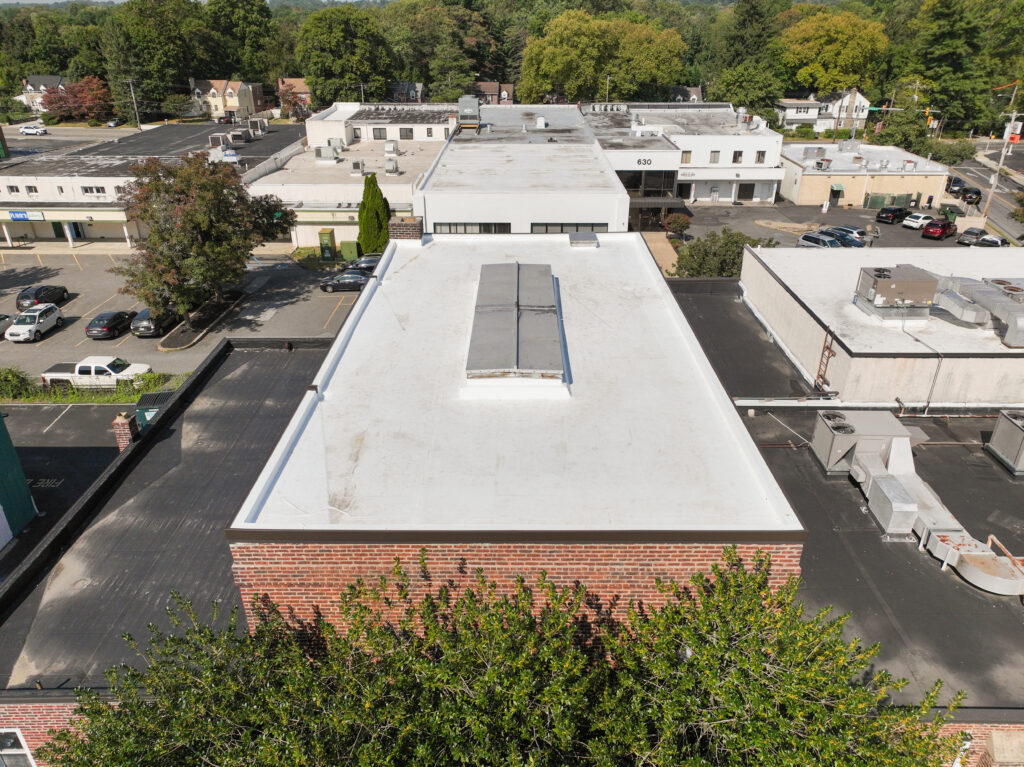
Commercial roofs often see regular foot traffic from maintenance crews and service providers. Without proper management, this can lead to damage.
- Designate walk paths: Reduces wear on critical areas.
- Inspect around equipment: HVAC units and other systems can cause damage.
- Limit unnecessary access: Reduces risk of accidental punctures.
Controlling traffic helps preserve the roof’s surface and prevent avoidable damage.
6. Address Repairs Promptly
Delaying repairs is one of the most costly mistakes property owners can make. Small issues often escalate quickly if left unaddressed.
- Fix minor leaks early: Prevents interior damage and insulation issues.
- Replace damaged materials: Avoids further deterioration.
- Document repairs: Keeps maintenance records up to date.
Prompt action reduces long-term repair costs and extends roof lifespan.
7. Maintain Detailed Records and Documentation
A well-documented maintenance history provides valuable insights into your roof’s condition and performance.
- Inspection reports: Track changes over time.
- Repair logs: Record all work performed.
- Warranty compliance: Ensure maintenance requirements are met.
Proper documentation supports insurance claims and helps property owners make informed decisions about future repairs or replacement.
How a Maintenance Plan Reduces Long-Term Costs
Investing in a commercial roof maintenance plan may seem like an added expense, but it often results in significant cost savings over time. Preventative maintenance reduces the likelihood of major repairs, extends roof lifespan, and minimizes disruptions to business operations.
For property owners managing multiple buildings, a consistent maintenance strategy also simplifies budgeting and forecasting. Instead of dealing with unexpected emergencies, maintenance allows for planned and predictable expenses.
Signs Your Maintenance Plan Needs Improvement
If your current approach is reactive rather than proactive, it may be time to update your plan. Warning signs include:
- Frequent leaks or recurring issues
- Lack of inspection records
- Poor drainage or standing water
- Visible membrane damage
- Rising repair costs year after year
A structured plan helps eliminate these issues and improve overall roof performance.
How a Professional Partner Supports Your Maintenance Plan
Working with an experienced commercial roofing contractor ensures your maintenance plan is thorough and effective. Professionals understand the unique challenges of different roofing systems and can identify issues that may not be visible during a basic inspection.
They also provide consistent documentation, expert repair recommendations, and guidance on long-term planning. For commercial property owners, having a trusted partner simplifies maintenance and ensures your roof remains in top condition.
Build a Strong Commercial Roof Maintenance Plan
A well-executed commercial roof maintenance plan is essential for protecting your building, reducing costs, and ensuring long-term performance. By following these seven key steps, commercial property owners can stay ahead of potential problems and avoid costly disruptions.
Capstone Roofing Inc. works with commercial property owners to develop customized maintenance plans that protect their investments. Contact us today to schedule a free inspection and keep your roof performing at its best year-round.


4.8 RATING

5.0 RATING

A+ RATING