

Cost Of Metal Roof vs Shingle: Which Is More Affordable?
Choosing a new roof is one of the most significant investments you will make as a homeowner. Whether you are weighing immediate affordability against long-term value, you are likely asking the same question: how does the cost of metal roof vs shingle actually compare, and is the higher upfront investment worth it?
To find the right answer for your property, it helps to look beyond the initial price and consider the “Total Cost of Ownership.” While asphalt shingles offer excellent budget flexibility for short-term needs, metal roofing acts as a permanent structural upgrade. Over a 50-year horizon, a single metal installation can often be more cost-effective than the multiple replacements and ongoing maintenance required by shingle systems.
This guide explores the financial landscape of your roofing choices, breaking down the true cost of metal roof vs shingle alongside energy dividends, resilience, and resale value. By evaluating these key factors, you can determine which material offers the best return on investment and provides the lasting protection your home deserves.
Key Takeaways
- Upfront vs. Lifetime Value: While asphalt shingles are more affordable initially, metal roofs offer superior longevity (40–70 years), often making the cost of metal roof vs shingle favor metal when viewed over a 50-year horizon.
- Energy Efficiency: Metal roofing reflects solar heat and can reduce summer cooling costs by 10–25%, providing long-term dividends that help offset the higher installation price.
- Resale & ROI: A metal roof can increase your home’s perceived value and offers a higher ROI at resale, helping your property stand out in competitive markets.
- Maintenance Advantage: Metal roofs resist rot, mildew, and storm damage, leading to fewer repairs and lower long-term maintenance costs compared to asphalt shingles.
- Total Cost Analysis: When deciding between materials, consider the “Total Cost of Ownership”—including installation, energy savings, maintenance, and potential resale value—rather than just the starting cost of metal roof vs shingle.
Let’s break down the differences in affordability and help determine which roofing option might be best for your home.
Understanding The Upfront Cost Differences
One of the most immediate ways homeowners compare the cost of metal roof vs shingle is by looking at the initial installation expenses. This includes both material and labor, which can vary depending on the roof’s size, slope, and complexity.
To get the most accurate estimate for your specific property, having a qualified contractor from Capstone Roofing assess these structural details is highly recommended.
Asphalt Shingle Roof Costs
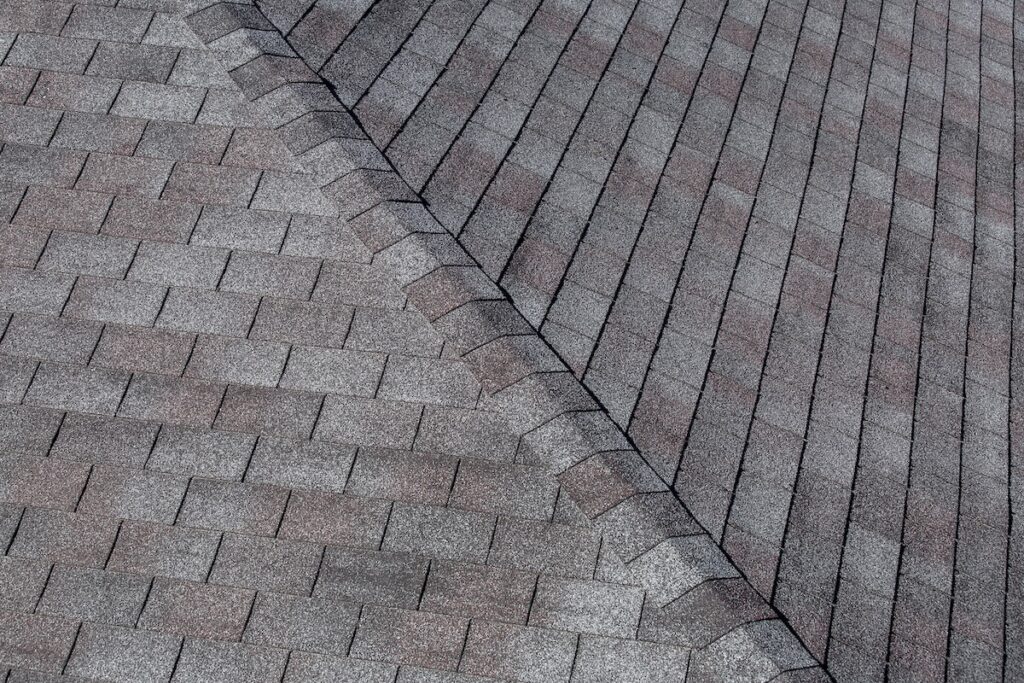
When evaluating the cost of metal roof vs shingle, asphalt shingles remain the most popular roofing material in the U.S., largely due to their upfront affordability and availability. They come in a variety of styles, such as 3-tab and architectural, with different price points.
- Affordable upfront cost: Shingle roofs typically cost between $4.00 and $8.00 per square foot, including materials and installation.
- Quick installation: Labor costs are often lower due to ease and speed of installation.
- Availability of contractors: Most roofing companies are well-versed in shingle installation, keeping labor competitive.
Deciding between architectural shingles vs 3 tab will also play a major role in your final budget, as the dimensional thickness of architectural styles usually carries a slightly higher price tag.
Metal Roof Costs
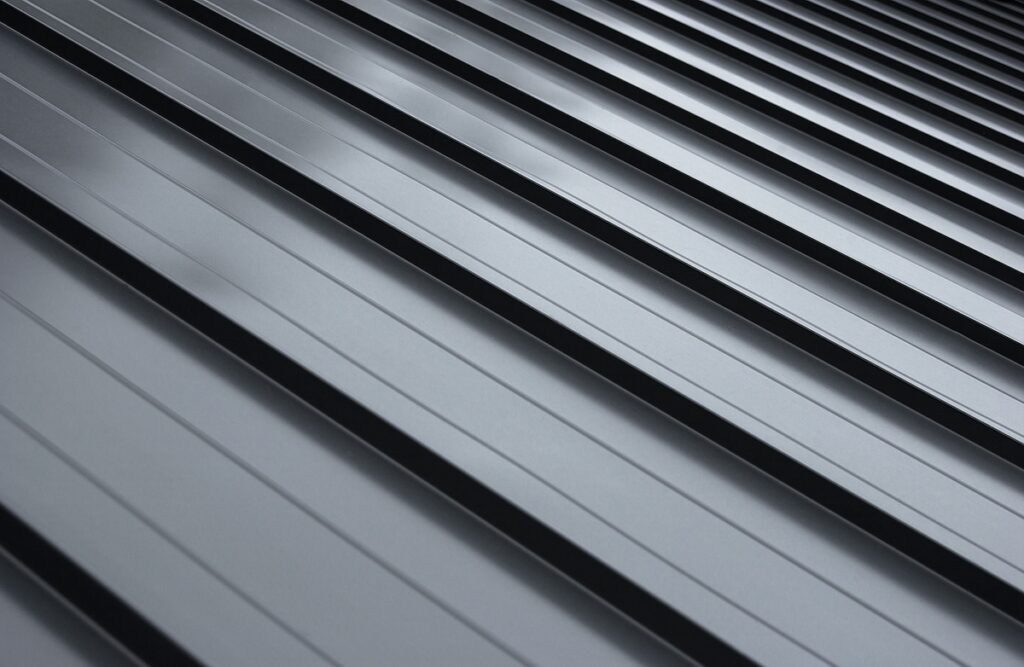
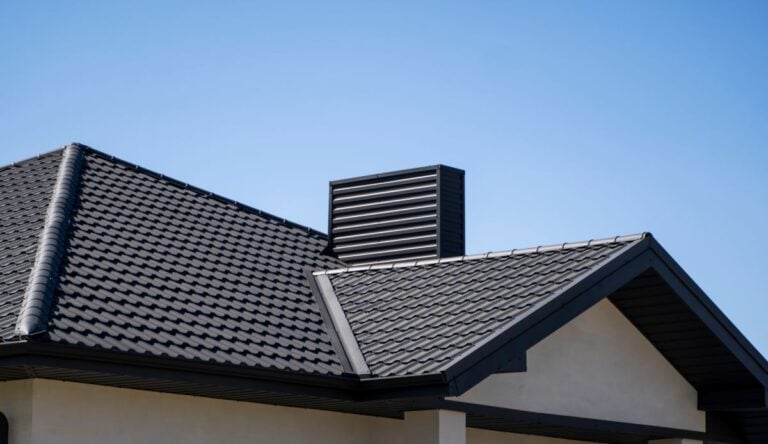
Metal roofing includes several styles, such as standing seam, corrugated, and metal shingles, each with varying prices. While initially more expensive, many homeowners find the benefits worth the investment.
- Higher initial investment: Metal roofs generally cost between $8.00 and $16.00 per square foot, making them a more premium option.
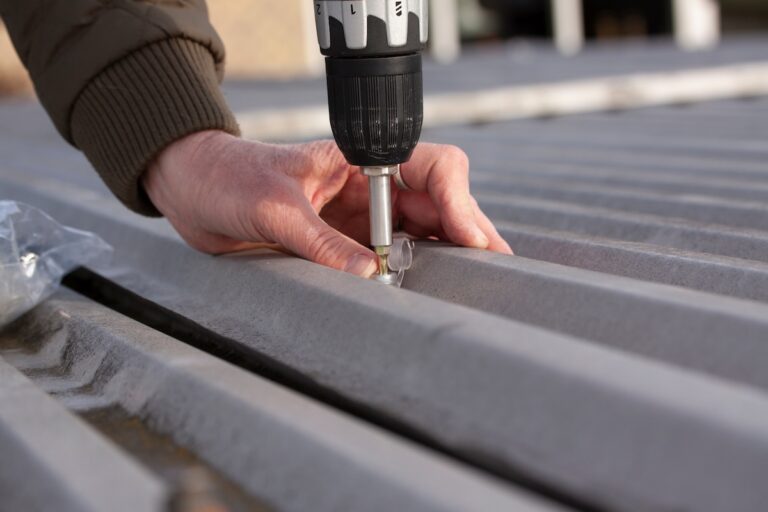
- Specialized installation: Labor costs are higher due to specialized roofing tools and experience required.
- Material quality: Aluminum, steel, copper, and zinc options each carry different price tags based on corrosion resistance and longevity.
While the upfront price tag is undeniably higher, many homeowners find that the long-term savings easily justify the initial expense. When calculating the true cost of metal roof vs shingle over a lifetime, metal’s incredible durability often means you will never have to replace your roof again, making it a highly competitive investment.
Durability And Maintenance Costs Over Time
When calculating true affordability, lifespan and upkeep are just as important as the initial cost. In fact, when weighing the cost of metal roof vs shingle, you’ll often find that a roof that lasts twice as long but costs 30% more ends up being the better deal.
Lifespan of Metal vs Shingle Roofs
A longer lifespan often means fewer replacements and less frequent repairs, which can add up to big savings. This is a major reason many homeowners consider metal roofs a long-term investment.
- Metal roofing durability: Most metal roofs last 40–70 years or more, with minimal maintenance.
- Shingle roof longevity: Asphalt shingles typically last 15–30 years, depending on quality and climate.
Understanding exactly how long does a roof last under optimal conditions allows homeowners to accurately calculate the true cost per year of their chosen material.
Maintenance and Repairs
When evaluating the long-term cost of metal roof vs shingle, maintenance and repairs can easily swing the overall value in favor of one material over the other. Consistent upkeep adds significantly to the lifetime cost of ownership.
- Shingle repairs add up: Shingles can curl, crack, or blow off during storms, leading to more frequent repair costs.
- Low maintenance for metal: Metal roofs resist rot, insects, and mildew, reducing the need for repairs.
Even when minor issues do arise, standard metal roof repair is often straightforward and less frequent than patching missing asphalt pieces after a heavy storm.
Energy Efficiency and Utility Savings
Beyond installation and repairs, energy efficiency can greatly influence affordability. Because roofing material plays a significant role in how well your home retains or deflects heat, it is a critical piece of the puzzle when analyzing the cost of metal roof vs shingle. A more efficient roof doesn’t just protect your home—it pays you back every month on your energy bill.
Metal Roof Energy Benefits
A key part of the cost of metal roof vs shingle comparison is how much you save on utilities. Metal roofing reflects solar radiant heat, which can reduce cooling costs by 10–25% in warmer climates—a benefit that traditional shingles typically cannot match.
- Reflective coatings: Many metal roofs come with energy-efficient finishes that keep attics cooler.
- Cool roof options: Lighter colors and coatings help reduce HVAC strain during peak summer months. To help you select the perfect, high-performance shade for your home, take a look at our
and explore the best cost of metal roof vs shingle options for your specific aesthetic goals.
When you factor in these monthly utility savings, the gap between the initial cost of metal roof vs shingle begins to close. While a metal roof may require a higher upfront investment, its ability to consistently lower your cooling bills can make it the more economical choice over the lifespan of your home.
Shingle Roof Energy Performance
Traditional asphalt shingles absorb heat, which may raise indoor temperatures and energy usage. Some manufacturers offer “cool” shingles, but they are not yet the norm.
- Less heat deflection: Black shingles absorb more sunlight, leading to hotter attic spaces.
- Limited energy savings: While newer shingles have improved, they generally lag behind metal in energy performance.
Resale Value And ROI
An often-overlooked factor in the cost of metal roof vs shingle is how much value each material adds to your home’s market price. If you plan to sell your home down the road, your choice of roofing can significantly impact curb appeal and total ROI, as many buyers are willing to pay more for a roof that won’t need immediate replacement.
Boosting Home Value With Metal Roofing
Homebuyers often associate metal roofs with durability and modern aesthetics, increasing perceived home value. This can help your home stand out in competitive markets.
- Curb appeal upgrade: Standing seam and other modern styles offer sleek, contemporary appearances.
- Higher resale ROI: According to national averages, homeowners can recoup up to 85% of the metal roof cost at resale.
While a higher initial price point is a factor to consider, the long-term appreciation in market value often helps justify the investment. When analyzing the total cost of metal roof vs shingle, you’ll find that the enhanced curb appeal and impressive ROI associated with a metal roof can be a decisive advantage when it’s time to list your home for sale.
Shingle Roofs And Resale Considerations
While shingles are less expensive, they’re not always seen as a premium feature in listings. However, newer architectural shingles can offer improved looks and performance.
- Familiarity is a plus: Buyers may feel comfortable with shingles due to widespread use.
- Lower ROI: ROI on asphalt shingles generally falls between 60% and 70%, depending on age and condition.
Ultimately, while shingles offer an attractive upfront price, the decision often comes down to your long-term goals for the property. By carefully weighing the cost of metal roof vs shingle against the potential ROI at the time of sale, you can choose the material that best aligns with both your immediate budget and your home’s future marketability.
6 Key Factors: Cost of Metal Roof vs Shingle
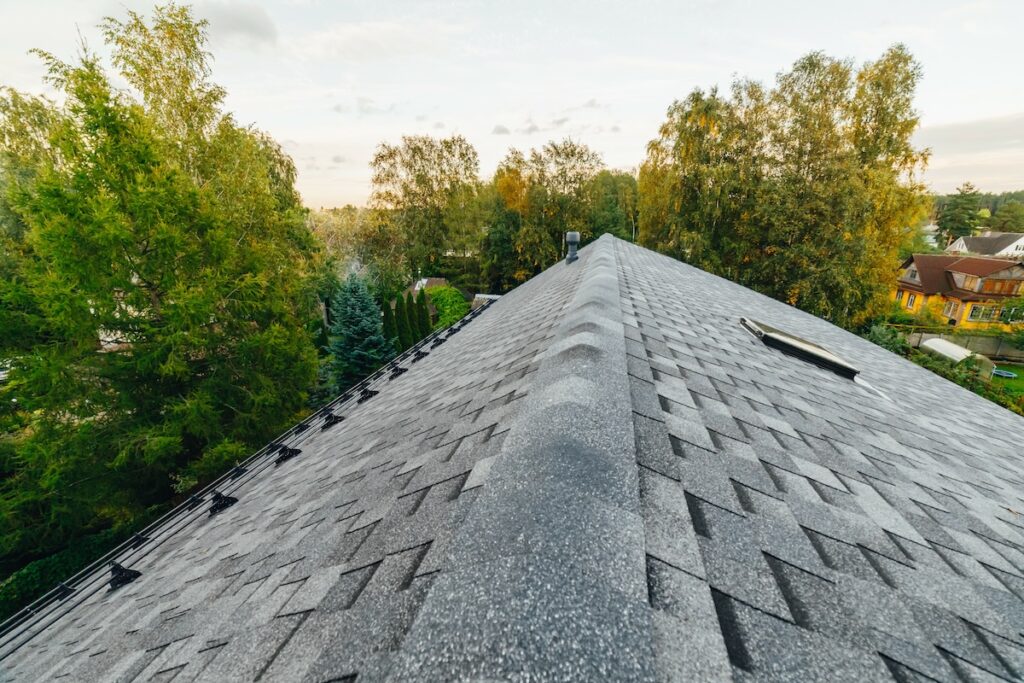
Choosing between metal and shingle roofing depends on several variables unique to each homeowner. These six considerations can help clarify which option offers the best value for your specific situation.
1. Installation Budget
- Short-term savings: Shingles are more budget-friendly if you’re focused on initial cost.
- Investment mindset: Metal requires more upfront capital but may save you more long-term.
2. Home Longevity
- Short-term stay: If you plan to sell your home within 5–10 years, shingles may be more cost-effective.
- Long-term homeownership: Staying 20+ years? Metal roofs provide unmatched lifetime value.
3. Climate and Weather Resistance
- Storm-prone areas: Metal is superior in regions with high winds, hail, or heavy snow.
- Milder climates: Shingles perform well in moderate weather with proper maintenance.
4. Insurance Discounts
- Metal discounts possible: Some insurers offer lower premiums for Class 4 impact-resistant metal roofs.
- Shingle limits: While some shingles are impact-rated, they may not qualify for the same discounts. Upgrading to specialized class 4 shingles can sometimes bridge this gap, offering superior impact resistance that insurance companies are more likely to reward.
5. Energy Savings Goals
- Efficiency focus: Metal roofs reflect more sunlight and may lower summer energy bills.
- Traditional performance: Shingles may be adequate if energy savings aren’t a priority.
6. Environmental Impact
- Eco-friendly option: Metal roofs are often made of recycled content and are 100% recyclable at end of life.
- Landfill concern: Shingles are petroleum-based and usually end up in landfills when replaced.
Choosing the right roof is a major commitment that impacts your home’s value, comfort, and protection. By carefully weighing the cost of metal roof vs shingle against these six variables, you can confidently choose the option that offers the best long-term return for your specific situation.
2026 Installation Price Breakdown: Material vs. Labor
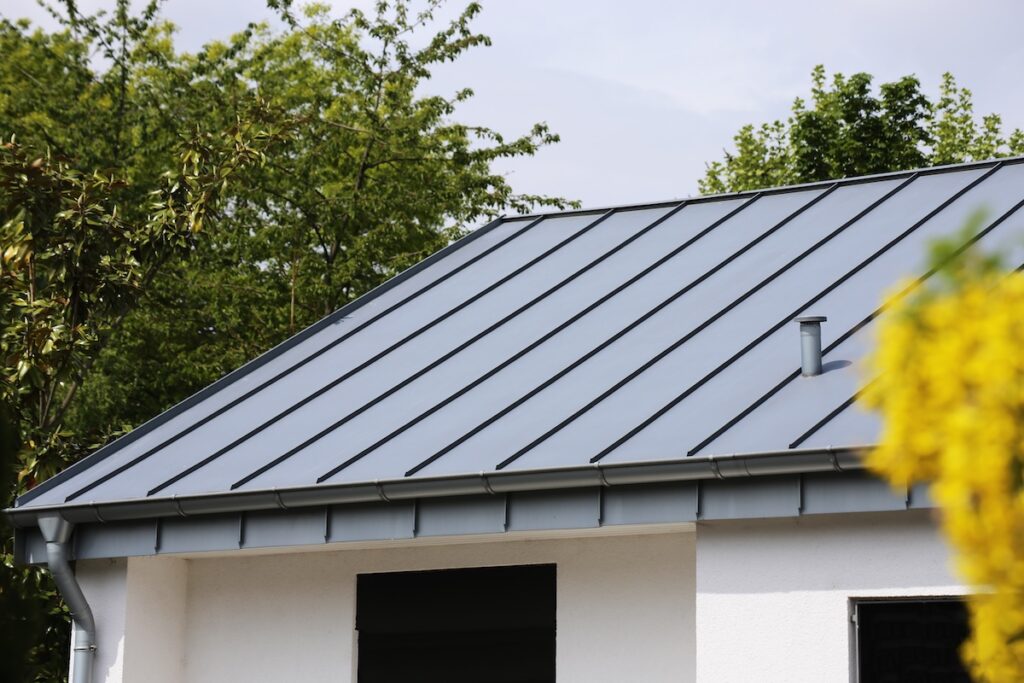
When comparing the cost of metal roof vs shingle, the most immediate difference is the upfront investment. For a standard 2,000-square-foot home, choosing metal over shingles often results in a significant price gap—frequently in the five-figure range.
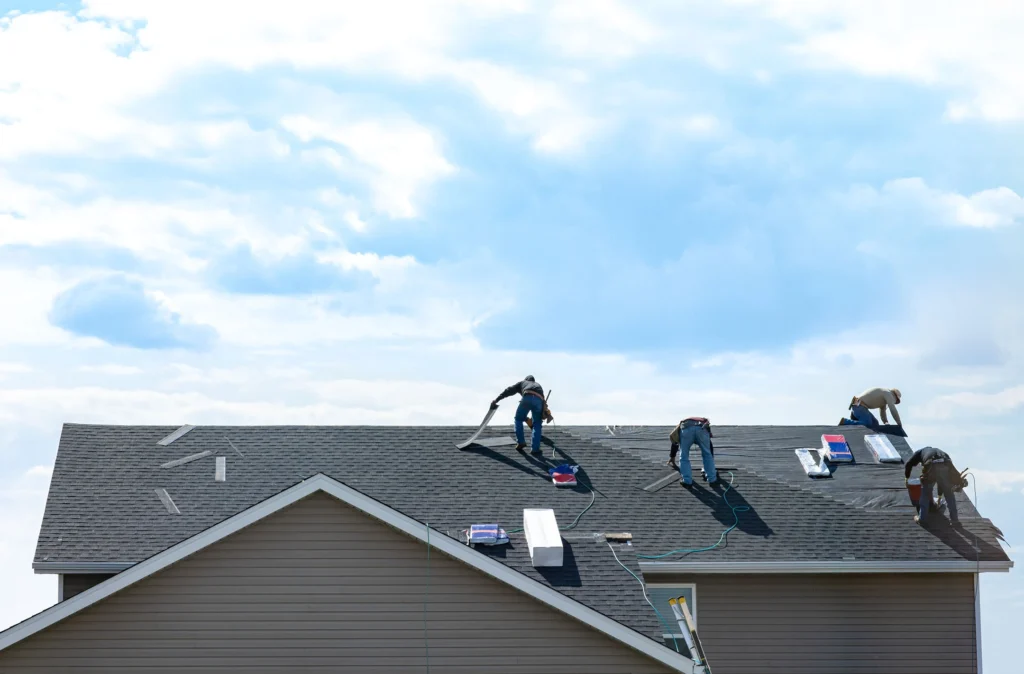
This disparity isn’t just about the raw materials; labor is the second-highest contributor to your quote. Metal installation is a highly technical process requiring specialized tools and extra time—often taking 5–7 days to complete, compared to 2–3 days for an asphalt roof. Additionally, because metal panels are pre-measured, contractors must account for a “waste factor” for complex roof geometries, which is factored into your final estimate.
Residential Roofing Cost Estimates
When evaluating the cost of metal roof vs shingle, it is helpful to see the projected investment for a standard 2,000-square-foot home:
- Basic Asphalt (3-Tab): $3.50 – $6.00/sq. ft. | $7,000 – $12,000 Total
- Architectural Shingles: $4.50 – $10.00/sq. ft. | $9,000 – $20,000 Total
- Steel Standing Seam: $10.00 – $16.00/sq. ft. | $20,000 – $32,000 Total
- Aluminum Roofing: $8.00 – $25.00/sq. ft. | $16,000 – $50,000 Total
- Zinc Panels: $14.00 – $25.00/sq. ft. | $28,000 – $50,000 Total
- Copper Roofing: $18.00 – $41.00/sq. ft. | $36,000 – $82,000 Total
Keep in mind that these are initial installation estimates only. Because metal roofing often lasts two to three times longer than asphalt, the long-term cost of metal roof vs shingle becomes much more competitive when you factor in fewer replacements and lower maintenance over time.
Choose the Roofing Option That Brings the Best Long-Term Value
When evaluating the cost of metal roof vs shingle, it’s essential to look beyond the upfront price tag. Shingles may win on initial cost, but metal roofs offer longer life, lower maintenance, and potential energy savings that can outweigh the higher installation price over time.
At Capstone Roofing Inc., we’re here to help you make the right investment for your home. Whether you’re leaning toward traditional asphalt shingles or are curious about upgrading to metal, our expert team of roofers will guide you through every step — from selecting the right material to professional installation.
Reach out to Capstone Roofing Inc. today for a free estimate and expert advice to help you navigate the cost of metal roof vs shingle for your specific budget, climate, and long-term goals.
Recent Articles
Roofing Tips & Tricks


4.8 RATING

5.0 RATING

A+ RATING