

Does a New Roof Increase Home Value? (6 Factors)
Homeowners often ask does a new roof increase home value, especially when weighing the cost of replacement against potential resale benefits. Because the roof protects the entire structure and is one of the most visible exterior features, its condition plays a meaningful role in how a home is perceived by buyers, inspectors, and appraisers. While a new roof does not always guarantee a dollar-for-dollar return, it can influence value, marketability, and buyer confidence in several important ways.
- Buyer perception: Roofing condition strongly influences first impressions and trust.
- Resale impact: A newer roof can reduce negotiation issues during a sale.
- Long-term benefits: Roof replacement supports both structural protection and future value.
Why Roofing Condition Matters to Home Value
A roof is considered a core system of the home rather than a cosmetic upgrade. Buyers and inspectors view roofing condition as a direct indicator of how well the property has been maintained. An aging or visibly worn roof can raise concerns about leaks, insulation problems, and hidden damage, even if the interior appears well cared for. Bringing in a professional roofer from Capstone Roofing to evaluate the system before listing can help you identify and resolve these underlying issues early.
From a resale perspective, roofing issues often become leverage points during negotiations. Buyers may request repairs, credits, or price reductions if the roof appears near the end of its lifespan. In contrast, a newer roof removes uncertainty and helps present the home as move-in ready.
6 Factors That Influence How a New Roof Affects Home Value
The impact of a new roof on home value depends on several interconnected factors rather than a single number or percentage.
1. Roof Age at the Time of Sale
The age of the roof is one of the first details buyers and inspectors look for. A roof that has recently been replaced reassures buyers that they will not face a major expense in the near future. Even if the roof is not brand new, having many remaining years of expected lifespan can significantly improve buyer confidence.
Older roofs often raise concerns during inspections, even when no active leaks are present. A newer roof reduces the likelihood of inspection contingencies and helps streamline the sales process.
2. Curb Appeal and First Impressions
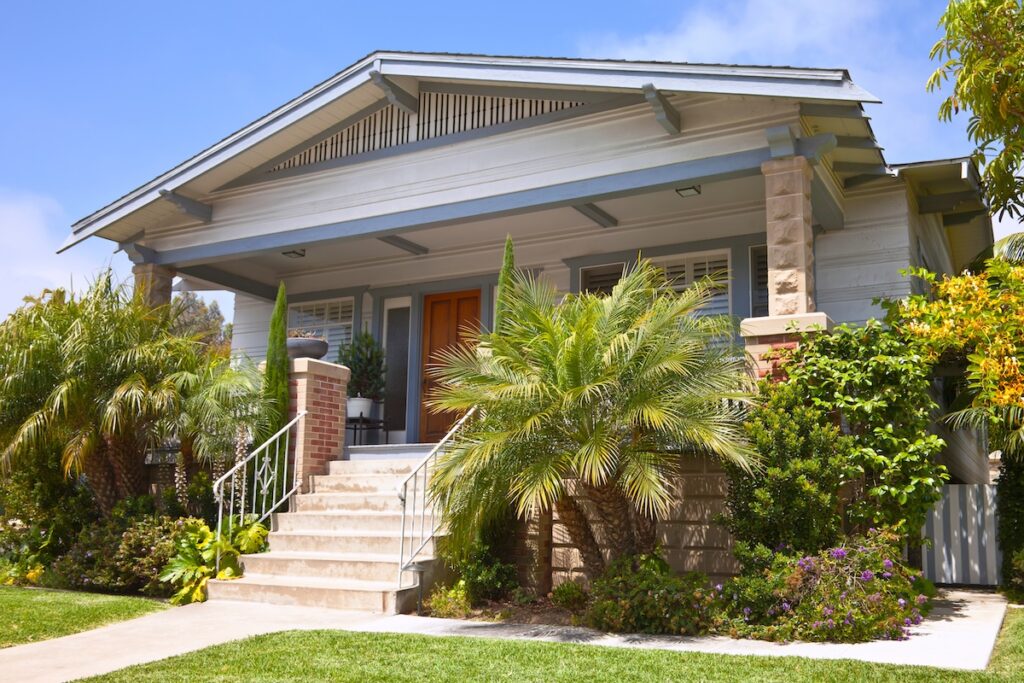
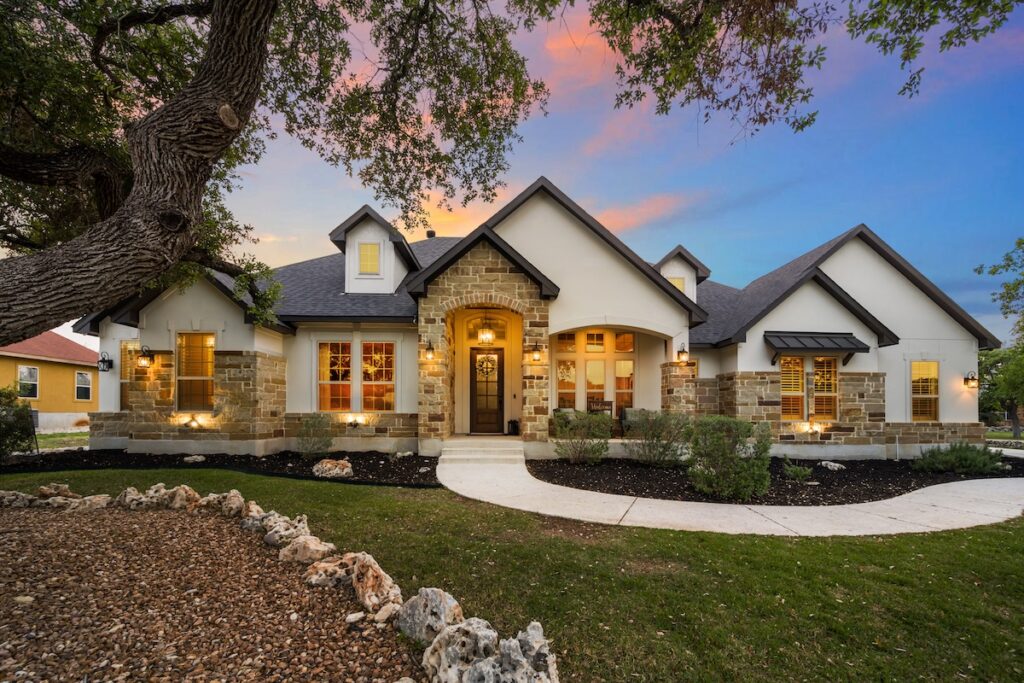
The roof makes up a large portion of the home’s exterior visual profile. A new roof with consistent color, clean lines, and updated materials can noticeably improve curb appeal. This is especially important in online listings, where exterior photos often determine whether buyers schedule a showing.
Homes with visibly worn or mismatched roofing may struggle to make a strong first impression, while a new roof helps the home appear well-maintained and visually cohesive. Selecting complementary house and roof color combinations creates a striking visual impact that immediately captures a potential buyer’s attention before they even step inside.
3. Roofing Materials and Overall Appearance
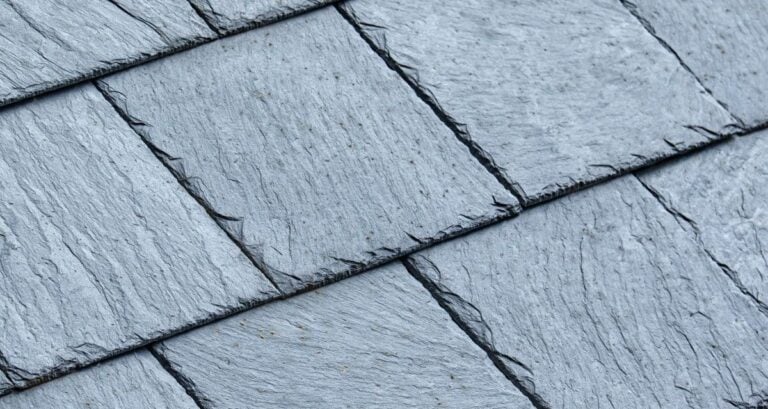
Not all roofs contribute equally to perceived value. While basic roofing materials can still improve a home’s condition, higher-quality or architectural options often enhance appearance and durability. Buyers may not know the technical details of roofing materials, but they can usually recognize a roof that looks newer and professionally installed.
Exploring the various roof types available on the market can help you pinpoint the exact materials that will yield the highest visual return on investment for the property.
The visual compatibility between the roof and siding also matters. A roof that complements the home’s exterior design can subtly increase perceived value.
4. Energy Efficiency and System Updates
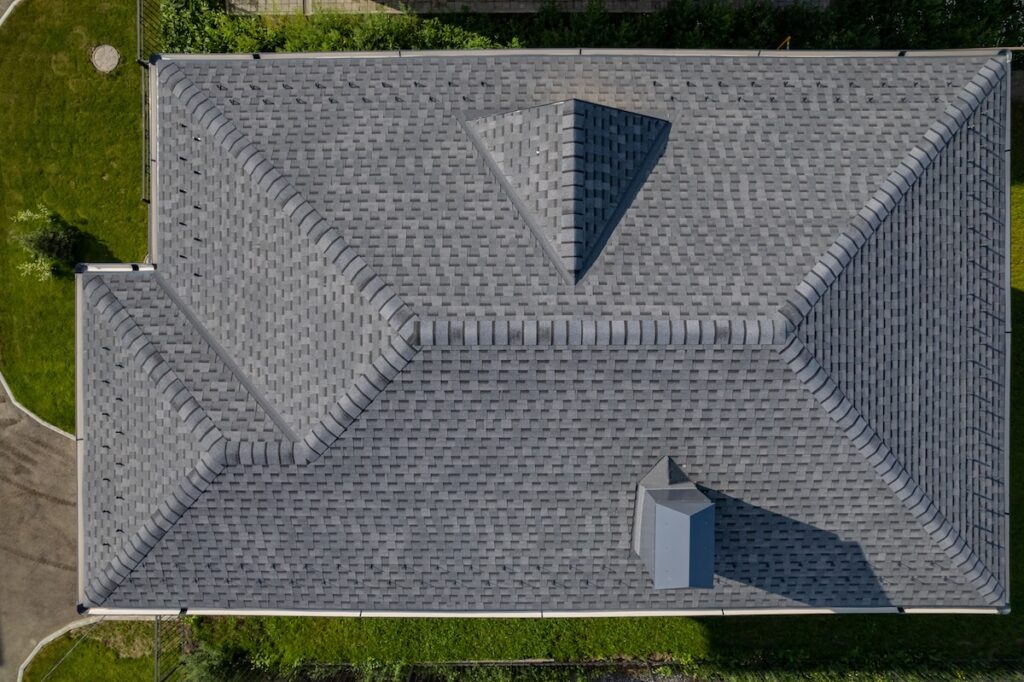
Roof replacement often involves more than just new shingles. Updated underlayment, improved ventilation, and better sealing can all contribute to improved energy performance. Specifically, optimizing the roof vents allows for continuous air circulation, which prevents heat buildup and protects the entire structure from long-term moisture degradation.
Buyers who are conscious of comfort and energy efficiency may view these improvements favorably, even if they are not immediately visible.
A roof that supports proper airflow and insulation helps regulate attic temperatures, which can contribute to overall home efficiency and long-term durability.
5. Reduced Buyer Risk and Negotiation Pressure
One of the most practical ways a new roof affects home value is by reducing buyer risk. Buyers are often cautious about taking on properties that may require immediate repairs. An older roof can become a negotiation tool, leading to repair demands or reduced offers.
Partnering with a qualified roofing contractor ensures any visible wear is properly assessed, helping you navigate negotiations with confidence.
A newer roof removes this uncertainty, helping sellers maintain their asking price and avoid last-minute concessions during the inspection phase.
6. Market Conditions and Buyer Expectations
The effect of a new roof can vary depending on local market conditions. In competitive markets, homes with new roofs may stand out more clearly and sell faster. In slower markets, a new roof may not dramatically increase price but can still help prevent the home from being overlooked.
Buyer expectations also play a role. In markets where move-in-ready homes are the norm, a newer roof helps meet buyer standards and avoid being compared unfavorably to similar listings.
Does a New Roof Increase Appraised Value?
A new roof does not always translate into a direct increase in appraised value equal to its replacement cost. Appraisers typically view roofing as part of the home’s overall condition rather than as a separate upgrade.
- Value Preservation vs Value Increase: In many cases, replacing an aging roof helps preserve the home’s expected value rather than significantly raise it. A failing roof can lower appraisals, while a new roof helps ensure the home meets baseline condition expectations.
- Faster Sales and Smoother Transactions: Even if the appraised value does not increase dramatically, homes with newer roofs often benefit from faster sales, fewer inspection issues, and smoother negotiations.
Timing Considerations for Roof Replacement
The timing of roof replacement can influence how much value it provides.
- Replacing the Roof Before Selling: If the existing roof is nearing the end of its lifespan, replacement before listing can simplify the sale and reduce buyer objections. This approach can help maintain pricing and shorten time on market.
- Replacing the Roof for Long-Term Ownership: For homeowners planning to stay in their home, a new roof offers immediate protection and peace of mind while still contributing to future resale value.
Additional Benefits Beyond Home Value
A new roof provides advantages that go beyond resale considerations.
- Improved protection: Reduces the risk of leaks and structural damage.
- Lower maintenance needs: Fewer repairs during the early years after replacement.
- Insurance considerations: Newer roofs may be viewed more favorably by insurers.
Is a New Roof a Smart Investment?
So, does a new roof increase home value? In many cases, it does—but its greatest impact is often improved marketability, buyer confidence, and reduced negotiation risk rather than a full cost recovery. A new roof helps present the home as well maintained and reliable, which can make a meaningful difference when selling.
Taking the time to select the best roof shingles for your budget and neighborhood standards ensures that this major upgrade translates into maximum buyer appeal.
For homeowners who want to understand their roof’s condition and how it may affect home value, Capstone Roofing offers free inspections to provide clear insight and informed guidance before making next steps.


4.8 RATING

4.9 RATING

A+ RATING