

EPDM Roofing: Why It’s Popular in 2026 & 5 Key Benefits
If you’re researching flat roof options for your commercial building, EPDM roofing is likely one of the materials you’ll encounter. As of 2026, EPDM remains one of the most widely used single-ply roofing systems across the country, and for good reason.
- Proven long-term performance: EPDM has been used in commercial roofing for decades.
- Affordable and easy to install: It offers one of the best cost-to-value ratios for flat roofs.
- Durable in various climates: Withstands temperature extremes, UV rays, and weathering.
In this blog, we’ll explore why EPDM roofing continues to be a top pick in 2026 and break down five key benefits that make it a smart investment for commercial properties.
What Is EPDM Roofing?
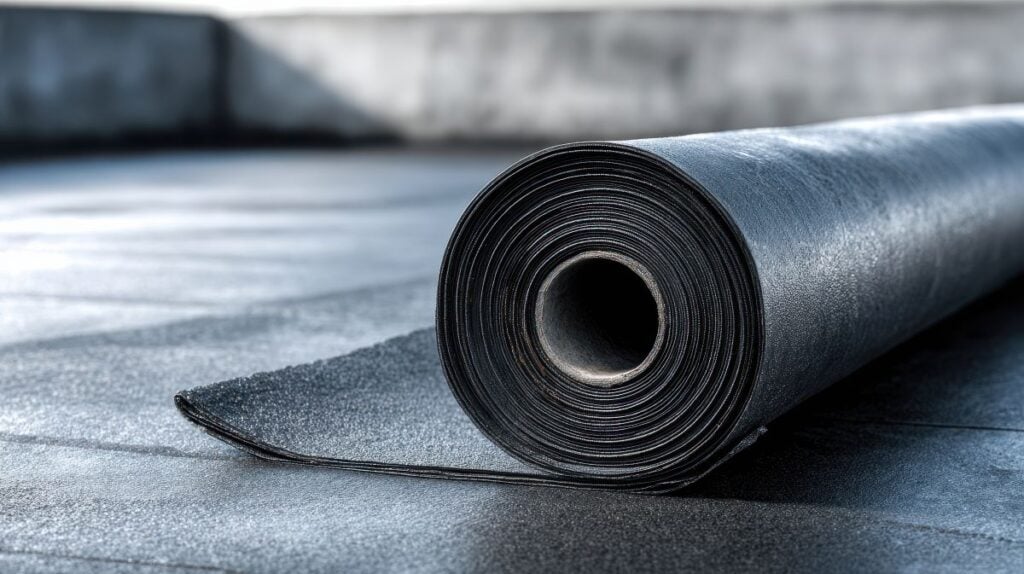
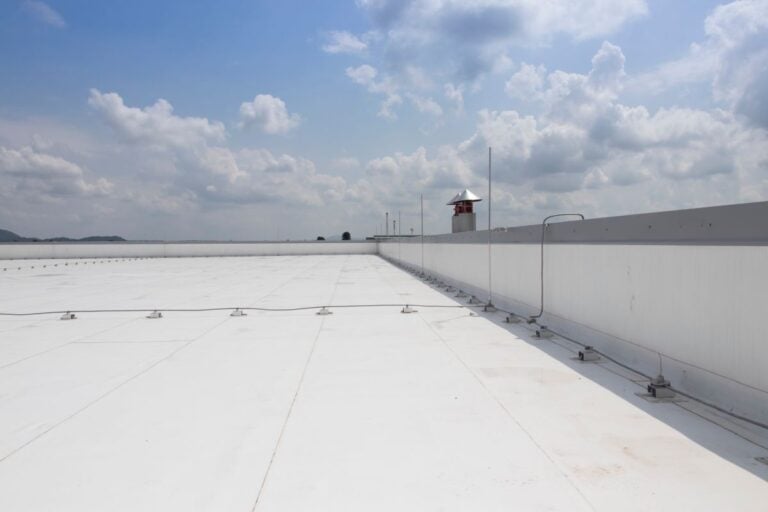
EPDM stands for ethylene propylene diene monomer, a synthetic rubber material used in single-ply roofing systems. It is primarily installed on flat and low-slope roofs and is typically black, though white versions are also available for improved reflectivity.
EPDM roofing comes in large rolls that are either fully adhered, mechanically attached, or ballasted. The seams are sealed with adhesives or tapes rather than heat welding, which sets it apart from PVC or TPO systems.
When exploring different single ply roofing materials, understanding these core installation differences is key to determining which membrane best suits a specific building architecture. The result is a flexible, weather-resistant roof membrane that performs well under a variety of conditions.
Why EPDM Roofing Remains Popular in 2026
With a strong track record going back over 40 years, EPDM roofing has proven itself to be a cost-effective and reliable system for commercial buildings. Advances in adhesive technology and material formulation have improved its performance over time, making modern EPDM systems even more resistant to UV damage, shrinkage, and punctures than earlier versions.
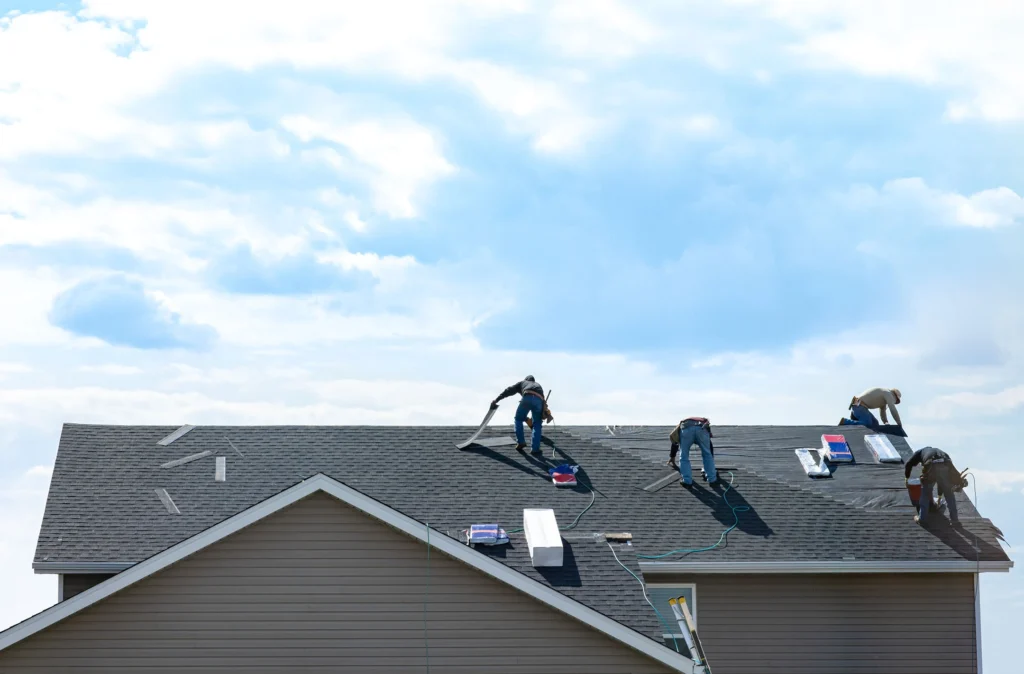
Upgrading to these advanced rubber membranes during a complete commercial roof replacement provides exceptional resilience against harsh environmental factors year after year.
Commercial property owners in 2026 are focused more than ever on sustainability, long-term performance, and minimizing lifecycle costs — and EPDM delivers on all fronts. It’s compatible with solar installations, performs well in extreme temperatures, and offers repairability without requiring full replacement.
Typical Applications for EPDM Roofing
EPDM is most commonly used in commercial and institutional buildings such as:
- Warehouses and distribution centers
- Office buildings
- Schools and universities
- Hospitals and medical facilities
- Retail centers and shopping malls
- Government and municipal structures
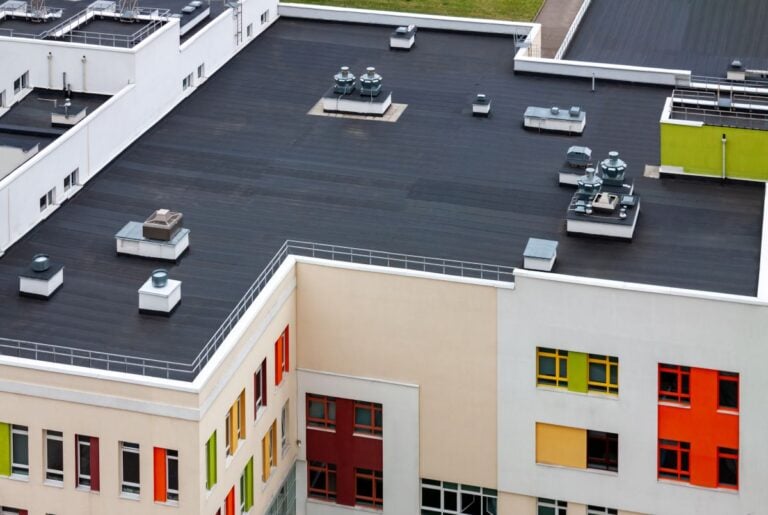
Its lightweight nature and ability to conform to a wide variety of roof shapes make it especially effective for retrofits or renovations. EPDM roofing is also a good choice for buildings that need minimal disruption during installation. To guarantee a seamless installation that keeps your facility fully operational, partnering with a qualified contractor from Capstone Roofing is highly recommended.
5 Key Benefits of EPDM Roofing
Below are five standout reasons why commercial property owners continue to choose EPDM roofing in 2026. These benefits highlight its long-term value and reliable performance in real-world conditions.
1. Proven Durability
EPDM roofing has a lifespan of 25 to 30 years or more when properly installed and maintained. It resists UV degradation, ozone exposure, and thermal shock, which helps maintain its flexibility and strength over time. The rubber membrane expands and contracts with temperature changes, making it less prone to cracking in cold climates or heat-related blistering in warmer regions.
Its strong track record is backed by decades of performance data, giving building owners confidence in its long-term durability.
2. Cost-Effective Installation
EPDM roofing is known for its lower upfront costs compared to other single-ply systems like PVC. The material is lightweight, which reduces the structural demands on the building and can simplify the installation process. Fewer seams also mean less labor is required to install large sections of roof quickly.
Because of these cost savings, EPDM is a popular option for large-scale commercial roofs where material and labor costs can quickly add up.
3. Low Maintenance Requirements
One of the biggest benefits of EPDM is its low maintenance profile. The rubber membrane naturally resists algae, mold, and moisture infiltration. Regular inspections and cleaning are typically all that’s needed to keep the system performing well.
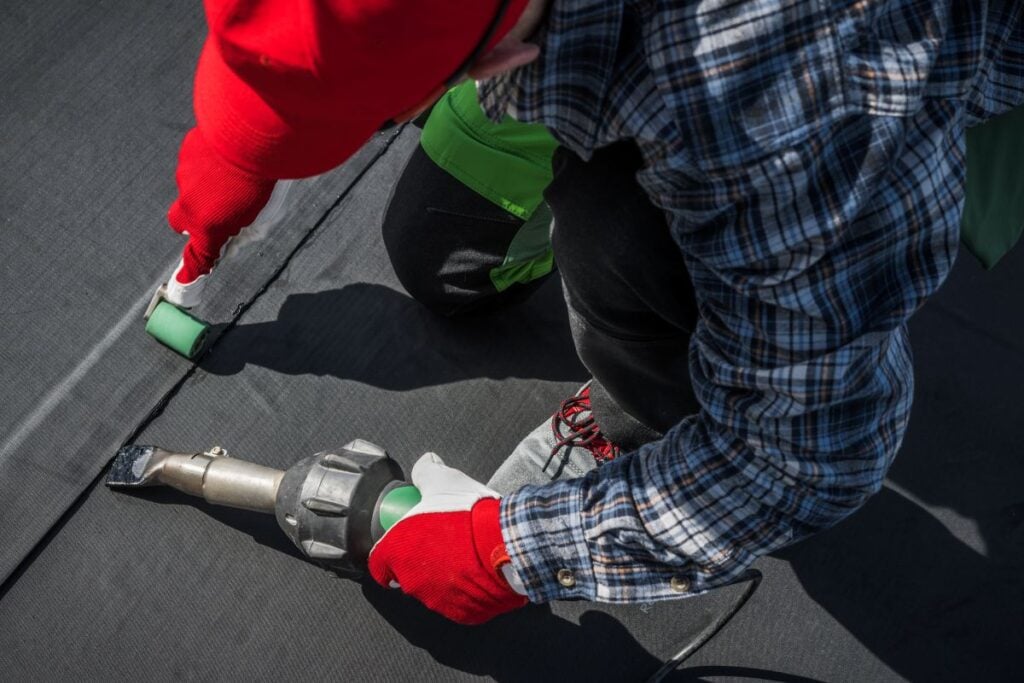
If damage does occur, repairs are often straightforward, patches can be applied using adhesives or tape, and many repairs can be completed without removing the entire system. This ease of repair can extend the roof’s useful life without major disruption to your business operations.
4. Excellent Weather Resistance
EPDM holds up well in a wide range of environmental conditions. In hot climates, it resists UV rays and retains its elasticity. In colder regions, it withstands snow and ice without cracking or becoming brittle. Its ability to flex with temperature changes makes it particularly resistant to damage from thermal cycling, the expansion and contraction that occurs between hot days and cold nights.
For buildings in regions with unpredictable weather, EPDM’s year-round reliability is a major selling point.
5. Environmentally Friendly Options
In 2026, sustainability is an increasingly important factor in commercial roofing decisions. EPDM roofing contributes to eco-friendly goals in several ways:
- It can often be installed directly over an existing roof, reducing landfill waste.
- White EPDM membranes help reduce heat island effects in urban environments.
- The material is recyclable at the end of its service life.
- EPDM roofs are compatible with rooftop solar systems and green building certifications.
Many manufacturers now offer EPDM products with enhanced environmental profiles, helping businesses meet LEED requirements or local energy standards.
EPDM vs. Other Single-Ply Roofing Systems
If you’re choosing between EPDM, TPO, and PVC roofing, it’s helpful to know how these systems compare:
- TPO vs. EPDM: TPO is often more reflective and may offer better energy efficiency in sunny climates, but EPDM generally performs better in colder regions due to its flexibility.
- EPDM vs. PVC: PVC offers superior chemical resistance and heat-welded seams, but tends to cost more. EPDM offers easier repairs and lower initial costs.
- Installation and maintenance: EPDM is widely considered the easiest to repair and maintain over time, making it a practical long-term choice for property owners focused on minimizing downtime.
The best choice depends on your specific building needs, climate, and budget. A professional inspection can help guide the decision and ensure the roofing system aligns with long-term property goals.
Is EPDM Roofing Right for Your Property?
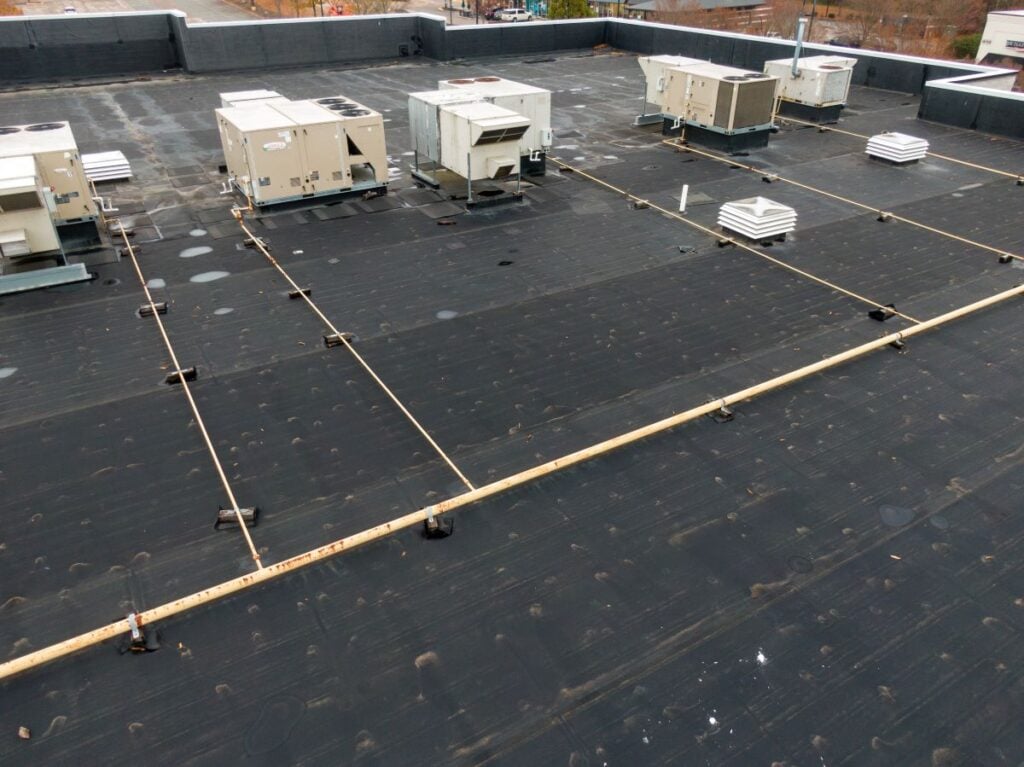
EPDM roofing is an ideal choice for commercial building owners who want a cost-effective, low-maintenance, and proven system that performs reliably across decades. While it may not offer the same seam strength as welded systems like PVC, its ease of installation, repairability, and resilience make it one of the most trusted flat roofing solutions in 2026.
Having a professional roofer assess your current building structure will ensure this versatile membrane is installed to maximize its full lifespan.
Count on EPDM for Long-Term Commercial Protection
EPDM roofing remains a top choice in 2026 because of its balance of affordability, durability, and proven results. For flat or low-slope commercial roofs, it offers long-term protection without excessive maintenance demands. If your building needs a new roofing system that delivers real value over time, EPDM deserves serious consideration.
Capstone Roofing Inc. helps commercial property owners choose the right system for their needs. Contact us today to schedule a free inspection and see whether EPDM roofing is the best solution for your facility.


4.8 RATING

5.0 RATING

A+ RATING