

Gutter Sizes: How to Choose the Right Fit for Your Home
Choosing the right gutter sizes is essential for protecting your home from water damage. Gutters that are too small may overflow during heavy rain, while oversized gutters might be unnecessary and less visually appealing. Selecting the correct size helps ensure proper drainage, roof protection, and long-term durability.
- Water flow management: Correct sizing ensures gutters can handle heavy rainfall.
- Foundation protection: Proper drainage helps prevent soil erosion and basement leaks.
- Curb appeal and performance: Well-sized gutters complement your home’s architecture and prevent overflow.
Let’s take a closer look at standard gutter sizes, how they’re measured, and what factors should guide your decision.
Why Gutter Size Matters
Gutters play a key role in channeling water away from your roof, siding, and foundation. When gutters are undersized, water may spill over the edges and pool around your home, increasing the risk of basement flooding and structural issues. If they’re too large, they may detract from your home’s appearance and increase material costs without delivering meaningful performance gains.
Matching gutter capacity to your roof’s surface area and local rainfall patterns is the best way to ensure your system works efficiently.
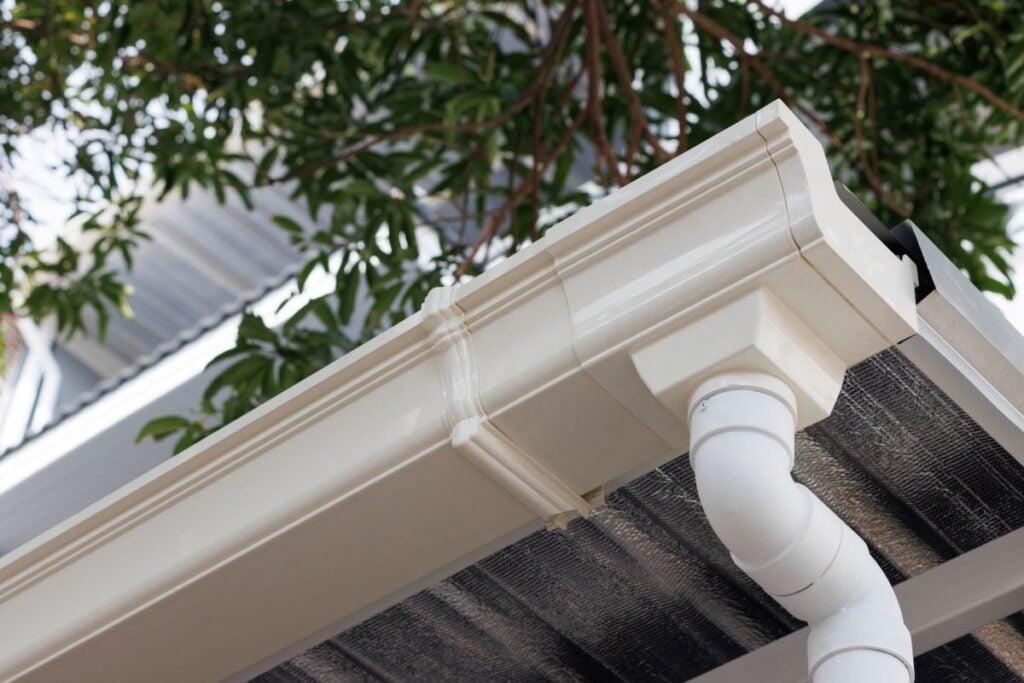
Standard Residential Gutter Sizes
Most residential homes are equipped with either 5-inch or 6-inch gutters, both of which are typically paired with either 2×3-inch or 3×4-inch downspouts. Here’s how they compare:
- 5-inch gutters: The most common size, best suited for average rainfall and standard-pitched roofs.
- 6-inch gutters: Offer increased capacity, often used on larger roofs or in areas with heavy precipitation.
- Oversized downspouts: Paired with 6-inch gutters to quickly move water away from the roofline.
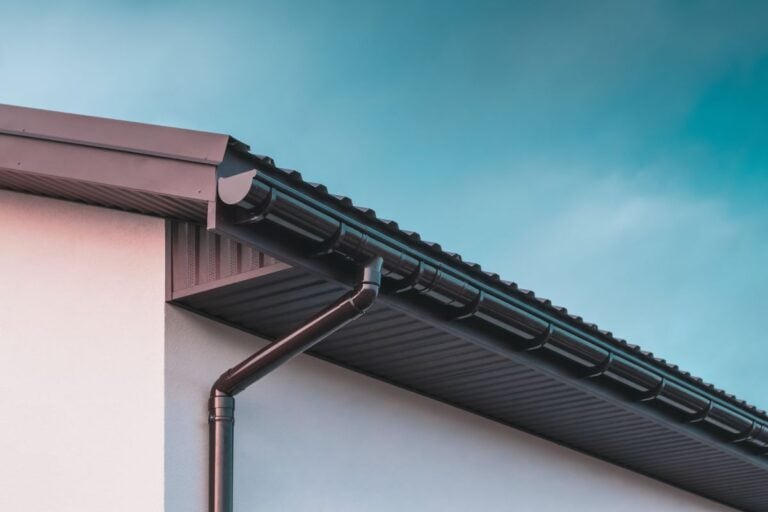
- K-style vs. half-round: K-style gutters hold more water than half-round of the same width due to their deeper profile.
For many homes, 5-inch gutters with 2×3 downspouts provide adequate drainage. However, homes with steeper slopes or large surface areas may benefit from a 6-inch gutter system.
Factors That Determine the Right Gutter Size
Sizing your gutters involves more than choosing between 5 or 6 inches. Several elements affect how much water your system needs to handle and how quickly it needs to be drained away from your home.
Roof Size and Pitch
Larger roofs collect more water, which means the gutters must handle higher volumes. Steeper roofs also shed water more quickly, increasing the demand on the system during rainstorms. Figuring out exactly how to measure roof pitch is a vital first step in this process, as sharper angles force rainwater into the channels with significantly more velocity.
- Roof area: Measure in square feet to determine runoff volume.
- Slope steepness: Steeper roofs increase water speed and impact.
- Multi-level drainage: Upper-level roofs that drain onto lower roofs concentrate water flow.
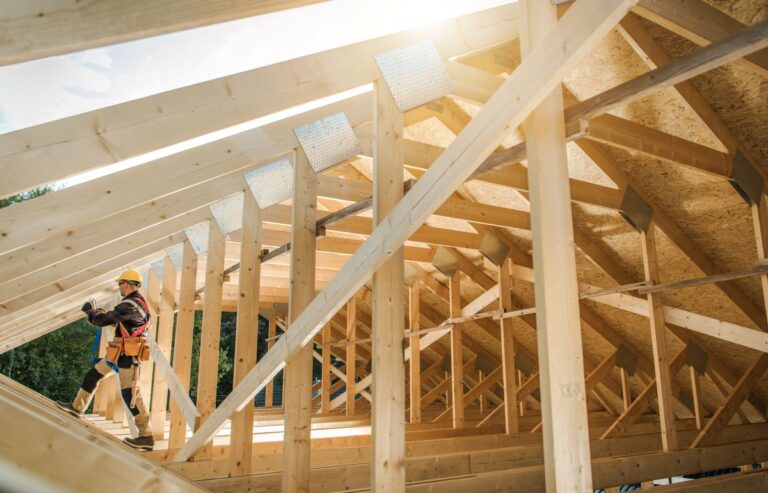
Calculating the exact mathematical runoff volume for these complex, multi-tiered architectures requires advanced planning, making the structural expertise of a professional roofer at Capstone Roofing absolutely essential to prevent upper cascades from overwhelming the lower tiers.
Local Rainfall and Climate
Regions with frequent or heavy rain require higher-capacity gutters. A system that works in a dry climate may fail in an area prone to intense storms.
- Rainfall intensity: The number of inches per hour during peak storms is a critical sizing factor.
- Snow and ice: In colder climates, larger gutters may help accommodate snowmelt more effectively.
- Tree coverage: Heavily wooded areas may benefit from wider gutters that are easier to clean and less prone to clogs.
This wider design also makes routine roof washing much more effective, allowing thick layers of pine needles and wet debris to be flushed out without constantly jamming the downspouts.
Gutter Material and Style
Some materials, like copper or steel, are heavier and may have weight limitations based on size. Additionally, gutter shape affects capacity.
- K-style gutters: Offer more water capacity than half-round gutters of the same width.
- Half-round gutters: Traditional appearance, better for historical homes, but hold less water.
- Seamless aluminum: Lightweight, rust-resistant, and commonly used in modern installations.
Since upgrading these classic profiles to handle modern water displacement often requires specialized mounting hardware that isn’t available to the general public, hiring a qualified contractor guarantees your custom metals are sourced and anchored in strict compliance with manufacturer warranties.
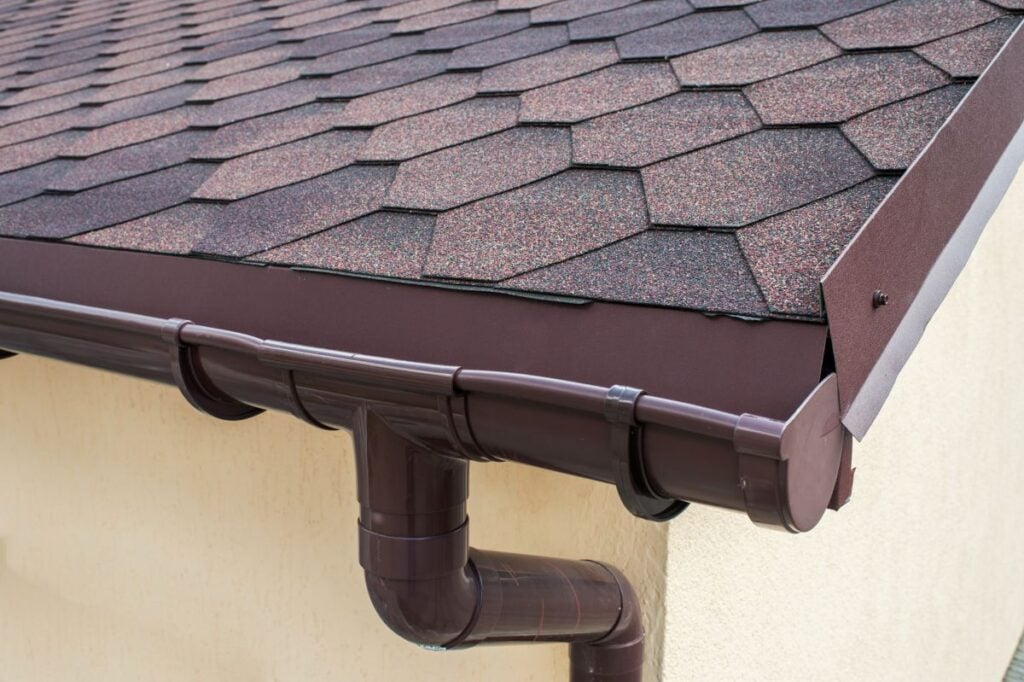
4 Common Gutter Sizes and Their Ideal Applications
Choosing between available gutter sizes comes down to roof specs, climate, and visual preference. Below are four common sizes and when they’re typically used.
1. 4-Inch Gutters
- Best for small structures: Sheds, garages, or low-pitched porch roofs.
- Limited capacity: Not ideal for full residential use or steep roofs.
- Minimalist appearance: Blends in well with smaller architectural features.
2. 5-Inch Gutters
- Standard for most homes: Balances capacity, cost, and aesthetics.
- Fits average rainfall: Performs well in moderate climates.
- Common pairings: Works with 2×3 or 3×4 downspouts depending on roof area.
3. 6-Inch Gutters
- High-capacity option: Ideal for larger roofs or high-rainfall regions.
- Pairs with 3×4 downspouts: Helps move water quickly and reduce overflow.
- Less frequent cleaning: Wider opening makes maintenance easier.
4. Oversized or Custom Gutters (7-Inch or Larger)
- Used on commercial buildings: Designed for extreme water volume.
- Custom rooflines: May be necessary for complex drainage setups.
- Specialty applications: Often found on large modern homes with expansive roofs.
Because different roof types dictate the total square footage of the water catchment area, sprawling contemporary layouts naturally demand these wider commercial-grade channels to handle the sheer volume of runoff.
Signs You May Need Larger Gutters
Even if your current system seems functional, there are signs that indicate it may be undersized for your home’s needs.
- Overflow during storms: Water spilling over edges is a key indicator.
- Pooling near the foundation: Suggests inadequate water displacement.
- Frequent clogs or backups: May be due to debris overload or undersized downspouts.
- Staining on siding or fascia: Water damage near the roofline can point to performance issues.
Upgrading to a larger gutter size or adjusting your downspout configuration can help eliminate these problems and reduce long-term maintenance. Understanding how the various parts of a roof connect at this vulnerable edge makes it clear why chronic overflow quickly rots the underlying wooden fascia boards.
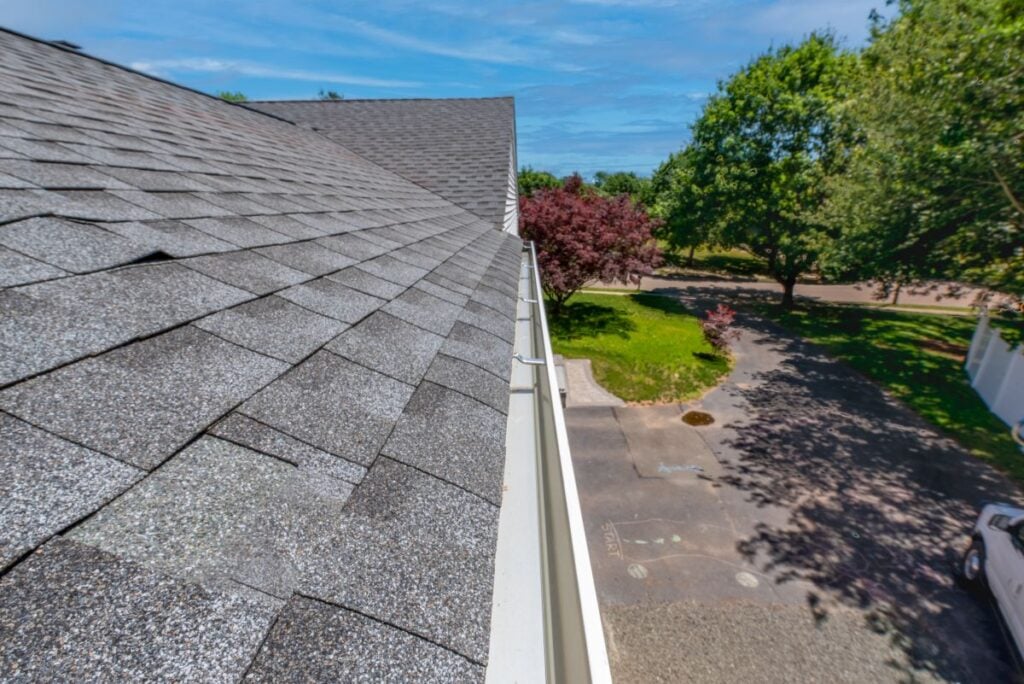
Get the Right Fit for Long-Term Gutter Performance
Choosing the correct gutter sizes is one of the most important decisions for protecting your home from water damage. Whether you’re installing new gutters or evaluating an upgrade, factors like roof size, slope, local rainfall, and system material all influence what size will work best.
Capstone Roofing Inc. is here to help you protect your home from the top down. If you’re unsure whether your current gutters are doing their job, reach out today to schedule a free inspection and get expert insight into proper drainage, sizing, and roof-edge protection.



4.8 RATING

5.0 RATING

A+ RATING