

Hip Roof vs Gable Roof: Which Is Better?
When comparing a hip roof vs gable roof, homeowners often want to understand which design offers better durability, cost efficiency, and aesthetic value. Both roof types are widely used across residential properties, and each has unique advantages depending on your home’s structure, climate, and style preferences. At Capstone Roofing, we help homeowners choose roofing systems that provide long-term protection and performance.
- Design differences: Learn how hip and gable roofs vary in shape and structure.
- Advantages and drawbacks: Understand which roof style suits your environment and needs.
- Professional insight: Discover how experienced roofers ensure quality no matter the roof design.
Understanding the Difference Between Hip and Gable Roofs
While both styles protect your home from the elements, the difference lies in their geometry and how they handle wind, water, and snow.
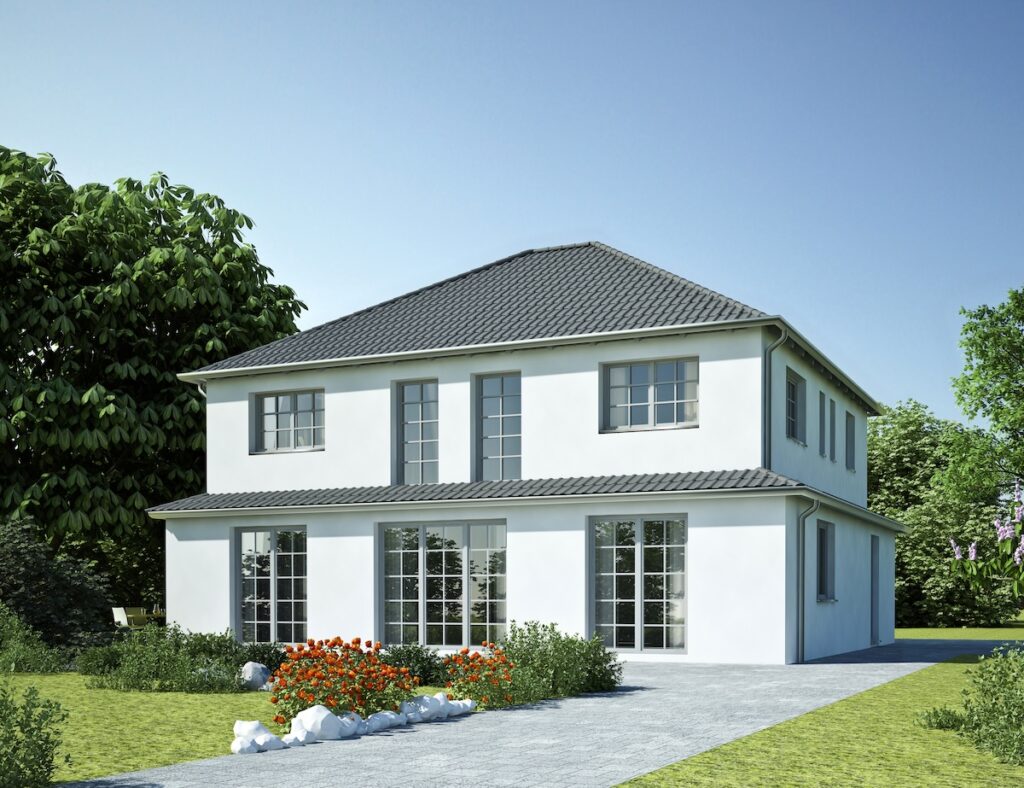
What Is a Hip Roof?
A hip roof has four sloping sides that meet at a ridge or peak. There are no vertical ends, which makes it more aerodynamic and stable under strong winds. The consistent slope on all sides helps shed rain and snow evenly, making it a popular choice in areas with heavy precipitation or high winds.
What Is a Gable Roof?
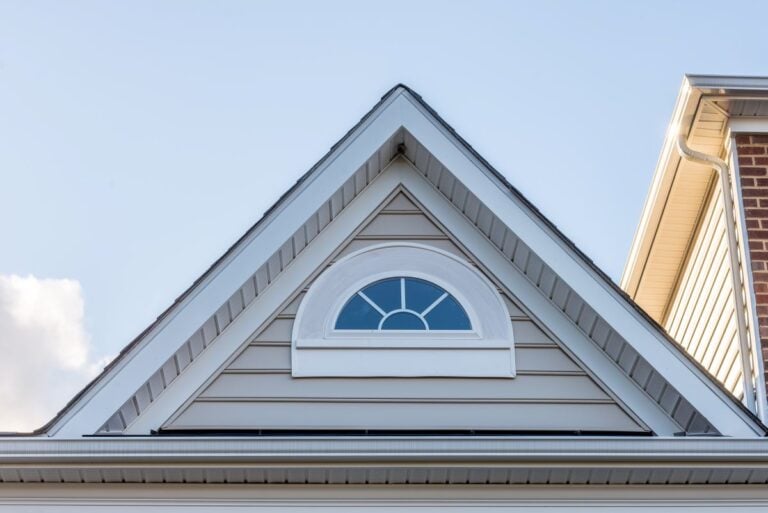
A gable roof has two sloping sides that form a triangle at each end, known as gables. This design provides excellent ventilation and additional attic space. Gable roofs are cost-effective, easy to construct, and commonly used in many traditional and modern home designs.
Hip Roof vs Gable Roof: Key Comparison
The table below outlines the major differences between these two popular roof types.
| Feature | Hip Roof | Gable Roof |
| Design | Four sloping sides meeting at a ridge | Two sloping sides forming a triangular shape |
| Wind Resistance | Excellent; slopes deflect wind from all directions | Moderate; gable ends can catch strong winds |
| Rain & Snow Drainage | Very good; even runoff on all sides | Good, but depends on pitch and orientation |
| Cost | Higher due to complex framing | Lower; simpler design reduces labor |
| Attic Space | Limited; smaller attic area | Larger; provides more usable attic or vaulted space |
| Aesthetic Appeal | Smooth, symmetrical appearance | Bold, classic triangular look |
| Maintenance | More complex; requires careful flashing at joints | Easier to maintain and repair |
| Best For | Windy, coastal, or high-precipitation regions | Mild climates and traditional home styles |
Advantages of a Hip Roof
Hip roofs are known for their stability and performance, especially in challenging weather conditions.
- Wind resistance: The aerodynamic design minimizes uplift and reduces the risk of storm damage.
- Balanced drainage: Slopes on all sides allow water and snow to shed evenly, reducing pooling or leaks.
- Durability: The structural design provides superior strength, making it less prone to collapse or stress cracks.
- Consistent appearance: Hip roofs provide a uniform aesthetic that enhances architectural balance.
Disadvantages of a Hip Roof
- Higher cost: The framing and labor are more complex than simpler roof styles.
- Limited attic space: The inward slope reduces available storage or living area.
- Ventilation challenges: Additional roof vents may be needed to ensure proper attic airflow.
Advantages of a Gable Roof
Gable roofs offer simplicity, cost-effectiveness, and strong visual appeal.
- Ease of construction: The simple two-slope design reduces installation time and material costs.
- Ventilation benefits: The triangular shape allows for easy attic ventilation and better airflow.
- Versatile design: Works well with a variety of architectural styles, from colonial to contemporary.
- Added space: Gable roofs provide more usable attic room or potential for vaulted ceilings.
Disadvantages of a Gable Roof
- Wind vulnerability: The vertical gable ends can catch strong winds, making them less ideal in storm-prone areas.
- Potential uplift issues: Improperly braced gable ends can collapse under severe wind pressure.
- Water exposure: If not properly installed, the gable end joints may leak during driving rain.
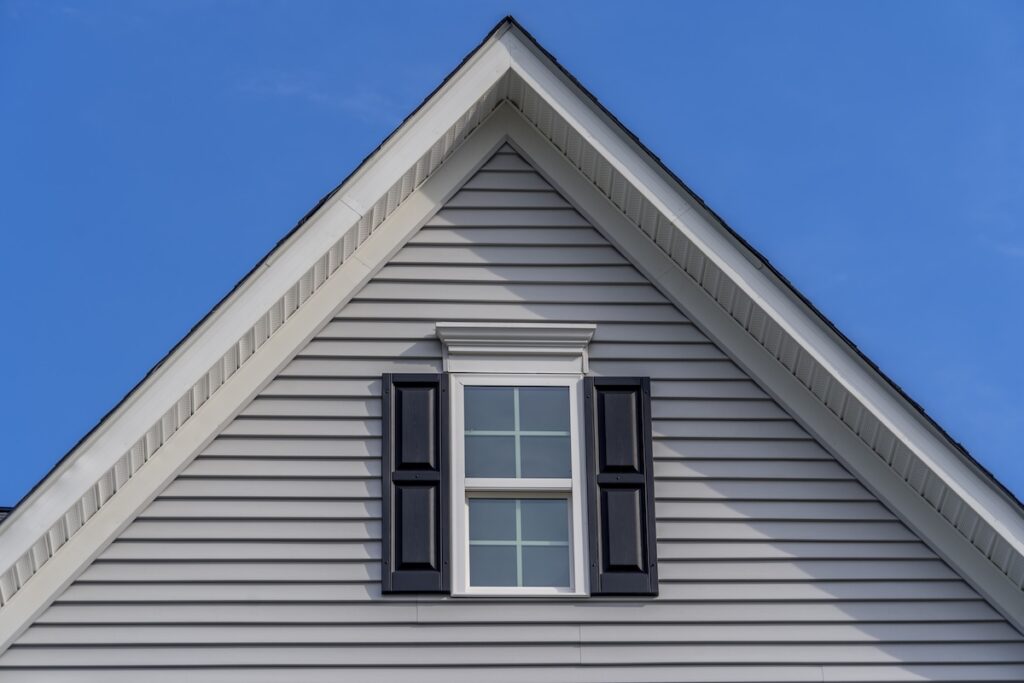
8 Factors To Consider When Choosing Between Roof Types
When deciding between a hip or gable roof, homeowners should weigh multiple considerations that affect both performance and aesthetics.
- Climate and Weather Conditions: In regions with high winds, hurricanes, or heavy snowfall, hip roofs generally perform better. Gable roofs, however, are often preferred in areas with milder weather due to their simplicity and ventilation benefits.
- Aesthetic Preferences: Hip roofs deliver a smooth, symmetrical look that complements modern, Mediterranean, and ranch-style homes. Gable roofs offer bold, traditional lines that suit classic and farmhouse-style designs.
- Budget and Maintenance: Gable roofs are more affordable to install and maintain, while hip roofs require a higher initial investment but often deliver greater long-term resilience.
- Attic Space and Ventilation Needs: Gable roofs create more usable attic space and natural airflow. Hip roofs may require extra venting solutions to achieve the same level of ventilation.
- Wind Resistance: Homeowners in coastal or storm-prone areas often choose hip roofs for their ability to resist wind uplift and reduce pressure points.
- Drainage Performance: Hip roofs provide even drainage on all sides, minimizing the risk of pooling water. Gable roofs rely more heavily on pitch angle and gutter design to direct water effectively.
- Construction Complexity: Gable roofs are easier to frame, reducing labor costs and construction time. Hip roofs, while more complex, offer superior strength and balance due to their interconnected slopes.
- Energy Efficiency: Gable roofs can offer better attic ventilation, which helps regulate indoor temperature and reduce cooling costs. Hip roofs may retain heat more evenly, which benefits homes in colder climates.
How Capstone Roofing Installs Hip and Gable Roofs
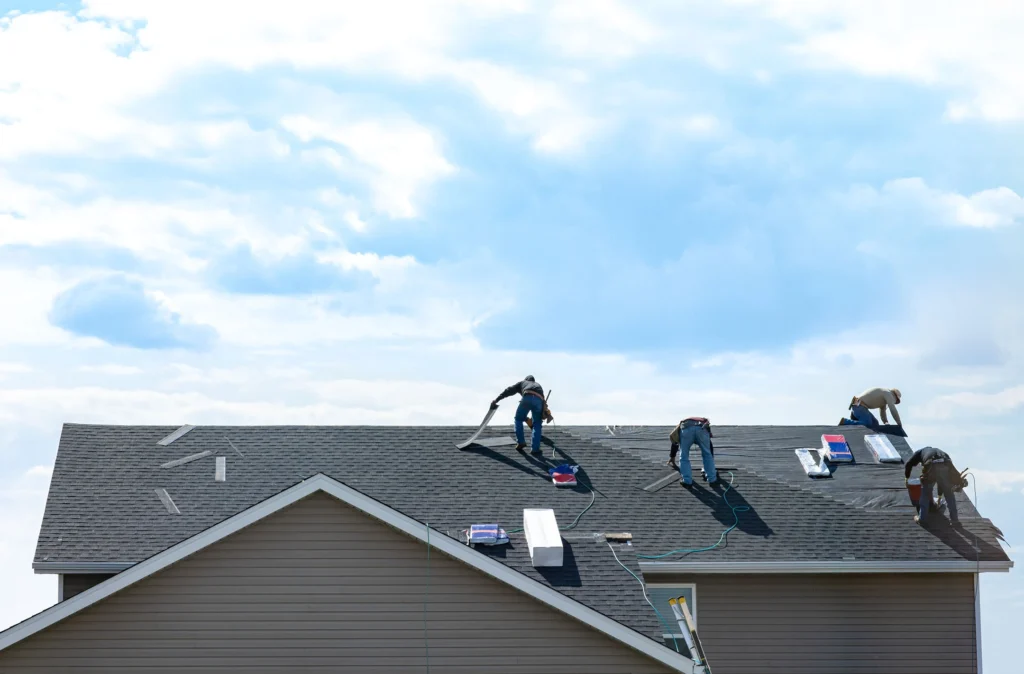
Whether your home features a hip or gable design, professional installation is essential to ensure strength, performance, and longevity. Capstone Roofing follows strict procedures to deliver dependable results for every roofing system.
Structural Preparation
Our team begins with a thorough inspection of your home’s framework and trusses. We ensure the structure can support the roof type, pitch, and materials selected.
Precision Framing and Decking
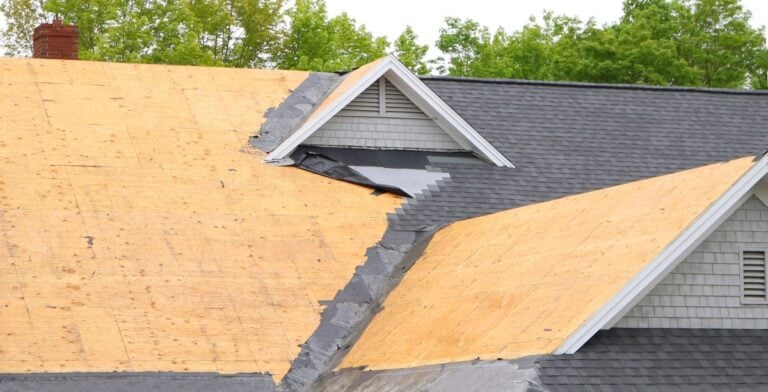
We construct and reinforce the framework using high-quality lumber and connectors, paying close attention to angles and alignment. Roof decking is installed securely to create a strong, uniform surface.
Waterproofing and Material Application
Underlayment, flashing, and shingles are installed according to manufacturer guidelines. This ensures maximum water resistance and wind protection, especially along ridges and valleys.
Final Inspection and Ventilation Setup
Before project completion, our team verifies that ventilation, drainage, and alignment meet the highest industry standards. Proper airflow and sealing guarantee your roof performs reliably for decades.
Maintenance Tips for Either Roof Type
Routine maintenance helps both hip and gable roofs perform efficiently over time.
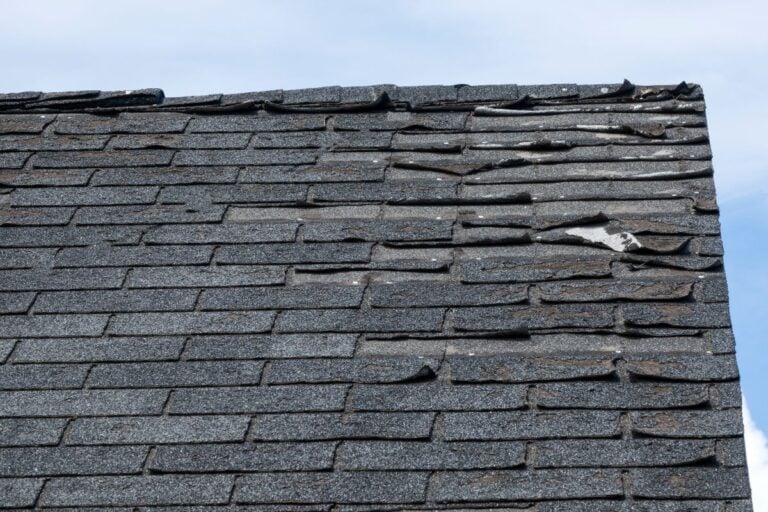
- Inspect after storms: Check for missing shingles, damaged flashing, or lifted seams.
- Clean gutters regularly: Proper drainage prevents leaks and water pooling along roof edges.
- Monitor ventilation: Ensure ridge and soffit vents remain unobstructed for consistent airflow.
- Schedule annual inspections: Capstone Roofing offers professional evaluations to identify early signs of wear.
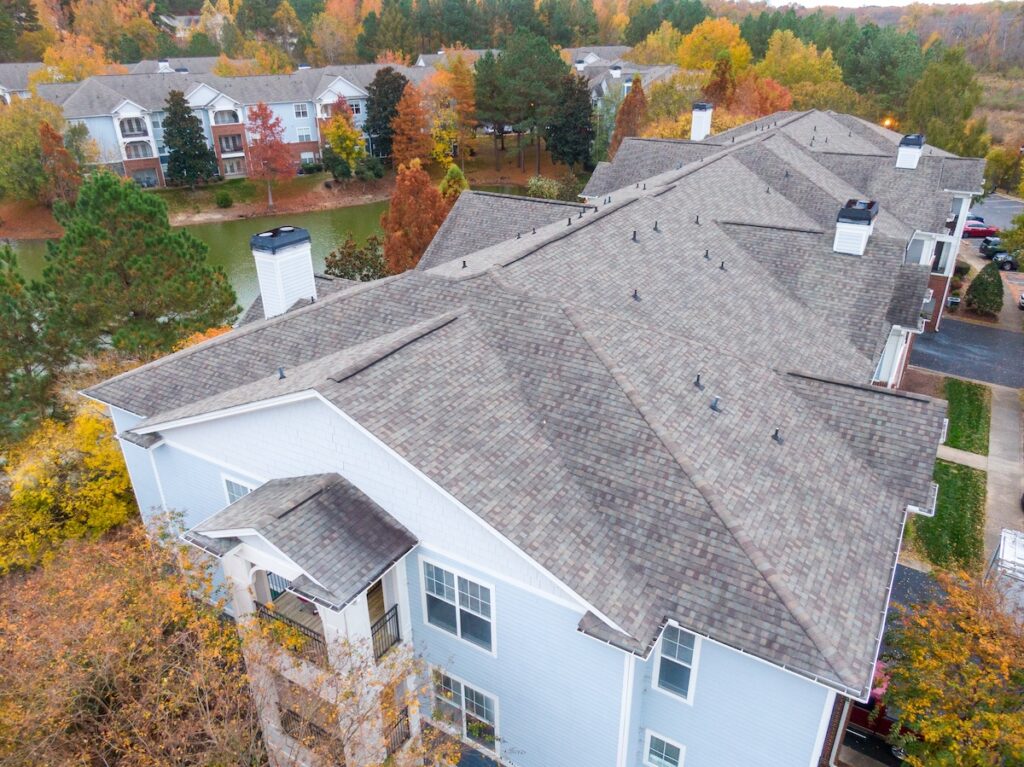
Why Homeowners Trust Capstone Roofing
At Capstone Roofing, our team combines experience and precision to deliver roofing systems built for longevity and style. Whether you prefer the balanced structure of a hip roof or the classic appeal of a gable roof, we ensure every detail meets our high-quality standards.
- Expert craftsmanship: Our installers are trained to handle all roof types with care and accuracy.
- Durable materials: We use trusted, manufacturer-approved products for lasting performance.
- Customer focus: Every project is tailored to your home’s design, climate, and long-term goals.
Choosing Between a Hip Roof and a Gable Roof
Deciding between a hip roof vs gable roof comes down to priorities—whether you value wind resistance and symmetry or cost efficiency and added space. Hip roofs offer exceptional strength and durability, while gable roofs deliver simplicity and classic style.
At Capstone Roofing, we help homeowners make informed choices backed by expert guidance and superior workmanship. Whether you’re planning a new roof or replacing an old one, our team provides reliable, high-quality solutions designed to protect your home for decades. Contact Capstone Roofing today for a professional consultation and free roofing estimate.


4.8 RATING

5.0 RATING

A+ RATING