

How Often Replace Roof? 8 Signs It’s Time
A common question we hear from homeowners is: how often replace roof materials to avoid costly damage? The answer depends on a few factors, including your roof’s age, material type, local weather conditions, and how well it’s been maintained over the years.
- Material lifespan varies: Asphalt, metal, tile, and wood all age differently.
- Signs of damage build over time: Catching problems early prevents expensive repairs.
- Inspections help guide timing: A professional opinion ensures you’re not replacing too soon or too late.
If you’re not sure whether your roof is still doing its job, these eight warning signs can help you decide whether it’s time for a replacement.
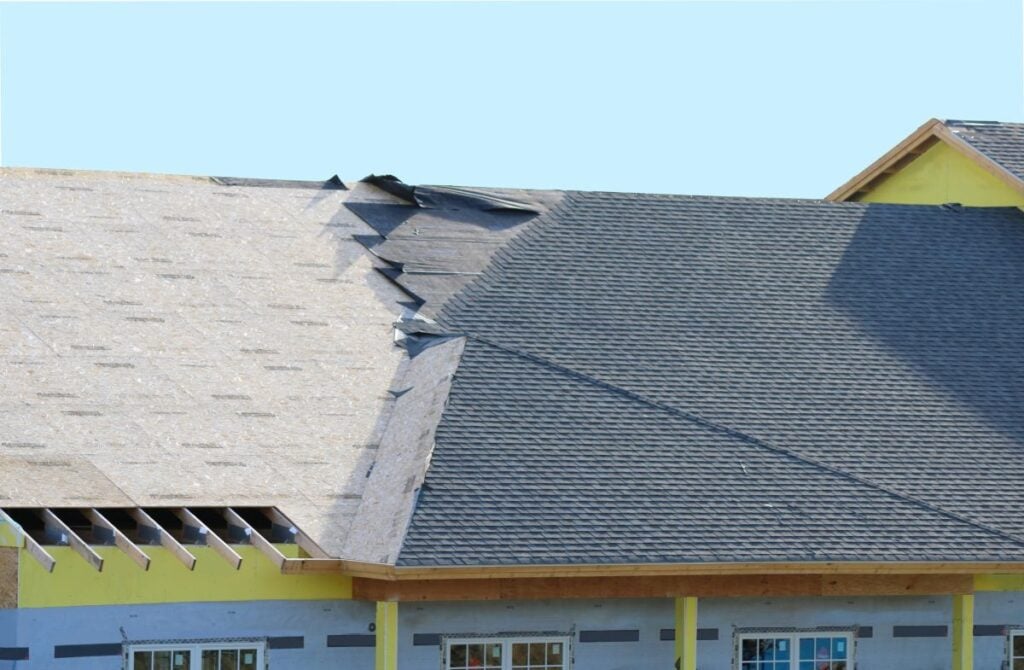
How Long Should a Roof Last?
Most roofing systems have a general lifespan, but actual performance varies depending on climate, installation quality, and maintenance habits. Here are average lifespans for common materials:
- Asphalt shingles: 15–30 years depending on the shingle type (3-tab vs. architectural).
- Metal roofing: 40–70 years with minimal maintenance and good ventilation.
- Clay or concrete tile: 50+ years, often lasting the life of the home if properly installed.
- Wood shakes or shingles: 20–40 years with good ventilation and no excessive moisture exposure.
- Synthetic materials: 25–50 years, depending on the brand and UV stability.
Even if your roof appears visually intact, it may be nearing the end of its lifespan. Factors like UV exposure, moisture retention, freeze-thaw cycles, and attic ventilation all influence how long your roofing material lasts.
Having a professional roofer from Capstone Roofing evaluate these environmental factors can give you a much more accurate timeline for your specific system.
How Climate Impacts Roof Longevity
Your local climate has a big effect on how long your roof lasts, and when it should be replaced. For example, homeowners in hot, sunny climates may see shingles deteriorate faster due to UV breakdown. In colder climates, ice dams and freeze-thaw cycles can shorten the life of the roofing system.
High humidity and coastal moisture may accelerate rot or corrosion on certain materials, while wind-prone areas can wear down flashing and dislodge shingles more quickly. Even if your roof is made of a high-end material like metal or tile, climate stress can still weaken it over time. Roofs in storm-prone areas should be inspected more frequently, especially after high wind or hail events.
8 Signs It’s Time to Replace Your Roof
These signs go beyond cosmetic wear and can indicate structural concerns or moisture intrusion that put your home at risk.
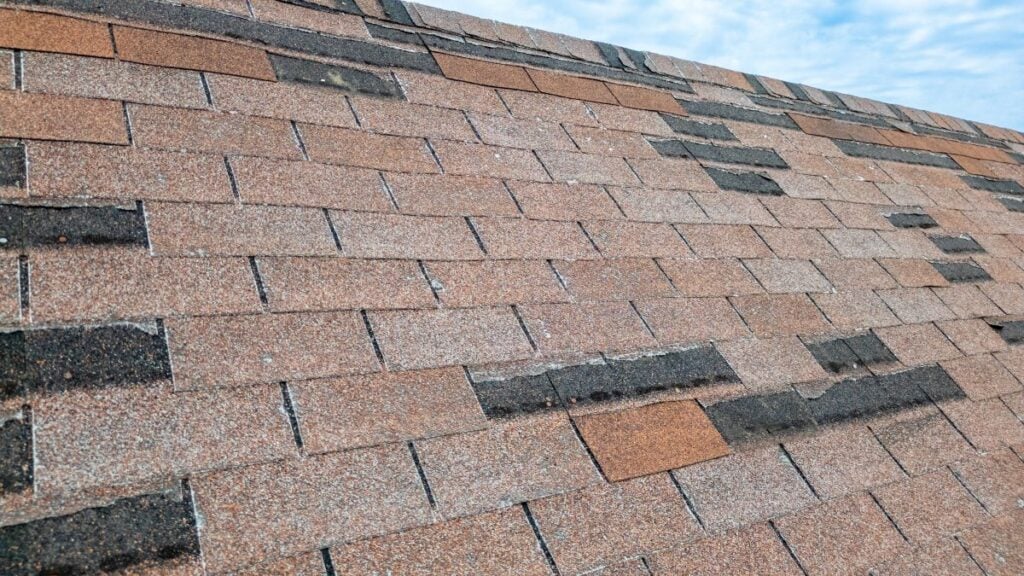
1. Curling or Missing Shingles
- Visible wear: Curling, cracking, or missing shingles are signs of age and vulnerability.
- Water risk: Damaged shingles no longer protect your roof deck from rain and wind.
- Storm damage: Missing shingles after storms should be addressed quickly. Ignoring the risks of missing shingles can quickly compromise the underlying deck
- Accelerated aging: Shingles exposed to long-term heat or poor ventilation may break down faster than expected.
2. Sagging Rooflines
- Structural concern: Sagging areas may indicate rot, damaged decking, or weakened supports.
- Trapped moisture: Leaks left unchecked can cause wood to warp and lose strength.
- Time-sensitive issue: Sagging sections should be inspected as soon as possible.
- Potential interior damage: Sagging may also lead to ceiling cracks or misaligned walls inside the home.
3. Leaks or Water Stains in the Attic
- Interior clues: Water stains, musty smells, or wet insulation are signs of active leaks.
- Flashing failures: Around chimneys, vents, or valleys are common leak locations.
- Roof deck damage: Ongoing leaks on the roof can lead to mold, rot, and costly repairs.
- Insulation issues: Wet insulation becomes ineffective and may raise energy bills.
4. Age of the Roof
- Lifespan reached: If your roof is 20+ years old, it may be nearing the end of its useful life.
- Warranty expired: Older roofs may no longer be covered by manufacturer warranties.
- Preventive planning: Replacing an old roof before major failure saves money in the long run.
- Peace of mind: A new roof removes uncertainty and protects your home during storms.
5. Granule Loss or Bald Spots
- Check your gutters: Excessive granules mean shingles are breaking down.
- UV damage: Bald spots on shingles reduce their protective abilities.
- Worn appearance: Roofs may start to look patchy or faded as they degrade.
- Accelerated deterioration: Without granules, shingles lose weather resistance quickly.
6. Flashing or Vent Damage
- Metal fatigue: Old flashing may crack or pull away from the roof over time.
- Leak source: Damaged flashing around skylights or vents often causes hidden leaks.
- Upgrade opportunity: Modern flashing systems offer better protection than older versions.
- Corrosion or gaps: Watch for rust or sealant breakdown around flashing edges.
7. High Energy Bills
- Insulation failure: Old roofs may allow more heat transfer, increasing energy use.
- Ventilation issues: Poor airflow traps heat in the attic, affecting comfort and utility costs.
- Improved materials: New roofing systems can include energy-efficient upgrades.
- Summer and winter effects: Both cooling and heating costs may spike due to a failing roof.
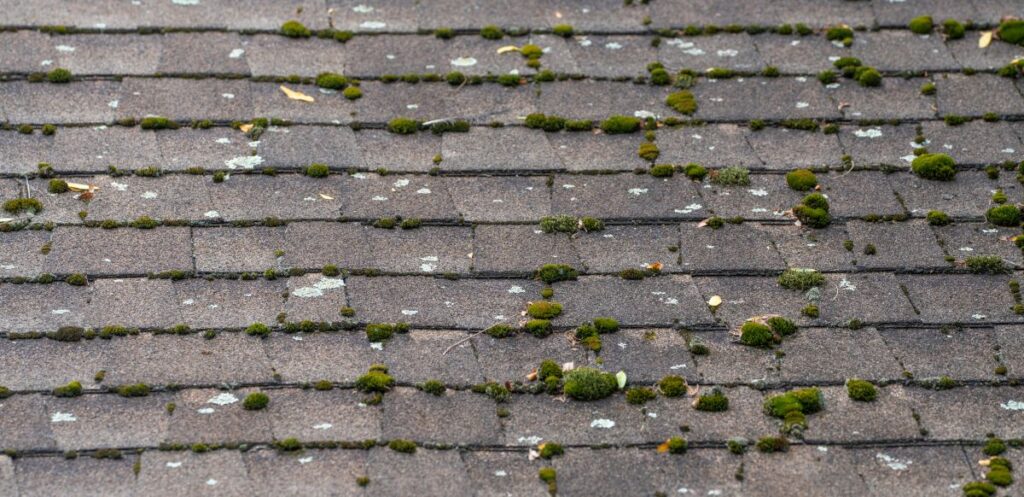
8. Moss, Algae, or Mold Growth
- Shaded areas: North-facing slopes or tree-covered sections are more vulnerable.
- Moisture retention: Organic growth holds water, leading to faster roof deterioration.
- Curb appeal impact: Heavy growth can make your roof look older than it is.
- Hidden risks: Moss can lift shingles, allowing water to seep underneath.
Don’t Wait for a Leak to Replace Your Roof
Many homeowners wait until an obvious leak appears before taking action, but by then, the damage may have already affected the roof decking, attic insulation, or even drywall inside the home. Replacing your roof proactively can help you avoid interior repairs and protect your home’s value.
It’s also important to remember that insurance often doesn’t cover damage caused by neglect. If your roof is clearly worn out and overdue for replacement, delays could lead to uncovered losses in the event of a storm or leak.
If you spot any of these red flags, bringing in a qualified contractor is the safest way to prevent minor surface wear from turning into major structural failures.
Know When It’s Time to Replace Your Roof
If you’ve been asking yourself how often replace roof materials, the answer depends on what you’re seeing, or not seeing, up top. Age, wear, and structural issues all signal that it may be time for an upgrade. Paying attention to the signs and acting early can save you money and headaches in the long run.
Capstone Roofing Inc. is here to help you make the right decision at the right time. Contact us today to schedule a free inspection and get expert guidance on whether your roof is ready for repair or replacement.


4.8 RATING

5.0 RATING

A+ RATING