

How to Clean a Metal Roof (5 Dos & Don’ts)
Understanding how to clean a metal roof properly is one of the smartest steps homeowners can take to protect their investment and keep their roofing system performing at its best. At Capstone Roofing Inc., we have helped countless homeowners care for metal roofs of every type and color, and we know that the right cleaning approach makes the difference between a roof that looks great for decades and one that develops avoidable wear. Metal roofs are remarkably durable, but they still require occasional cleaning to remove debris, pollen, and biological growth that can affect appearance and accelerate corrosion over time. The good news is that with the right approach, cleaning a metal roof is a manageable task that homeowners can plan for confidently.
In this guide, we walk through the essential dos and don’ts of metal roof cleaning along with the key information homeowners need to keep their roof in excellent condition. We will cover:
- The right approach to cleaning: Five dos that protect both the roof and the person doing the work.
- Common mistakes to avoid: Five don’ts that can damage metal roofs, void warranties, or cause unnecessary problems.
- Maintenance frequency guidelines: How often metal roofs typically need cleaning based on the surrounding environment.
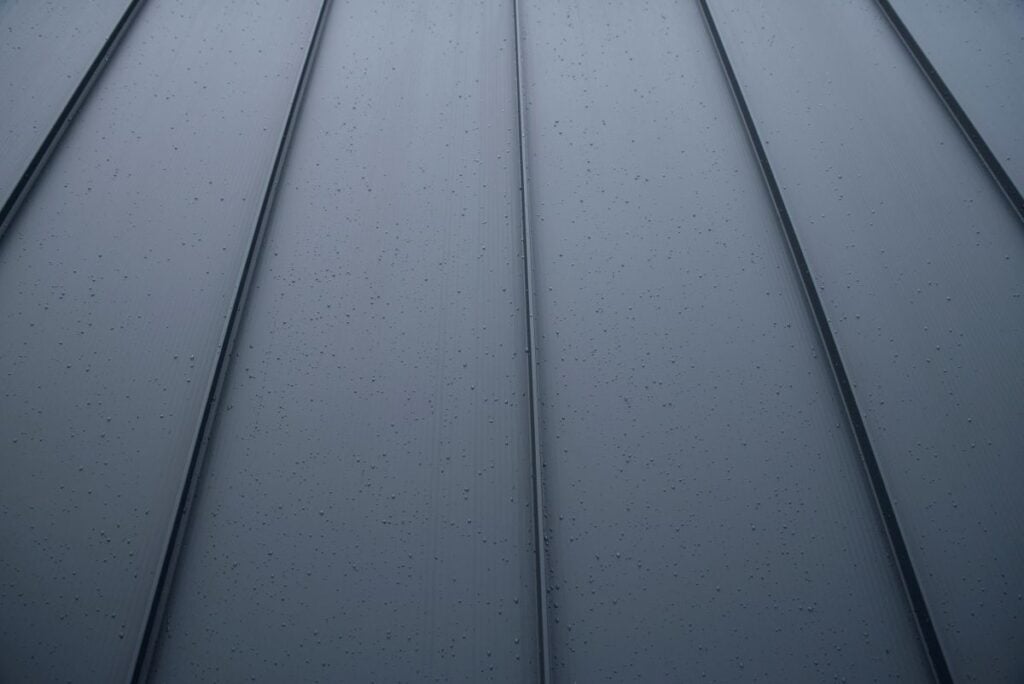
Why Metal Roof Cleaning Matters
Metal roofs offer exceptional durability, but they are not entirely maintenance-free. Debris like leaves, branches, and pine needles can trap moisture against the surface, while pollen, dirt, and biological growth can dull finishes and accelerate paint degradation. Routine cleaning removes these threats before they cause lasting damage and helps the roof maintain its appearance and performance. We have seen too many metal roofs develop unnecessary wear simply because basic cleaning was overlooked for years at a time.
What Builds Up on a Metal Roof Over Time
Metal roofs accumulate several common types of buildup that can affect both appearance and performance. Understanding what tends to collect on the surface helps homeowners recognize when cleaning is needed and what they are actually removing during the process. We always assess what is on a roof before recommending a specific cleaning approach.
- Organic debris: Leaves, twigs, pine needles, and other plant material that lands on the roof and may stay trapped against panels or in valleys.
- Algae and mildew: Biological growth that thrives in shaded, damp areas of the roof and can leave stains over time.
- Pollen and dust: Fine particles that build up gradually and dull the appearance of the roof surface.
- Bird droppings and pollutants: Acidic substances that can damage paint finishes if left unaddressed for long periods.
Benefits of Routine Metal Roof Cleaning
Cleaning a metal roof on a regular basis delivers benefits that extend well beyond appearance. The right cleaning approach protects the paint finish, prevents corrosion, and supports the long lifespan that makes metal roofing such a smart investment. We always emphasize that maintenance is one of the easiest ways to protect the value of a metal roof.
- Extended paint life: Removing dirt, pollen, and pollutants prevents premature degradation of the painted finish.
- Corrosion prevention: Clearing debris that traps moisture against the surface reduces the risk of rust and corrosion.
- Preserved curb appeal: A clean metal roof maintains the appearance that makes it an attractive feature of the home.
- Warranty protection: Some manufacturer warranties require documented maintenance to remain valid over the years.
5 Dos for Cleaning a Metal Roof
When cleaning a metal roof, following a few key best practices delivers safer, more effective results. Below are the five dos we recommend whenever homeowners or professionals approach the task. Each one plays a role in protecting the roof, the home, and the person doing the work.
1. Do Use Gentle, Roof-Safe Cleaning Solutions
The right cleaning solution removes dirt and biological growth without damaging the painted finish or protective coatings on the roof. We recommend starting with the mildest option that will get the job done and only escalating to stronger solutions if needed. Manufacturer guidelines often specify which cleaning agents are safe for a particular roof, and following these recommendations protects both the finish and any warranty coverage.
- Mild detergent and water: A simple solution of mild dish soap and water handles most routine cleaning needs.
- Manufacturer-approved cleaners: Always check the metal roof manufacturer’s recommendations before using specialty products.
- Vinegar solution: A mix of equal parts white vinegar and water works for light algae or mineral stains.
- Commercial metal roof cleaners: Use products specifically formulated for painted metal roofing when stronger cleaning is needed.
2. Do Use a Soft-Bristle Brush or Sponge
The tools used during metal roof cleaning matter as much as the cleaning solution. Soft-bristle brushes, microfiber cloths, and non-abrasive sponges remove dirt and debris without scratching the painted surface. We always use the gentlest tool that effectively does the job, since scratches and abrasions create entry points for corrosion and reduce the protective qualities of the paint finish.
- Soft-bristle brush: A long-handled brush with soft bristles allows gentle scrubbing without surface damage.
- Non-abrasive sponge: A standard cleaning sponge works well for spot cleaning specific areas.
- Microfiber cloths: These work well for stubborn stains or for drying and polishing after cleaning.
- Avoid stiff bristles: Wire brushes, scouring pads, and rough scrubbers can permanently damage the paint finish.
3. Do Rinse Thoroughly From the Top Down
Proper rinsing removes all cleaning solution and loose debris from the roof surface. We always rinse from the highest point of the roof down toward the gutters, which keeps debris flowing off the roof rather than collecting in lower sections. Standard garden hose pressure is more than sufficient for this work, and thorough rinsing prevents soap residue from leaving streaks or attracting more dirt.
- Top-down direction: Start rinsing at the ridge and work downward so debris flows off the roof.
- Standard garden hose: Use regular hose pressure with a standard spray nozzle, never a pressure washer.
- Complete coverage: Rinse every area where cleaning solution was applied to prevent residue or streaking.
- Final gutter flush: Run water through the gutters after rinsing to clear any debris that washed down.
4. Do Inspect the Roof During Cleaning
Cleaning provides an ideal opportunity to inspect the roof up close for any developing issues. Loose fasteners, damaged sealant, scratches, and small dents are far easier to spot during a hands-on cleaning than from the ground. We always document anything we find during cleaning so it can be addressed before it grows into a larger problem.
- Fastener check: Look for backed-out screws, loose fasteners, or missing washers that need attention.
- Sealant inspection: Examine sealant around penetrations, flashings, and seams for cracks or separation.
- Surface damage: Note any scratches, dings, or paint chips that may need touch-up or repair.
- Flashing condition: Check flashing around chimneys, vents, and skylights for any signs of movement or damage.
5. Do Plan for Routine Maintenance
The final do is planning for ongoing metal roof maintenance rather than treating each cleaning as a one-time event. According to the Metal Construction Association’s service life assessment, periodic cleaning on a regular basis is part of helping a metal roof reach its expected service life of 60 years or more. Setting a regular cleaning schedule, addressing small issues promptly, and trimming overhanging branches all contribute to a metal roof that performs reliably for decades.
- Cleaning schedule: Plan for routine cleaning at least once or twice a year depending on the surrounding environment.
- Tree trimming: Trim overhanging branches to reduce debris and shade that contributes to biological growth.
- Prompt repairs: Address minor issues during cleaning rather than waiting for them to grow into larger problems.
- Professional inspections: Schedule periodic professional inspections to catch issues that homeowner cleaning might miss.
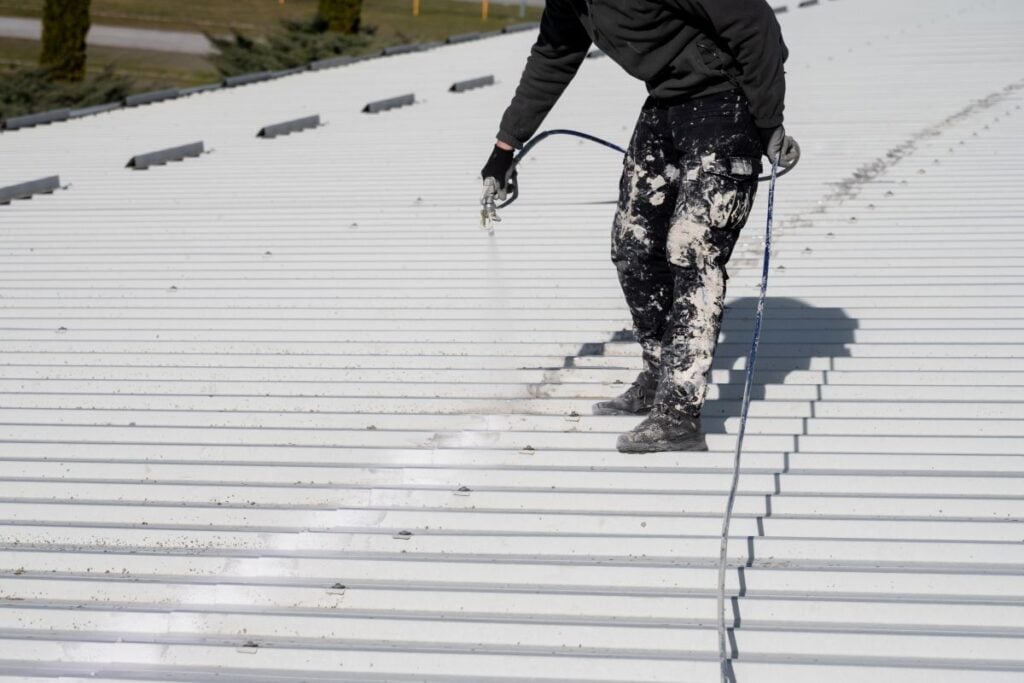
5 Don’ts for Cleaning a Metal Roof
Just as important as the right techniques are the common mistakes that can damage a metal roof during cleaning. Below are the five don’ts we always warn homeowners about. Avoiding these pitfalls protects the roof, the finish, and the long-term value of the investment.
1. Don’t Use a Pressure Washer at High Pressure
High-pressure washing is one of the most common causes of metal roof damage during cleaning. The force of pressurized water can strip paint, damage seams, and force water under panels and into the underlayment. We strongly recommend standard garden hose pressure for all metal roof cleaning. If a pressure washer must be used, the lowest setting and a wide spray pattern from a safe distance are essential, although a regular hose is almost always the better choice.
- Paint damage: High pressure can strip painted finishes, exposing the underlying metal to corrosion.
- Seam compromise: Pressurized water can force its way through seams, sealants, and around fasteners.
- Underlayment intrusion: Water driven under panels can saturate insulation and decking beneath the roof.
- Warranty risk: Many manufacturers specifically exclude damage caused by pressure washing from warranty coverage.
2. Don’t Use Harsh Chemicals or Abrasive Cleaners
Many household cleaners are too aggressive for use on painted metal roofing surfaces. Bleach, ammonia, and acidic cleaners can damage paint finishes, while abrasive powders and scouring agents can scratch the surface. We always recommend mild, manufacturer-approved cleaning products and warn homeowners to avoid the temptation of using whatever is available under the kitchen sink.
- Avoid undiluted bleach: Strong bleach solutions can damage paint and contribute to premature finish failure.
- Skip ammonia products: Ammonia-based cleaners can react with metal coatings and harm the painted surface.
- No acidic cleaners: Strong acids damage protective coatings and accelerate corrosion of the underlying metal.
- Skip abrasive powders: Scouring powders and similar cleaners scratch surfaces that should remain smooth.
3. Don’t Walk Directly on Metal Panels
Walking on metal roof panels can cause dents, oil canning, and panel deflection that may not be immediately visible. The pressure points where feet land concentrate weight in small areas that the panels were not designed to bear. We always recommend professional cleaning when possible, since experienced roofers know exactly where panels are best supported and how to walk safely on metal roofs without causing damage.
- Dent risk: Foot pressure can create permanent dents in metal panels that are difficult to repair.
- Walk on supported areas: When walking is necessary, step where panels are supported by purlins or rafters below.
- Soft-soled shoes: Use clean, soft-soled shoes to distribute weight and avoid leaving marks on the surface.
- Consider professional help: Hire experienced roofers when extensive walking on the roof is required.
4. Don’t Use Metal Tools or Wire Brushes
Metal scrapers, wire brushes, and similar abrasive tools are some of the most common sources of metal roof damage during cleaning. These tools strip the protective paint and coating, leaving the underlying metal vulnerable to corrosion. We see this damage often on roofs that homeowners attempted to clean themselves with whatever tools they had on hand. Sticking to soft tools protects the finish that does so much to extend the roof’s lifespan.
- No wire brushes: Wire bristles scratch and remove paint, creating entry points for rust and corrosion.
- Skip metal scrapers: Hard metal edges damage finishes and may bend or deform panels.
- Avoid steel wool: Even fine steel wool can scratch paint and embed metal particles into the surface.
- Use plastic when needed: Plastic scrapers can handle stubborn debris without damaging the painted finish.
5. Don’t Ignore Manufacturer Cleaning Guidelines
Every metal roofing manufacturer provides specific cleaning recommendations for their products. These guidelines exist because different paint systems, coatings, and metal substrates respond differently to various cleaning approaches. We always check the manufacturer guidelines before recommending a cleaning approach, and we encourage homeowners to do the same. Following these instructions protects warranty coverage and ensures the cleaning approach actually matches the roof being cleaned.
- Warranty preservation: Many warranties require following manufacturer cleaning guidelines to remain valid.
- Product compatibility: Manufacturer guidelines specify which cleaning products are safe for their specific coatings.
- Documented maintenance: Some warranties require documented maintenance, including records of cleaning practices.
- Manufacturer support: Following guidelines makes it easier to get manufacturer support if issues arise later.
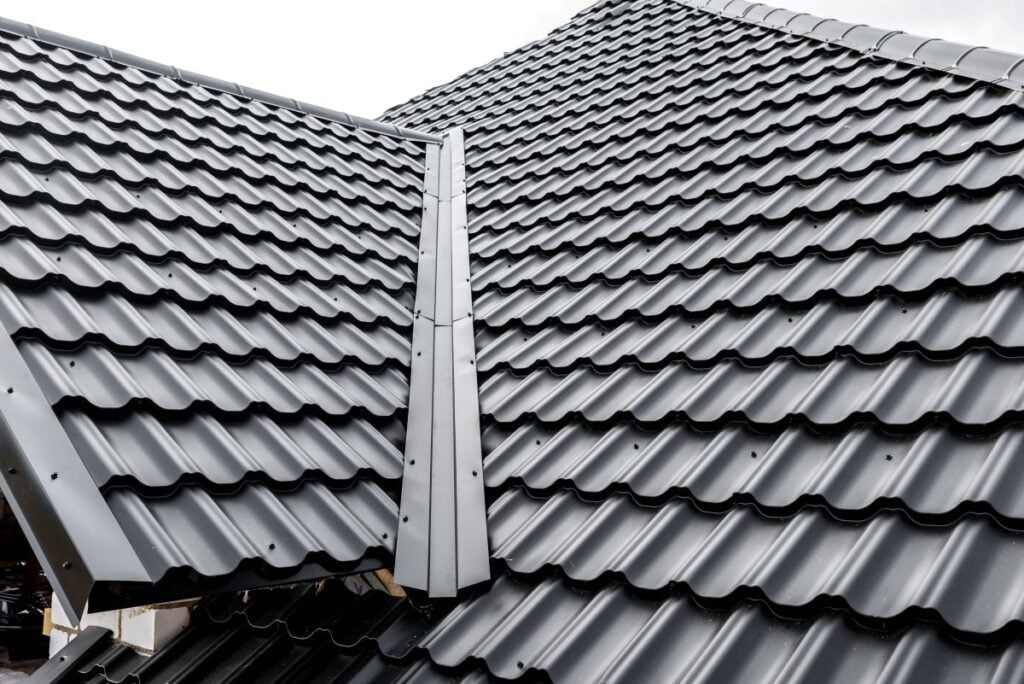
Frequently Asked Questions About Metal Roof Cleaning
Homeowners often have similar questions about how to care for a metal roof. Below are direct answers to the questions we hear most often. These answers reflect general guidance and can be tailored to specific roofing systems during a professional consultation.
How Often Should a Metal Roof Be Cleaned?
Most metal roofs benefit from cleaning once or twice a year depending on the surrounding environment, with more frequent attention needed for properties with heavy tree coverage, coastal exposure, or significant pollen. Annual cleaning works well for most homes in typical suburban or rural settings. We help homeowners determine the right schedule based on their specific property conditions during professional consultations.
- Standard schedule: Once or twice a year for most metal roofs in typical conditions.
- Wooded properties: More frequent cleaning may be needed due to heavier debris and shade.
- Coastal homes: Salt exposure often calls for more frequent cleaning to prevent corrosion.
- High-pollen regions: Areas with significant seasonal pollen may benefit from additional cleanings.
Can I Clean My Metal Roof Myself?
Homeowners can clean their own metal roofs when they are comfortable with heights, have the proper equipment, and can do the work safely. Many homeowners benefit from professional help, especially on steep roofs, complex roof designs, or when extensive cleaning is needed. We always recommend honest assessment of personal comfort and capability before climbing onto a roof for cleaning work.
- DIY suitable: Lower-slope roofs with easy access and confident ladder users.
- Professional recommended: Steep slopes, complex roof designs, or extensive cleaning needs.
- Safety considerations: Anyone uncomfortable with heights should consider professional service.
- Tools and expertise: Hiring out saves time and ensures proper techniques are used.
Will Cleaning Damage My Metal Roof Finish?
Cleaning a metal roof should not damage the finish when done correctly with the right products and techniques. Damage typically occurs from using harsh chemicals, abrasive tools, high pressure washing, or improper techniques. We always follow manufacturer guidelines and use gentle methods that protect the painted surface throughout the entire cleaning process.
- Correct methods: Soft tools, mild cleaners, and gentle techniques preserve the paint finish.
- Damage causes: Harsh chemicals, abrasive tools, and pressure washing cause most cleaning-related damage.
- Manufacturer guidance: Following manufacturer recommendations protects both the finish and warranty.
- Professional assurance: Experienced roofers know which products and techniques are safe for specific roof types.
Trust Capstone Roofing Inc. for Metal Roof Care
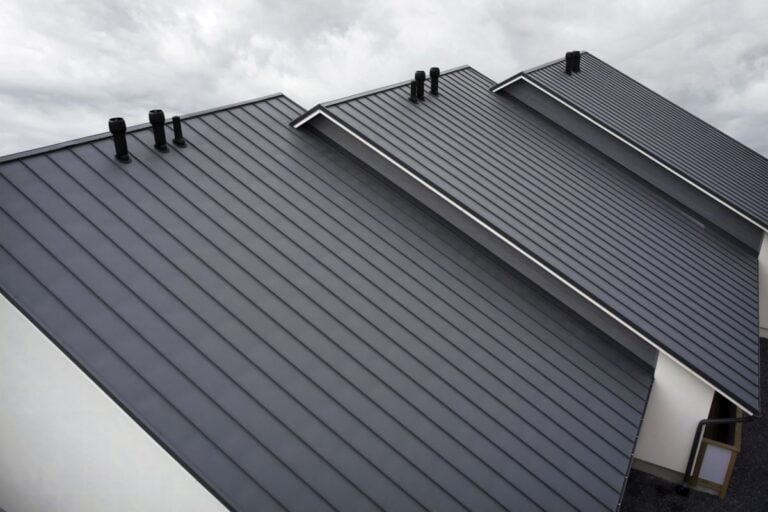
A metal roof is one of the longest-lasting investments a homeowner can make, and proper cleaning and maintenance help that investment deliver decades of reliable protection. At Capstone Roofing Inc., we bring deep experience with metal roofing of every type and treat each project with the same care we would give our own homes. Our team understands how different metal roofing systems respond to cleaning, what techniques protect both the finish and the underlying structure, and how to spot issues that homeowners might miss. We pride ourselves on honest assessments, transparent communication, and craftsmanship that protects homes for the long term. If you want professional help cleaning your metal roof or simply want a thorough inspection to understand its current condition, we are here to help. Contact Capstone Roofing Inc. today for a free inspection and expert guidance from a team you can trust.


4.8 RATING

5.0 RATING

A+ RATING