

How to File a Roof Insurance Claim: 5 Steps to Follow
Knowing how to file a roof insurance claim involves five core steps: documenting the damage, reviewing the policy, contacting the insurance company, meeting with the adjuster, and reviewing the settlement offer. At Capstone Roofing Inc., we believe informed homeowners make better decisions throughout the entire roofing process, including when working with their insurance company. Insurance claims are a common part of homeownership in the United States. According to the Insurance Information Institute, about 5.3 percent of insured homes had a claim in 2023, with property damage accounting for 97.3 percent of all homeowners insurance claims. Understanding the process before damage occurs helps homeowners feel prepared rather than overwhelmed when the time comes to file.
In this educational guide, we walk through the complete roof insurance claim process step by step. We will cover:
- What roof damage typically qualifies: The types of events that generally trigger a covered insurance claim under standard homeowners policies.
- The five-step claim filing process: A clear breakdown of every step from discovering damage to receiving a settlement.
- Common mistakes to avoid: Pitfalls that can delay, reduce, or void a roof insurance claim entirely.
What Damage Qualifies for a Roof Insurance Claim?
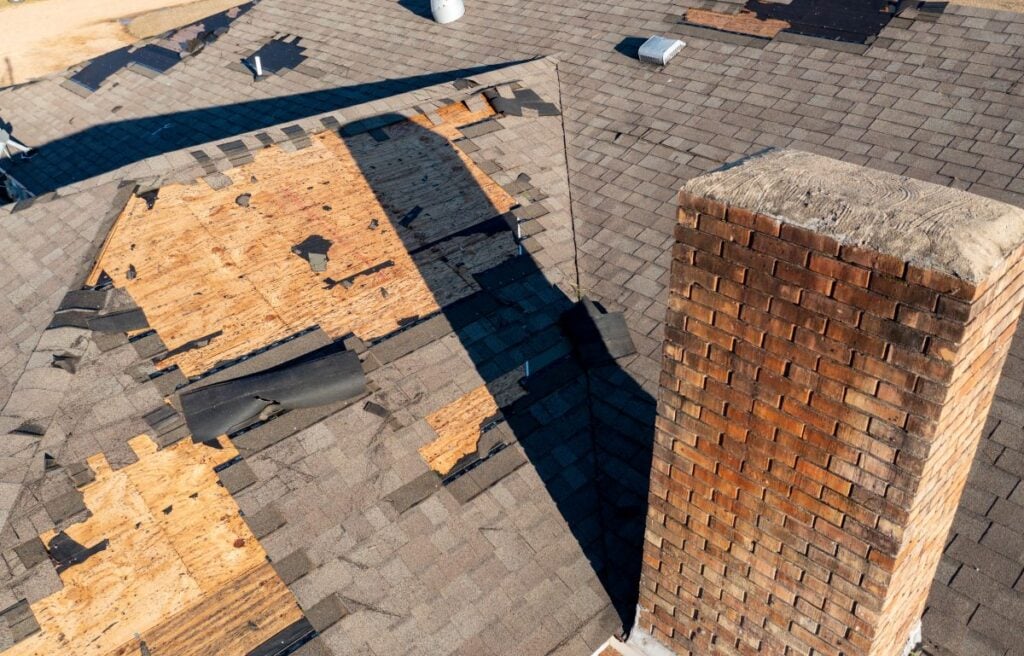
Most home insurance and roofing insurance policies typically cover sudden and accidental damage to your roof, such as that caused by specific perils. These policies may offer different coverage options, such as Actual Cash Value (ACV) and Replacement Cost Value (RCV), which affect how roof damage claims are settled. However, most standard homeowners insurance policies do not cover damage caused by earthquakes and floods, even if such events result in sudden and accidental damage. Understanding which events qualify helps homeowners decide whether filing a home insurance claim makes sense before they start the process. We often see homeowners surprised to learn what insurance covers and what a policy covers, which is why reviewing the policy itself is always the right starting point.
Which Roof Damage Is Typically Covered?
Standard homeowners insurance policies generally cover roof damage caused by sudden and accidental damage from specific perils. The key qualifying factor is whether the damage was the result of an unforeseen incident rather than gradual deterioration. Homeowners can usually expect coverage for storm-related and impact-related damage, although every policy has specific terms that determine the exact scope.
- Wind damage: High winds that lift, tear, or remove shingles are commonly covered under standard homeowners policies.
- Hail damage: Hailstorms that bruise, crack, or compromise roofing materials typically trigger insurance claims.
- Fallen tree limbs or debris: Sudden impact damage from trees or storm debris is generally a covered event.
- Falling objects: Damage caused by falling objects, such as branches or debris striking the roof, is typically covered.
- Severe weather: Severe weather events, including hurricanes, tornadoes, and heavy storms, are often covered perils if they cause sudden and accidental damage to the roof.
- Fire and lightning: Damage from fire or lightning strikes is almost always covered under standard policies.
Which Roof Damage Is Typically Not Covered?
Homeowners often discover at the worst possible moment that certain types of roof damage are not covered by their policy. Knowing these exclusions ahead of time helps families set realistic expectations and avoid surprises during the claim process. We always recommend reading the full policy or speaking directly with the insurance company to understand exactly what coverage applies to a specific home. The roof’s age can also affect whether your policy covers or insurance covers certain types of damage, especially for older roofs.
- Normal wear and tear / Normal wear: Damage caused by aging materials, normal weathering, normal wear, or end-of-lifespan deterioration is generally excluded. Insurance covers unexpected events, not gradual deterioration from normal wear and tear.
- Poor maintenance / Maintenance issues: Problems that result from neglected maintenance, poor maintenance, like clogged gutters or unaddressed leaks, are typically not covered. Damage due to poor maintenance is considered preventable and is excluded from what your policy covers.
- Flood damage: Standard homeowners policies do not cover flood damage, which requires separate flood insurance.
- Cosmetic damage exclusions: Some policies exclude purely cosmetic damage that does not affect the roof’s functional integrity.
5 Steps to File a Roof Insurance Claim
The roof insurance claim process follows a clear sequence: document the damage, review the policy, contact the insurance company, meet with the adjuster, and review the settlement offer. Each step builds on the last and plays an important role in supporting a complete and well-documented claim.
1. Document the Roof Damage Thoroughly
The first step is to document everything carefully before any cleanup or temporary repairs begin. Strong documentation is the foundation of any successful claim because it gives the insurance adjuster a clear picture of what happened. Photos, videos, dates, and weather records all support the timeline and severity of the damage. We recommend capturing the damage from multiple angles and distances so nothing is missed during the adjuster’s review.
- Wide and close-up photos: Capture both broad views of the roof and close-ups of specific damaged areas for complete documentation.
- Video walkthroughs: A short video showing the damage from multiple angles can help adjusters understand the scope of the problem.
- Date and time records: Note when the damage occurred or was discovered, along with any related weather events from local news or weather services.
- Interior damage photos: Document any water stains, ceiling damage, or interior issues that may have resulted from the roof damage.
2. Review the Insurance Policy Carefully

Before contacting the insurance company, homeowners benefit from reviewing their policy to understand what is covered, what deductible applies, and what deadlines must be met. Policies vary significantly between insurance carriers and even between products from the same carrier. Reading the relevant sections helps homeowners ask informed questions and avoid surprises when working with their insurer. The “Duties After Loss” section and any roof-specific endorsements deserve particular attention.
Many policies offer coverage based on ‘replacement cost’, ‘actual cash value’, or ‘replacement cost value’, and this choice directly affects the settlement amount you may receive for your roof insurance claim. Homeowners can often choose between these options when selecting their home insurance policy.
- Coverage limits: Confirm the maximum amount the policy will pay for roof-related damage and any sublimits that apply.
- Deductible amount: Identify the deductible to understand the out-of-pocket cost before insurance coverage applies.
- Filing deadlines: Note the exact timeline for reporting damage, since missing these deadlines can void the claim entirely.
- Specific exclusions: Identify any roof-specific exclusions like cosmetic damage clauses or wind and hail deductibles.
- ACV vs. RCV: Understand the difference between actual cash value (ACV) and replacement cost value (RCV). ACV is calculated by subtracting an item’s depreciation from its replacement cost, reflecting the current market value rather than the cost to replace it. RCV is the amount it would cost to replace an item at today’s prices without deducting for depreciation, covering the full cost to replace the item.
- Full replacement vs. actual cost value: Some policies offer full replacement or full cost coverage, ensuring the roof is fully renewed, while others pay only the actual cost value or actual cash value, which may result in a lower payout due to depreciation.
3. Contact the Insurance Company to File the Claim
Once the damage is documented and the policy reviewed, the next step is to contact your insurance provider and officially file a claim for your roof claim. Most insurers offer multiple filing options, including phone, online portals, and mobile apps. Before you file a claim, it’s important to communicate with your insurance provider and consult your insurance agent to understand your coverage details, potential discounts, and specific filing requirements. The information shared during this initial contact sets the tone for the entire process, so being thorough and accurate matters. A claim number will typically be issued during this conversation, which homeowners should record for all future communication with the insurer.
- Filing methods: Use the method preferred by the specific insurance company, whether that is phone, online portal, or mobile app.
- Information to provide: Be ready with the policy number, date of damage, description of what happened, and documentation already gathered.
- Claim number recording: Write down the claim number immediately and use it as a reference in every future interaction.
- Adjuster scheduling: Confirm when an insurance adjuster will be assigned and how the inspection will be scheduled.
4. Meet With the Insurance Adjuster
After filing, the insurance company will assign an adjuster to inspect the roof and assess the damage. The adjuster’s job is to evaluate the claim on behalf of the insurance company and determine what coverage applies. Homeowners benefit from being present during this inspection so they can answer questions, point out specific damage, and ensure nothing is overlooked. Bringing the documentation gathered earlier helps the adjuster see the full picture and supports a thorough assessment.
- Be present during inspection: Walk the property with the adjuster and answer any questions about the damage and the events that caused it.
- Bring documentation: Have all photos, videos, and notes ready to share during the inspection process.
- Point out specific damage: Show the adjuster every area of concern, including damage that may not be immediately obvious from the ground.
- Take notes: Record the adjuster’s name, what was discussed, and any timeline information shared during the visit.
5. Review the Settlement Offer and Plan Next Steps
After the adjuster completes the inspection, the insurance company will issue a settlement offer detailing what they will pay for the claim. Homeowners should review this offer carefully and compare it against the documentation and any written estimate or repair estimates from a reputable contractor or experienced contractor. If the settlement seems insufficient or excludes damage that should be covered, homeowners have the right to ask questions, request a re-inspection, or dispute the decision. Understanding what the settlement covers and what it does not is essential before agreeing to anything.
- Compare estimates: Review the settlement against independent roofing contractor estimates, including written estimates and repair estimates from a reputable or experienced contractor, to confirm it covers the actual repair costs. Obtain multiple estimates to ensure the settlement is sufficient for the full replacement or repair of the entire roof if necessary.
- Understand the scope: Confirm exactly what damage is included in the settlement and what may have been excluded.
- Ask questions: Reach out to the insurance company for clarification on anything in the settlement that seems unclear or insufficient.
- Know dispute options: Most insurance companies have an appeals or re-inspection process if the initial settlement does not seem appropriate.
Frequently Asked Questions About Roof Insurance Claims
Homeowners often have similar questions about the roof insurance claim process. Below are clear, direct answers to the questions we hear most often. These answers are educational only and do not replace specific guidance from an insurance professional or the homeowner’s own policy.
How Long Do I Have to File a Roof Insurance Claim?
Most homeowners insurance policies require claims to be filed within one year of the damage event, although some policies allow as little as 30 to 90 days, and others extend up to several years. The exact deadline is found in the “Duties After Loss” section of the policy. State laws may also affect the filing window. Acting quickly is always recommended because delays can lead to claim denial and may complicate the documentation needed to prove when the damage occurred.
- Common timeframe: Most policies allow approximately one year to file a roof damage claim.
- Shorter deadlines: Some policies require notice within 30 to 90 days of the damage event.
- State law variation: Filing windows can be affected by state-specific insurance regulations.
- Best practice: File as soon as possible after damage is discovered to avoid deadline issues.
Will Filing a Roof Insurance Claim Raise My Premium?
Filing a roof insurance claim can raise homeowners insurance premiums, although the impact depends on the type of claim, the homeowner’s claims history, and the insurance company’s specific policies. A single weather-related claim often has less impact than multiple claims filed in a short timeframe. Homeowners can ask their insurer how a specific claim might affect their premium before deciding to file. The Comprehensive Loss Underwriting Exchange tracks claims across insurers for up to seven years.
- Single claim impact: One weather-related claim often has a smaller impact than multiple claims.
- Claims history factor: Frequent or repeated claims can lead to larger premium increases.
- Tracking system: Claims appear on the Comprehensive Loss Underwriting Exchange report for up to seven years.
- Pre-filing inquiry: Homeowners can ask their insurer about potential premium impact before filing.
What Should I Do First When I Notice Roof Damage?
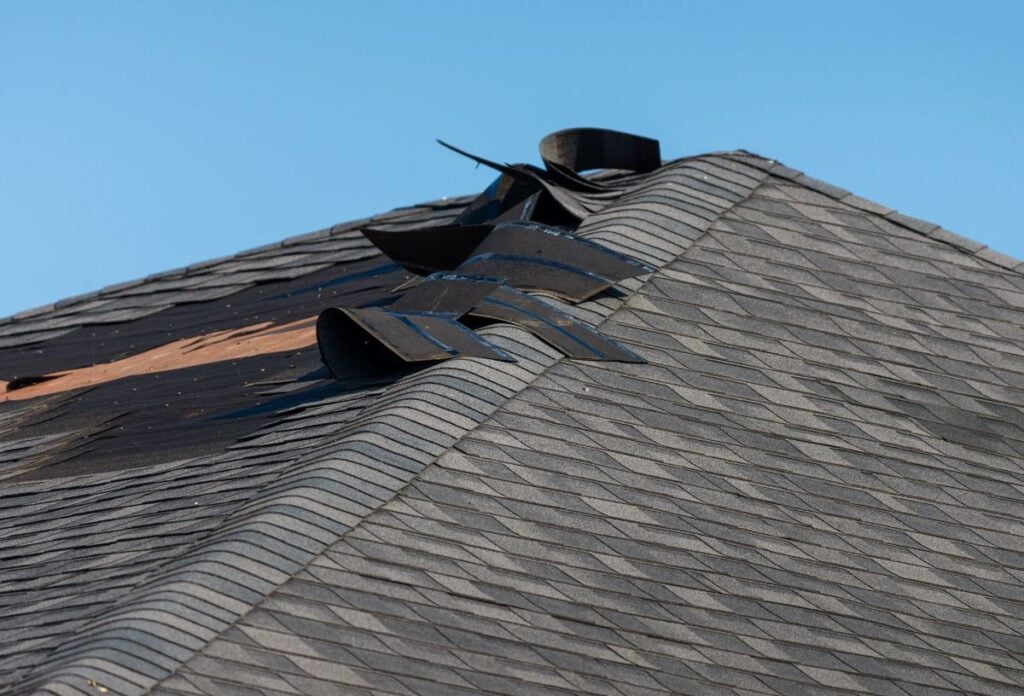
When roof damage is discovered, the first step is to document everything with photos and videos before any cleanup or repairs begin. After documentation, homeowners should take reasonable temporary measures to prevent further damage, such as installing a tarp over open areas. The next step is to review the insurance policy to understand coverage and deadlines, followed by contacting the insurance company to file the claim. Permanent repairs should wait until after the adjuster’s inspection.
- Step one: Document the damage thoroughly with photos and videos before doing anything else.
- Step two: Take reasonable steps to prevent further damage, such as emergency tarping when needed.
- Step three: Review the insurance policy to understand coverage and filing deadlines.
- Step four: Contact the insurance company to officially file the claim.
Common Mistakes That Can Affect a Roof Insurance Claim
Understanding the steps is only part of the process. Many homeowners run into problems with their claims because of avoidable mistakes that can delay or complicate the outcome. We have seen these issues come up repeatedly, and being aware of them ahead of time helps homeowners avoid the same pitfalls.
Avoidable Pitfalls During the Claim Process
The claim process moves more smoothly when homeowners pay attention to a few key details and act promptly. Most pitfalls stem from missed deadlines, incomplete documentation, or unauthorized repairs that complicate the assessment. Each of these issues is preventable with awareness and careful action throughout the process.
- Missed filing deadlines: Failing to report damage within the policy’s required timeframe can result in claim denial.
- Incomplete documentation: Limited photos or vague descriptions make it harder for adjusters to fully understand the damage.
- Permanent repairs before inspection: Completing major repairs before the adjuster’s visit can hide evidence of the original damage.
- Inadequate temporary protection: Failing to take reasonable steps to prevent further damage after the initial event may affect coverage.
Educational Resources From Capstone Roofing Inc.
We share information like this because we believe homeowners deserve clear, honest education about every aspect of caring for their roof. At Capstone Roofing Inc., our focus is on quality roofing inspections, repairs, and replacements, and we take pride in helping homeowners understand the condition of their roof at every stage.
We are always happy to perform a thorough professional inspection and provide a clear, detailed report on the condition of any roof. That kind of straightforward documentation gives homeowners reliable information they can use however they choose. If you are wondering how to file a roof insurance claim and would like a professional inspection of your roof to better understand its condition, we are here to help. Contact Capstone Roofing Inc. today for a free inspection and expert roofing guidance from a team you can trust.
Recent Articles
Roofing Tips & Tricks


4.8 RATING

5.0 RATING

A+ RATING