

How to Measure Roof Pitch Quickly and Easily?
Learning how to measure roof pitch is an important skill for homeowners planning roofing repairs, replacements, or future roofing projects. Roof pitch influences material selection, drainage performance, structural requirements, and even the overall architectural style of the home. Fortunately, measuring roof pitch is a simple process when you understand the steps and use the right tools. Knowing your pitch helps you communicate effectively with roofing professionals and ensures accurate roofing estimates.
- Why pitch matters: Roof pitch affects the materials you can use and how well your roof handles rain and snow.
- Simple measurement steps: Learn a quick method that homeowners can confidently perform.
- Equation example: Understand how pitch is calculated using a clear, easy formula.
What Is Roof Pitch?
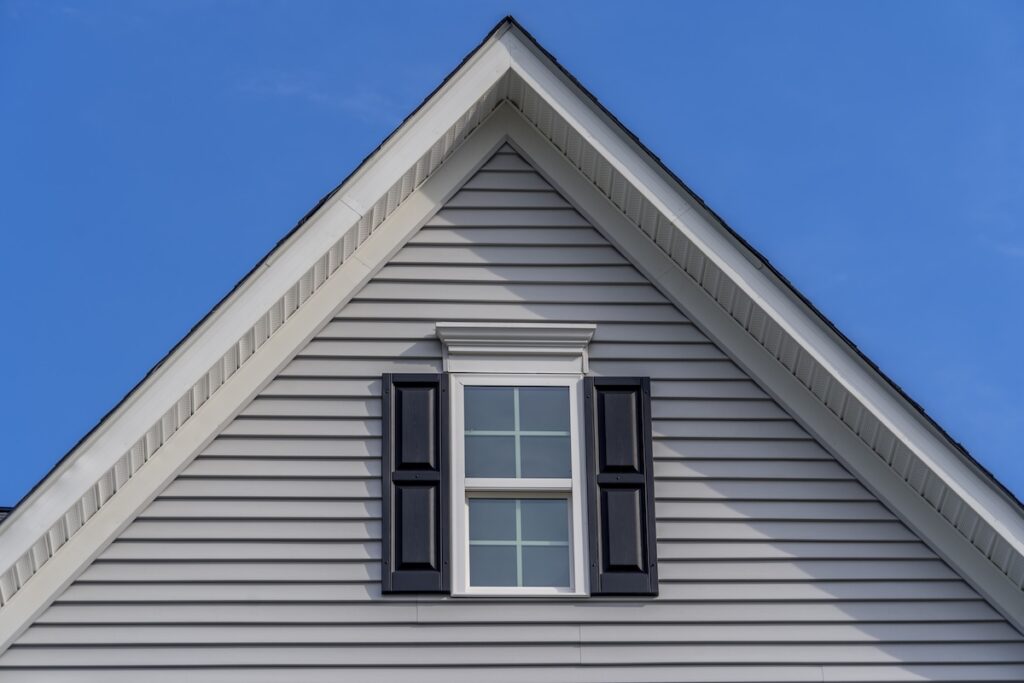
Roof pitch describes the steepness of a roof and is expressed as a ratio showing how many inches the roof rises vertically for every 12 inches of horizontal run. This measurement is fundamental in roofing design, construction, and performance evaluation. It determines not only how your roof appears from the street but also how it manages precipitation and airflow.
How Roof Pitch Is Expressed
Pitch is always given in a rise-over-run format, such as 4:12, 6:12, or 10:12.
- Low-slope roofs: 2:12 to 4:12, requiring careful waterproofing systems
- Moderate-slope roofs: 5:12 to 8:12, ideal for most residential roofing materials
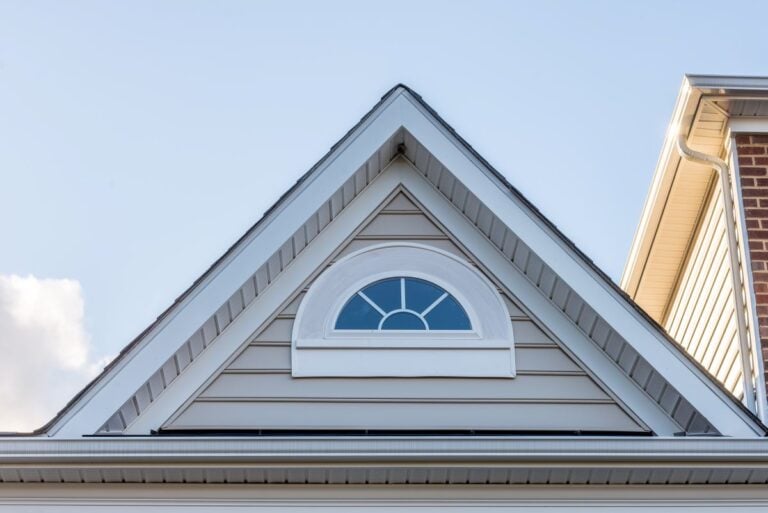
- Steep-slope roofs: 9:12 and above, commonly seen on older or highly stylized homes
Low-slope roofs behave very differently from steep slopes, so knowing your exact pitch helps avoid problems such as improper drainage or incompatible material choices.
Why Roof Pitch Matters
Understanding your roof pitch is about more than geometry. It directly influences the cost, performance, and longevity of your roof.
Material Compatibility
Different roofing materials work best on specific slopes.
- Shingles: Require a minimum pitch to properly shed water.
- Metal roofing: Functions well on a wide range of slopes due to efficient water shedding.
- Membrane systems: Designed specifically for low-slope or flat roofs.
Water and Snow Management
Pitch affects how quickly water drains from the roof surface. Steeper roofs shed snow and rain more efficiently, reducing the risk of puddling or ice buildup. Lower pitches need additional waterproofing protection to prevent moisture penetration.
Structural Design and Safety
Roof pitch determines how much load a roof can safely handle and how accessible it is for maintenance. Steeper roofs may look attractive, but require more cautious access and specialized equipment for repairs or professional inspections.
Tools You Need to Measure Roof Pitch
Measuring pitch doesn’t require specialized equipment, and most homeowners already have the tools needed:
- Level: Preferably 12 or 24 inches long
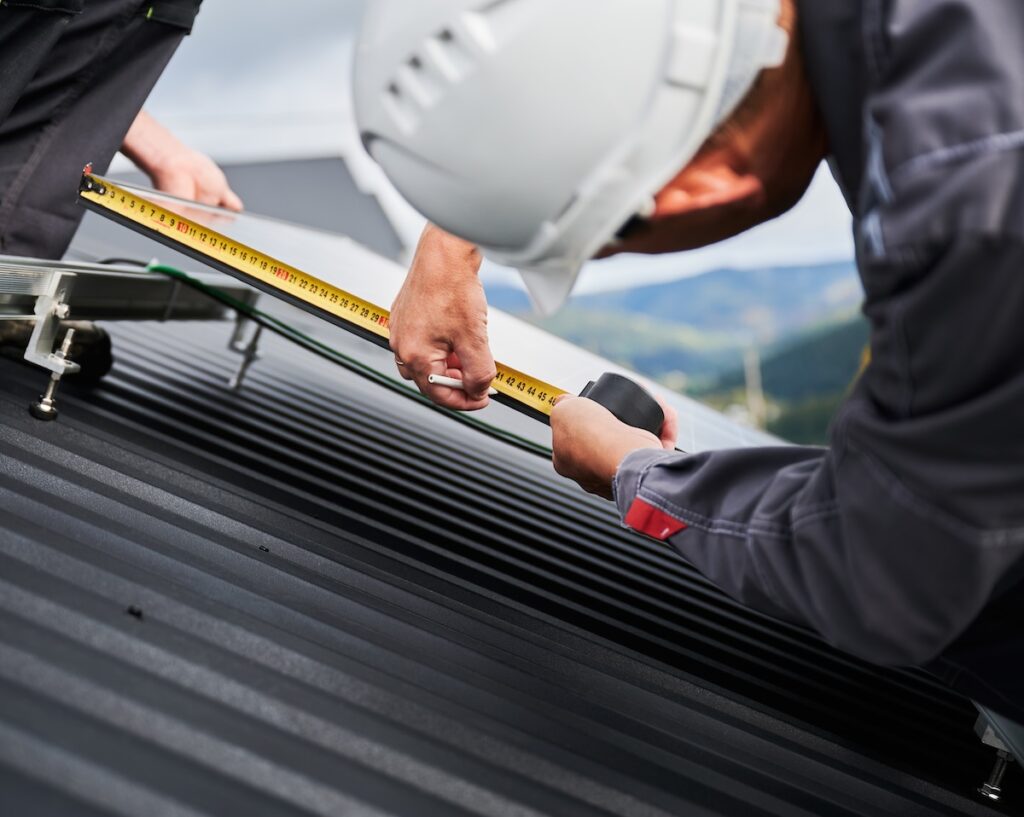
- Tape measure: Used to measure the vertical rise
- Secure ladder: For safe access to the roof edge
- Marker or pencil: For identifying measurement points
Using simple tools makes the process accessible and safe when proper precautions are taken.
4 Steps for How to Measure Roof Pitch
This straightforward method gives accurate results and works on nearly any roof style.
- Position the Level Against the Roof: Place the level flat on the roof surface and ensure it is perfectly horizontal by centering the bubble. Accurate leveling is essential for a correct measurement.
- Mark a 12-Inch Run: Measure 12 inches along the level from the point that rests on the shingles and mark this spot. This standard reference point creates a consistent base for all pitch measurements.
- Measure the Vertical Rise: Using a tape measure, measure the distance between the 12-inch mark on the level and the roof surface. This number—often between 2 and 12 inches—represents the vertical rise of your roof over a 12-inch run.
- Write the Pitch Ratio: Combine the rise and run into a pitch ratio. For example, if the rise is 5 inches at the 12-inch mark, the pitch is expressed as 5:12.
Example Equation for Roof Pitch
Understanding the equation behind roof pitch helps clarify its meaning.
Simple Pitch Calculation
If the roof rises 7 inches for every 12 inches of horizontal run:
Pitch = Rise ÷ Run
Pitch = 7 ÷ 12 = 7:12
This pitch indicates a moderately steep roof, commonly found in residential homes.
Angle Conversion (Optional)
Some homeowners or engineers may prefer pitch expressed in degrees:
Angle (°) = arctan(Rise ÷ Run)
Using the 7:12 example:
Angle = arctan(7 ÷ 12) ≈ 30.3°
While not necessary for most roofing projects, this conversion is useful for precise design work.
How Roof Pitch Influences Roofing Decisions
Your roof’s pitch impacts everything from drainage and ventilation to material performance.
Material Performance
Different slopes require different roofing systems. For instance:
- Low-slope roofs: Often commercial roofs that use membranes or rolled materials due to slow drainage.
- Moderate slopes: Compatible with most residential roofing options.
- High-slope roofs: Create dramatic visual appeal and shed water rapidly.
Ventilation, Insulation, and Energy Efficiency
A roof’s pitch affects attic space, airflow, and overall comfort. Steeper roofs often allow for better ventilation, which reduces heat buildup and prolongs roofing material life.
Architectural and Aesthetic Impact
Pitch influences how the home looks from the street. A steeper roof can create a bold, traditional look, while lower pitches reflect contemporary or modern styles.
Maintenance Considerations Based on Pitch
Understanding pitch helps homeowners plan appropriate maintenance routines.
Higher Pitches
- Better drainage: Reduces standing water and moisture exposure.
- More difficult access: Safety equipment is often required.
- Less buildup: Leaves and debris are less likely to accumulate on steep surfaces.
Lower Pitches
- Slower drainage: Requires careful monitoring for ponding water.
- Material limitations: Some products are unsuitable for low-slope roofs.
- Easier access: Simplifies small homeowner maintenance tasks.
Measure Your Roof Pitch With Confidence
Learning how to measure roof pitch from the guide of roofing professionals helps homeowners understand their roofing system, select suitable materials, and plan for long-term maintenance. With a basic level, tape measure, and a clear measurement method, determining roof pitch becomes quick and approachable.
If you want professional confirmation of your roof’s pitch or need help assessing your roofing condition, Capstone Roofing offersfree inspections to support confident, well-informed decisions.


4.8 RATING

5.0 RATING

A+ RATING