

Metal Roof Lifespan: How Long It Lasts in 2026
Understanding the metal roof lifespan is essential for homeowners considering a long-term roofing investment in 2026. Metal roofing has built a strong reputation for durability, energy efficiency, and minimal maintenance, but the exact lifespan depends on several important factors.
- Long-term performance: Many metal roofs last decades longer than asphalt shingles.
- Low maintenance needs: Fewer repairs over time can reduce total ownership costs.
- Weather resistance: Metal stands up well to wind, rain, snow, and heat.
If you are evaluating whether metal roofing is right for your home, knowing how long it lasts and what influences its durability can help you make an informed decision.
Average Metal Roof Lifespan in 2026
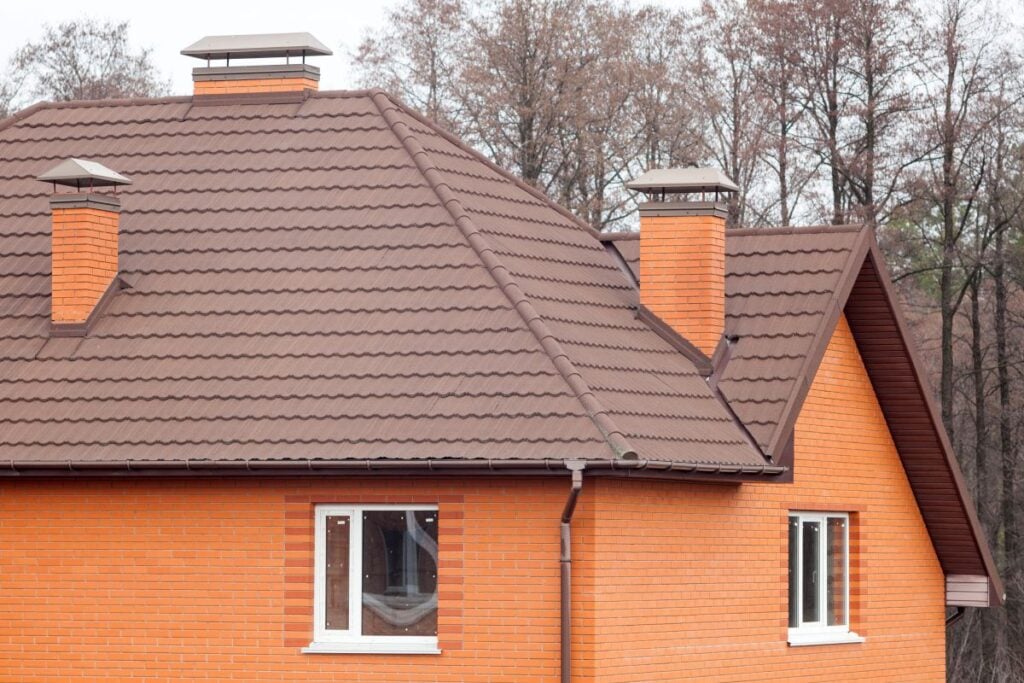
In 2026, most residential metal roofs are expected to last 40 to 70 years, depending on the material and installation quality. Some premium metal roofing systems can even exceed 70 years with proper maintenance.
For comparison, traditional asphalt shingles typically last between 15 and 30 years. This significant difference is one of the primary reasons many homeowners choose metal roofing when planning for long-term value.
The lifespan of a metal roof depends on the type of metal used, environmental exposure, installation practices, and ongoing maintenance. Let’s explore what affects longevity in more detail.
Types of Metal Roofing and Their Lifespan
Not all metal roofing materials are created equal. Different metals offer varying durability levels and price points.
- Steel roofing: Galvanized or galvalume steel roofs typically last 40 to 60 years.
- Aluminum roofing: Resistant to corrosion, especially in coastal areas, often lasting 40 to 60 years.
- Copper roofing: Can last 70 to 100 years or more with minimal maintenance.
- Zinc roofing: Highly durable, with lifespans of 60 to 100 years.
The thickness of the metal panel, protective coatings, and finish quality also influence how long the roof performs at its best.
6 Factors That Impact Metal Roof Lifespan
Several key elements determine whether a metal roof reaches its full expected lifespan. Understanding these factors can help homeowners protect their investment.
1. Quality of Installation
Proper installation is one of the most important contributors to long-term performance. Even the highest-quality metal panels can fail prematurely if installed incorrectly.
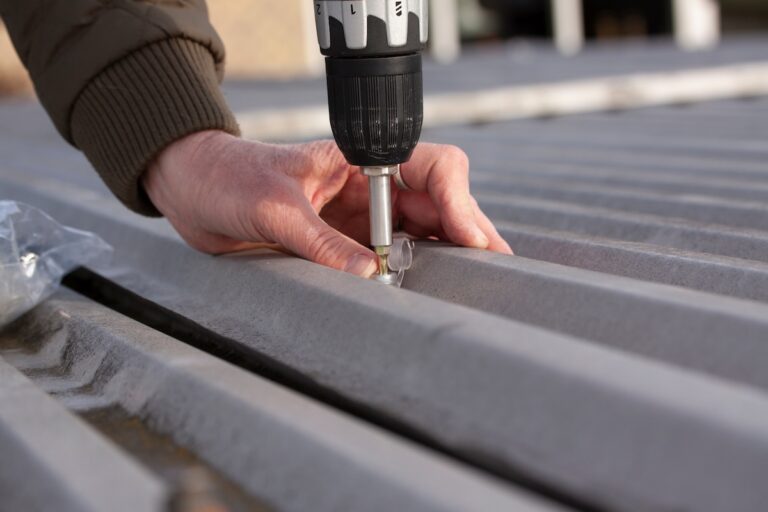
- Secure fastening: Properly fastened panels prevent uplift during high winds.
- Correct flashing installation: Prevents water infiltration around penetrations.
- Alignment and sealing: Ensures watertight seams and clean panel overlap.
Choosing experienced professionals ensures the system performs as intended.
2. Type of Metal and Coating
Protective coatings play a significant role in preventing corrosion and fading.
- Galvalume coatings: Offer strong rust resistance for steel panels.
- Paint finishes: High-quality finishes protect against UV damage.
- Thickness rating: Thicker metal panels generally resist denting better.
Premium materials may cost more upfront but extend overall lifespan significantly.
3. Climate and Weather Exposure
Environmental conditions heavily influence metal roof longevity.
- Coastal environments: Salt exposure can accelerate corrosion if coatings are insufficient.
- Heavy snowfall: Proper installation prevents ice dam issues.
- High winds: Metal roofing performs well but must be securely fastened.
Metal roofs are particularly effective in storm-prone regions due to their strength and wind resistance.
4. Roof Design and Slope
The slope and complexity of your roof affect how well water drains and how panels perform over time.
- Proper drainage: Steeper slopes shed water and debris more efficiently.
- Complex designs: Valleys and penetrations require careful flashing.
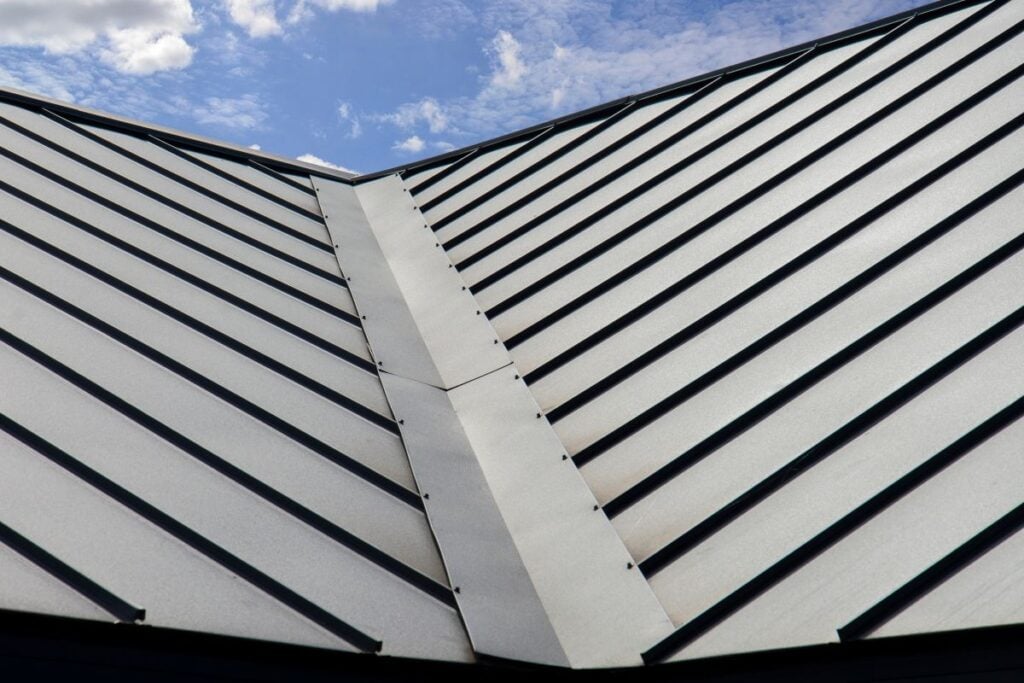
- Panel orientation: Standing seam systems often offer better long-term performance.
Good design reduces stress on the system.
5. Maintenance Practices
Although metal roofing requires less maintenance than other materials, periodic inspections are still important.
- Annual inspections: Identify loose fasteners or sealant wear.
- Debris removal: Prevents moisture buildup in valleys.
- Sealant checks: Ensures flashing remains watertight.
Simple maintenance steps can extend the roof’s service life significantly.
6. Proper Ventilation
Attic ventilation helps regulate temperature and moisture levels.
- Reduces condensation: Prevents underside corrosion.
- Limits heat buildup: Protects coatings and fasteners.
- Supports energy efficiency: Helps maintain indoor comfort.
Balanced ventilation supports the overall roofing system.
Signs a Metal Roof May Need Replacement
Even though metal roofs are long-lasting, they do not last forever. Signs that replacement may be approaching include:
- Widespread corrosion or rust
- Loose or missing fasteners
- Panel warping or separation
- Persistent leaks despite repairs
- Fading or peeling protective coatings
If the roof is nearing 50 years old and showing signs of deterioration, replacement may be more cost-effective than ongoing repairs.
Metal Roof vs. Asphalt Shingles in Terms of Longevity
When comparing lifespan alone, metal roofing clearly outperforms asphalt shingles. While asphalt may require two replacements over a 50-year period, a properly installed metal roof may only need one.
This difference can significantly reduce long-term costs, disruption, and waste. Additionally, metal roofs often come with extended manufacturer warranties that reflect their durability.
Does a Metal Roof Add Home Value?
In many cases, yes. A metal roof can increase resale appeal due to its longevity and energy efficiency. Buyers often appreciate the idea of not needing to replace the roof for decades.
Metal roofing can also improve curb appeal and lower energy costs, which further enhances its overall value proposition.
How to Maximize Your Metal Roof Lifespan
To get the most out of your investment:
- Choose high-quality materials with strong protective coatings.
- Ensure professional installation by experienced roofing specialists.
- Schedule routine inspections to catch small issues early.
- Keep gutters clean and maintain proper attic ventilation.
Taking proactive steps helps ensure your roof reaches or exceeds its expected lifespan.
Is a Metal Roof Worth It in 2026?
The metal roof lifespan in 2026 continues to make it one of the most attractive roofing options available. With potential durability of 40 to 70 years or more, metal roofing offers long-term protection, reduced maintenance, and excellent resistance to weather extremes.
If you’re considering upgrading your roof or want to evaluate the condition of your current metal system, Capstone Roofing Inc. is here to help. Contact us today to schedule a free inspection and learn how we can protect your home with a roofing solution built to last.
Recent Articles
Roofing Tips & Tricks



4.8 RATING

5.0 RATING

A+ RATING