

Roof Deck: What It Is and Why It Matters for Your Roof
Your roof deck is the structural foundation that supports every other component of your roofing system. While shingles, underlayment, and flashing often get the most attention, the roof deck plays a critical role in keeping your home protected and structurally sound.
- Structural support: The roof deck carries the weight of shingles, underlayment, and sometimes snow or rooftop equipment.
- Moisture defense: A solid deck prevents sagging, leaks, and long-term water damage.
- Longevity factor: The condition of the deck directly affects how long your roof will last.
Understanding what the roof deck does, how it’s built, and why it matters can help homeowners make better decisions about maintenance, repairs, and replacement.
What Is a Roof Deck?
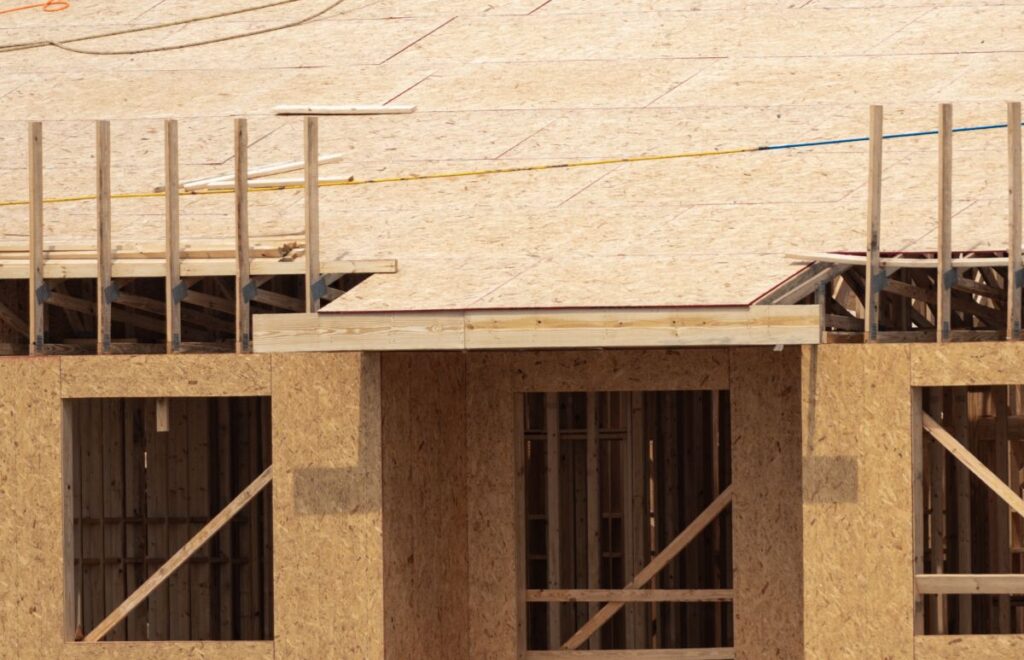
The roof deck, sometimes called roof sheathing, is the flat surface that sits on top of your home’s rafters or trusses. It creates the base layer onto which all other roofing materials are installed. Without a strong and stable deck, shingles and other protective materials cannot function properly.
Most modern homes use plywood or oriented strand board (OSB) for roof decking. Older homes may use plank decking made from solid wood boards. The type of decking used can impact the roof’s durability, ventilation performance, and ability to withstand moisture.
The roof deck is typically not visible from the outside. It sits beneath the underlayment and shingles, quietly doing the work of supporting and stabilizing the roofing system above it.
Why the Roof Deck Matters So Much
The roof deck does more than simply hold shingles in place. It distributes weight evenly across rafters, prevents sagging, and serves as the anchoring surface for nails and fasteners. If the deck becomes compromised, the entire roofing system is at risk.
A weakened roof deck can lead to uneven shingle lines, visible dips in the roof surface, and reduced wind resistance. Over time, water infiltration can soften the decking material, leading to rot or mold growth in the attic.
Because the roof deck sits directly beneath the outer roofing layers, it is often the first structural element to show signs of damage when leaks occur.
Common Roof Deck Materials
Most residential roof decks are constructed using one of the following materials:
- Plywood: Durable and moisture-resistant, commonly used in modern construction.
- OSB (Oriented Strand Board): Cost-effective and widely used, though slightly more vulnerable to moisture than plywood.
- Plank decking: Found in older homes, made from solid wood boards installed side by side.
- Tongue-and-groove boards: Used in certain architectural styles for added structural support.
Each material has advantages and limitations. The condition and thickness of the decking must meet building code standards to properly support roofing materials.
Signs Your Roof Deck May Be Damaged
Because the roof deck is hidden beneath other layers, damage isn’t always obvious. However, there are warning signs homeowners can watch for:
- Sagging roofline: Visible dips or uneven areas may indicate weakened decking.
- Interior water stains: Persistent leaks can soften and rot the deck.
- Soft spots during inspection: Walking on the roof may reveal spongy areas.
- Mold or mildew in attic: Moisture trapped in decking can lead to fungal growth.
If any of these signs appear, a professional inspection is essential to determine the extent of the damage.
6 Reasons the Roof Deck Is Essential to Your Roofing System
The roof deck plays a foundational role in overall roof performance. These six points explain why it deserves attention during inspections and replacements.
1. Provides Structural Integrity
- Supports roofing layers: Holds shingles, underlayment, and flashing securely.
- Distributes weight evenly: Prevents sagging under snow or debris.
- Maintains roof shape: Keeps the roofline straight and uniform.
Without a solid roof deck, even high-quality shingles cannot perform properly.
2. Anchors Roofing Fasteners
- Secure nailing surface: Allows nails to penetrate and hold shingles firmly.
- Wind resistance: Strong decking improves uplift resistance during storms.
- Prevents blow-offs: Weak decking reduces holding strength.
3. Enhances Moisture Protection
- Secondary barrier: Provides a base layer beneath waterproof membranes.
- Supports underlayment: Ensures proper adhesion and overlap.
- Reduces leak spread: Slows water movement if outer layers fail.
4. Impacts Roof Ventilation
- Allows proper airflow: Works with attic ventilation systems.
- Prevents heat buildup: Stable decking reduces warping from temperature swings.
- Supports vent installation: Ridge and intake vents rely on solid decking for proper placement.
5. Influences Roof Lifespan
- Stable foundation: Healthy decking extends shingle life.
- Prevents premature failure: Rotting wood shortens roof durability.
- Improves system performance: Ensures materials function as intended.
6. Required for Code Compliance
- Meets structural standards: Building codes require proper deck thickness and strength.
- Ensures safety: Supports roof load requirements for snow and wind.
- Inspection approval: Damaged decking must often be replaced during reroofing projects.
What Happens to the Roof Deck During Replacement?
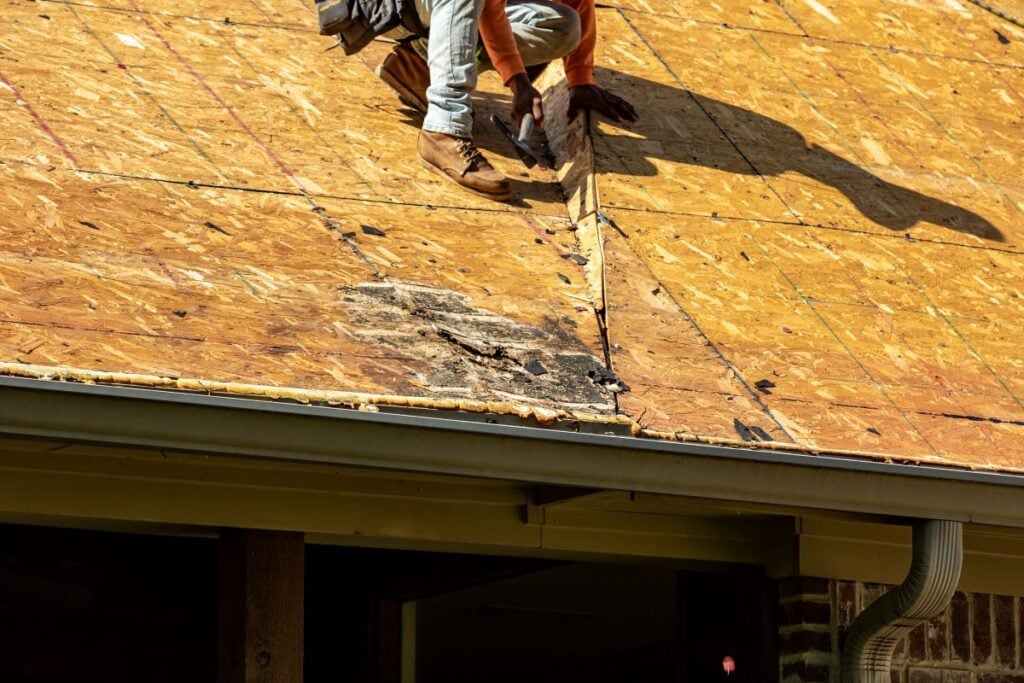
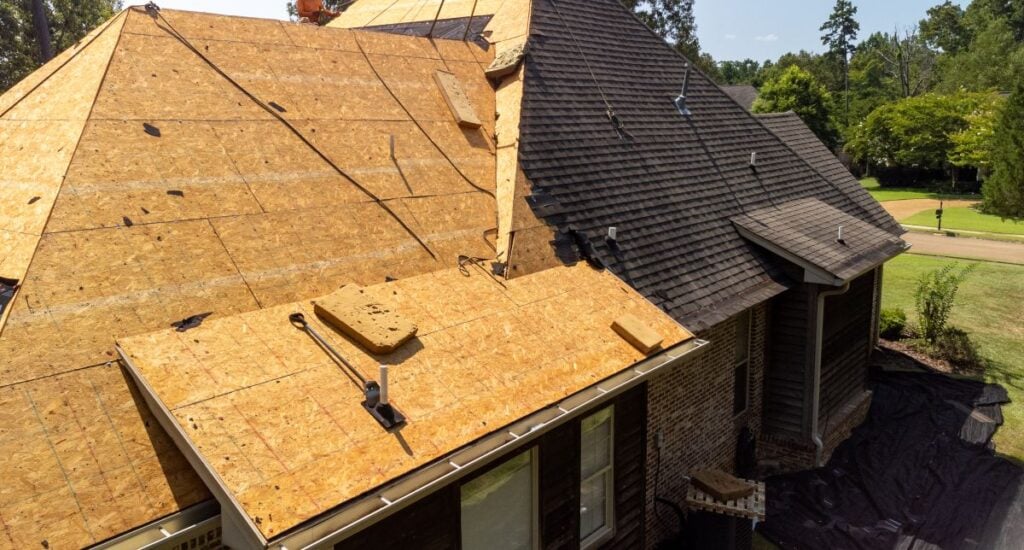
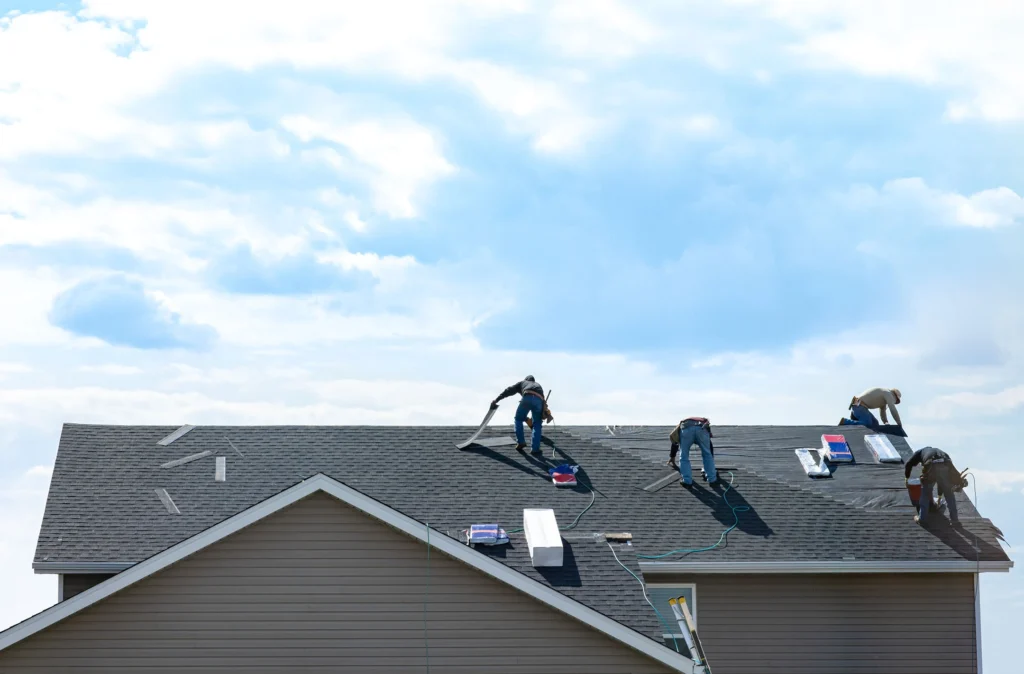
When a roof is replaced, contractors typically remove the old shingles and inspect the decking underneath. If any sections are soft, rotted, or structurally compromised, they must be replaced before new materials are installed.
Skipping this step can cause the new roof to fail prematurely. Installing shingles over damaged decking may void warranties and increase the risk of leaks or structural problems.
In many cases, only isolated sections of decking need replacement. However, widespread moisture damage may require more extensive repairs.
How to Protect Your Roof Deck
Protecting your roof deck begins with routine maintenance and proper ventilation. Ensuring your attic has balanced airflow helps regulate temperature and moisture levels, reducing stress on the decking material.
Promptly addressing leaks is also critical. Even small leaks can cause significant long-term damage if left untreated. Keeping gutters clean and flashing intact helps direct water away from vulnerable roof edges.
Professional inspections allow early detection of decking issues before they lead to structural concerns.
The Roof Deck Is the Foundation of Your Roof
Your roof deck is the structural backbone of your roofing system. While it may not be visible from the curb, its condition determines how well your roof performs, how long it lasts, and how effectively it protects your home.
Capstone Roofing Inc. is committed to ensuring every layer of your roofing system, including the roof deck, is strong and secure. Contact us today to schedule a free inspection and make sure your roof’s foundation is built to last.


4.8 RATING

5.0 RATING

A+ RATING