

Roof Underlayment: 4 Types and Why It Matters
Whether you’re installing a new roof or replacing an old one, understanding the role of roof underlayment is key to protecting your home. This hidden layer sits between your roof deck and the shingles or metal panels above, acting as a crucial barrier against moisture, wind, and temperature extremes.
- Moisture defense: Underlayment helps prevent water intrusion if the outer roofing layer is damaged.
- Added protection: It guards the roof deck from mold, rot, and premature wear.
- Weather resilience: Enhances performance during extreme conditions like wind-driven rain or snow.
Choosing the right type of underlayment improves your roof’s longevity and resilience, and can even impact your warranty coverage.
What Is Roof Underlayment?
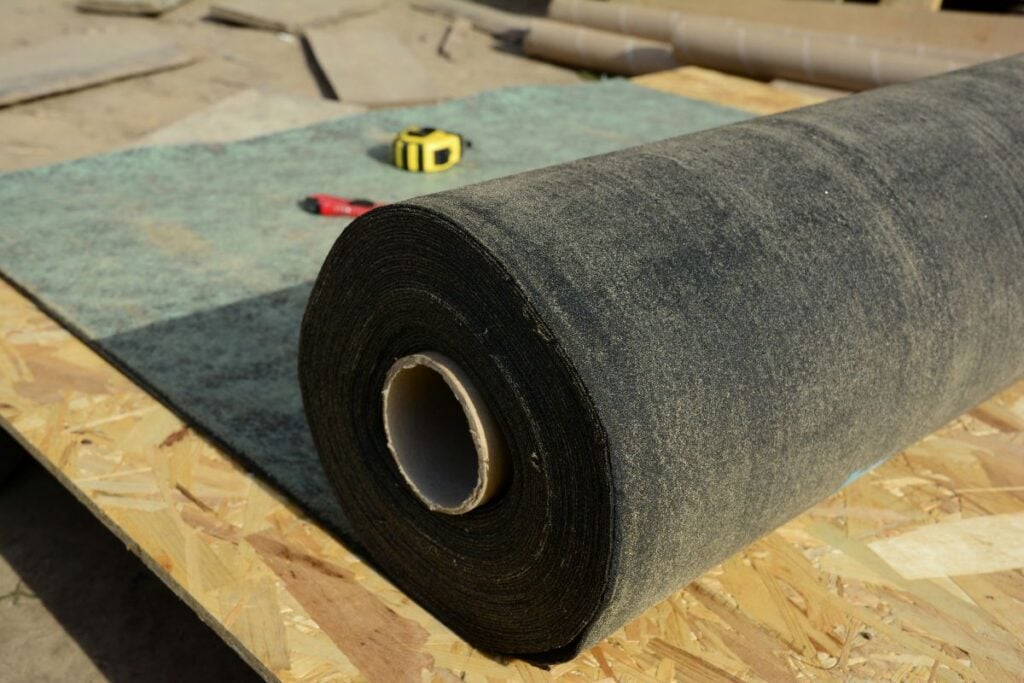
Roof underlayment is a secondary layer of protection that is installed directly over the plywood or OSB roof deck and underneath the final roofing material. Its primary job is to shield the structure from moisture infiltration in case of shingle blow-offs, ice dams, or flashing failures.
This material also acts as a temporary barrier during construction, keeping the deck dry before shingles or panels are installed. There are several types of underlayment available, each designed to meet different needs based on climate, budget, and roofing material.
Figuring out the perfect match for your specific home doesn’t have to be guesswork; Capstone Roofing can send out a qualified contractor to help you weigh the options and make a confident decision.
Why It Matters for Long-Term Performance
Even the highest-quality shingles or metal roofing panels aren’t completely waterproof. They’re designed to shed water, but wind-driven rain or snow can still find its way beneath. That’s where underlayment comes in — it adds a backup line of defense.
A well-installed underlayment system also protects the decking from condensation, which can form underneath the roofing material during temperature shifts. Without this protection, your roof deck may become vulnerable to rot, warping, or mold.
Preventing this hidden moisture accumulation from the start is much easier than eventually needing an extensive roof leak repair once the interior ceiling begins to show water stains. Some types of underlayment also enhance fire resistance and meet local building code requirements.
4 Common Types of Roof Underlayment
Each underlayment material offers specific benefits. The right choice depends on your roofing system, climate zone, and long-term maintenance goals.
1. Asphalt-Saturated Felt (Felt Paper)
This traditional underlayment is made from cellulose (often recycled paper or wood fibers) that has been saturated with asphalt for added water resistance. It comes in 15-pound and 30-pound weights, with 30-pound felt offering greater durability.
- Affordable option: Felt is one of the most cost-effective underlayment materials.
- Decent moisture resistance: Provides basic protection against water infiltration.
- Widely used: Compatible with most types of shingle roofing systems.
2. Synthetic Underlayment
Synthetic underlayment is made from polypropylene or polyethylene and is designed to be more durable and lightweight than felt. It is becoming increasingly popular for residential and commercial roofing projects.
- Tear-resistant material: Holds up better during high winds or construction foot traffic.
- Water repellency: Offers superior moisture protection compared to traditional felt.
- UV resistance: Can remain exposed longer without degrading during installation.
3. Rubberized Asphalt Underlayment
This premium underlayment contains a high percentage of rubber polymers and asphalt, creating a waterproof membrane that self-seals around nails and fasteners. It is often used in vulnerable areas such as roof valleys, eaves, and low-slope sections.
- Excellent waterproofing: Ideal for areas prone to ice dams or heavy rainfall.
- Self-sealing properties: Reduces risk of leaks around nails or fasteners.
- Code compliance: Often required in regions with specific weather challenges.
4. Peel-and-Stick Underlayment
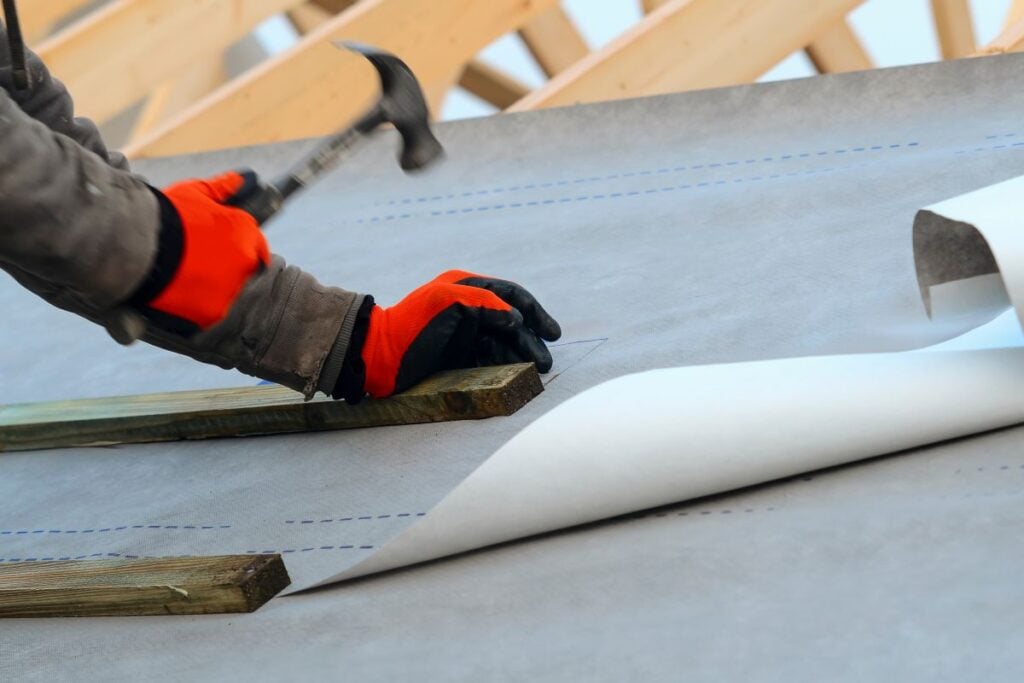
Also known as self-adhering membranes, these products offer strong adhesion to the roof deck and create a continuous waterproof barrier. They are commonly used in high-risk zones or as full-roof coverage beneath metal systems.
- Strong adhesion: Bonds securely to clean, dry decking surfaces.
- Weatherproof seal: Prevents wind-driven rain and snow from reaching the deck.
- No fasteners required: Reduces installation-related vulnerabilities.
Because these lower layers must integrate perfectly with the surface materials above, understanding all the different parts of a roof is essential for building a truly weather-tight envelope.
Matching Underlayment to Roofing Materials
Not all underlayments are suitable for every type of roof. For example, metal roofing systems often require underlayments with high heat resistance, while asphalt shingles may pair well with felt or synthetic options.
When weighing a metal roof vs shingles, recognizing these vastly different substrate requirements will drastically influence the final material costs of the project. Climate also plays a big role. In humid or snow-heavy regions, rubberized or peel-and-stick underlayments may provide better protection against ice dams and condensation.
Installation method matters too. Some products are nailed or stapled, while others adhere directly to the deck. Making the right choice ensures your roofing system performs as expected and meets warranty and code requirements.
How Underlayment Supports a Healthy Roof System
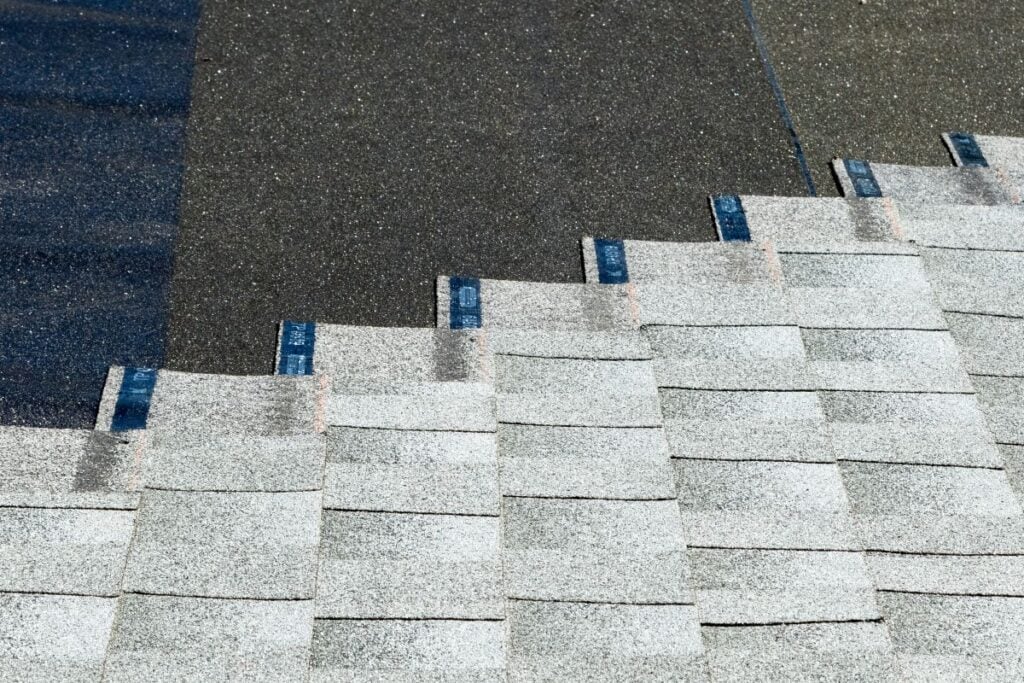
Underlayment is a critical part of the roof assembly, working alongside flashing, decking, and ventilation to create a long-lasting system. When chosen and installed properly, it prevents many of the issues that lead to early roof failure — including leaks, deck damage, and mold.
This layer also buys time in the event of shingle blow-off or damage during storms. Relying on a high-quality synthetic membrane minimizes the risk of severe roof storm damage exposing the raw wooden decking before permanent replacements can be installed.
In some cases, homeowners may not even notice a compromised outer layer because the underlayment continues to protect the structure underneath. It’s the silent safeguard that helps your roof last longer and perform better.
If you are worried that a recent storm might have compromised this hidden barrier, it is always a smart idea to have a professional roofer from the Capstone Roofing team take a closer look to secure the structure.
Invest in the Right Roof Underlayment
Understanding the purpose of roof underlayment is key to making informed decisions about your home’s roofing system. It’s not just a formality beneath the shingles — it’s an essential barrier that helps defend your home from moisture, wind, and heat. Selecting the right type and ensuring it’s installed correctly can significantly improve the durability and effectiveness of your roof.
Capstone Roofing Inc. is committed to helping homeowners stay informed about every component of their roof. If you’re unsure about your current roofing system or want a professional opinion, reach out to schedule a free inspection.


4.8 RATING

5.0 RATING

A+ RATING