

What Is Single Ply Roofing and Is It Right for You?
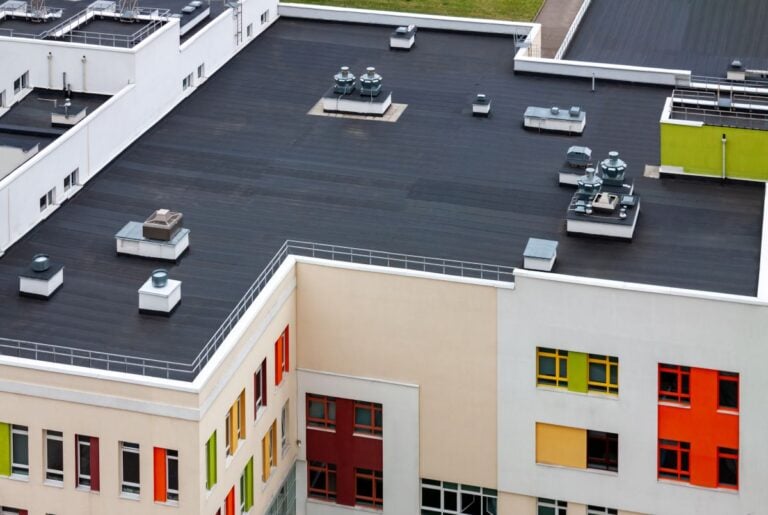
If you own or manage a building with a commercial flat roofing system, you have probably noticed a major shift in the industry. Over the last few decades, heavy, labor-intensive built-up systems have rapidly been replaced by a modern, highly engineered alternative known as single ply roofing.
This innovative waterproofing solution has revolutionized the commercial sector by offering property owners a powerful shield against severe weather and UV damage. Beyond just keeping the water out, these modern synthetic materials are prized for their unique ability to positively impact a facility’s architectural footprint, budget, and overall energy efficiency. But what exactly makes these flexible membranes so superior to traditional methods?
In this guide, we are going to answer the ultimate question—what is single ply roofing?—and explore the fundamental differences between the materials currently dominating the market. Keep reading to uncover the three best types for flat roofs and gain the actionable insights you need to choose the perfect system for your building’s unique structural demands.
- Proven performance: Single ply membranes have been used for decades with excellent results in both commercial and industrial settings.
- Energy efficiency: Many systems include reflective surfaces that can reduce cooling costs during hot weather.
- Ease of installation: Lightweight materials and straightforward application make single ply a preferred option for many roofing contractors.
Key Takeaways
- The Basics & Core Perks: Single ply roofing provides a streamlined, lightweight, and cost-effective waterproofing shield that protects commercial buildings for up to 30 years.
- Top Materials & Energy Savings: Whether you choose time-tested EPDM or bright white, UV-deflecting TPO and PVC, these membranes actively ease HVAC strain and slash summer utility bills.
- The Ideal Match for Your Building: This system is a perfect, budget-friendly fit for flat roofs that demand high chemical resistance, energy efficiency, and long-term environmental performance.
- Upkeep & Life Extension: Maintain peak condition with bi-annual inspections and prompt patching, or restore an aging roof with a fluid elastomeric coating to add a decade of life for half the cost of a full tear-off.
- Expert Installation: Our team is ready to deliver tailored guidance, seamless installation, and lasting protection for your commercial investment.
Understanding Single Ply Roofing
Before deciding if this system is right for you, it’s important to understand how single ply roofing works and why it has become so widely used.
What Makes Single Ply Unique
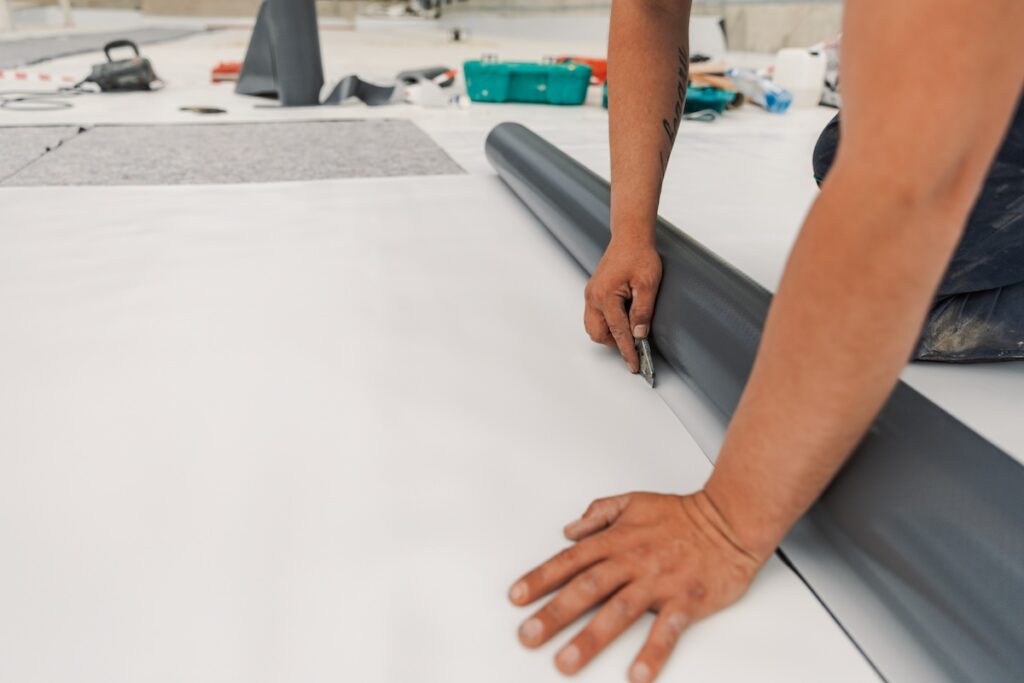
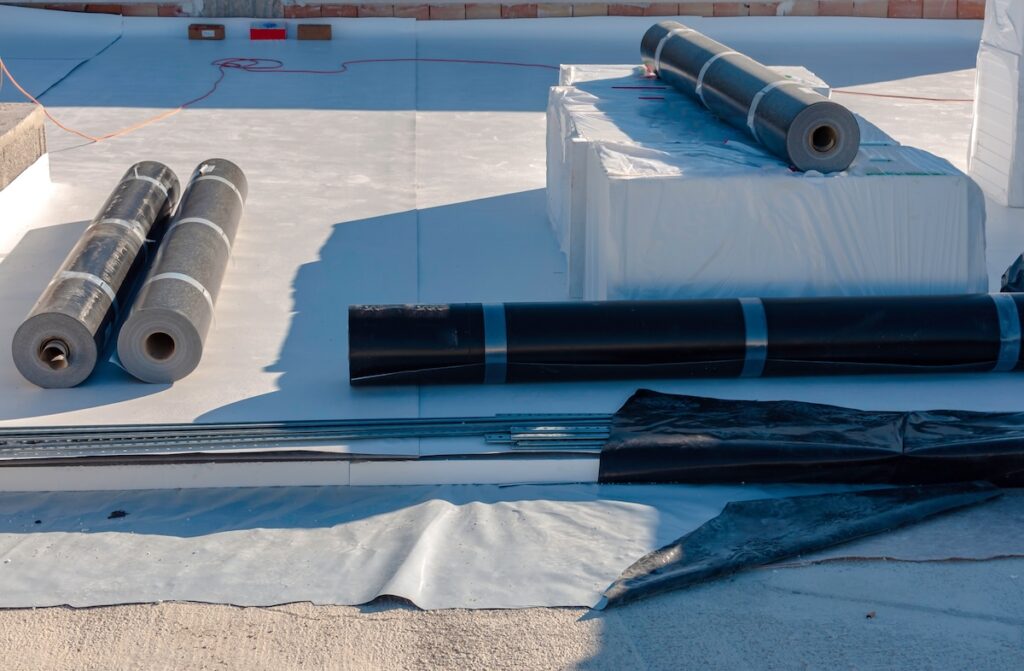
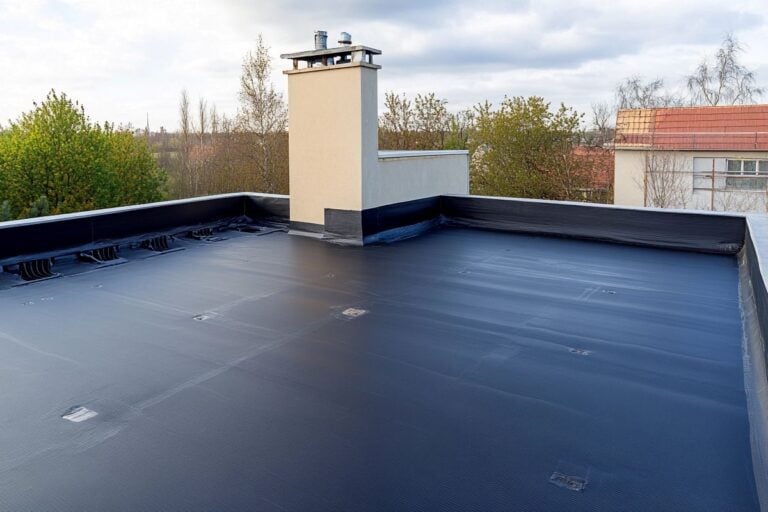
Single ply membranes are prefabricated sheets of rubber or plastic that are rolled out and installed in large sections across a flat or low-slope roof. Unlike built-up roofing systems that require multiple layers of tar and gravel, single ply relies on just one durable membrane to provide waterproofing and protection. This streamlined approach helps cut down on both material costs and labor time.
How It’s Installed
Professional installation methods vary depending on the type of membrane, but single ply roofing can be secured in three primary ways: mechanically fastened with screws and plates, adhered with specialized roofing adhesive, or ballasted with heavy materials such as river rock. Each option provides different levels of performance and may be better suited for certain building designs or climates.
3 Types of Single Ply Roofing Systems
There are several types of single ply systems, each with unique benefits. Understanding these options will help you choose the right one for your property.
TPO (Thermoplastic Polyolefin)
TPO roofing has become one of the most popular single ply membranes because of its energy efficiency and strength. It’s white, highly reflective, and helps reduce heat absorption, making it ideal for buildings in warm climates. TPO is also resistant to punctures, dirt buildup, and UV damage, which helps extend the roof’s lifespan.
PVC (Polyvinyl Chloride)
PVC roofing is another thermoplastic option that is highly durable and chemical-resistant. It is especially beneficial for buildings that may experience exposure to oils, fats, or harsh chemicals, such as restaurants or manufacturing facilities. PVC membranes are also heat-welded at the seams, which creates a watertight bond and excellent leak protection.
EPDM (Ethylene Propylene Diene Monomer)
EPDM is a rubber-based membrane that is known for its flexibility and ability to withstand extreme temperatures. It’s usually black, which helps absorb heat in colder climates, though white-coated versions are available for energy efficiency. EPDM is one of the oldest and most trusted single ply systems, with decades of proven performance.
Key Advantages of Single Ply Roofing
- Cost-effective solution: Single ply systems typically have lower installation costs compared to traditional multi-layered roofs. Their lightweight design also reduces the need for structural reinforcements, saving additional money during construction or replacement.
- Energy efficiency: Many single ply membranes are designed with reflective surfaces that help lower cooling costs by reducing heat absorption. This makes them an eco-friendly and cost-saving option for large commercial spaces.
- Longevity and durability: When properly installed and maintained, single ply roofing can last 20–30 years. The membranes are designed to withstand UV radiation, temperature swings, and even punctures from foot traffic or debris.
Maximizing Energy Efficiency with “Cool Roofs”
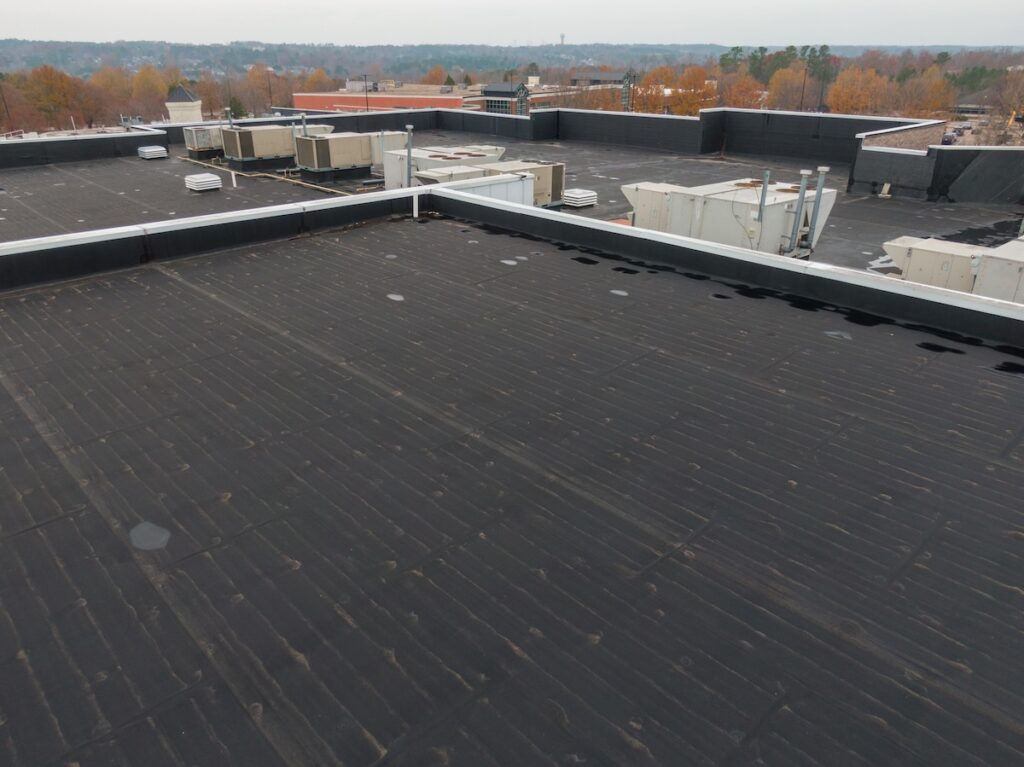
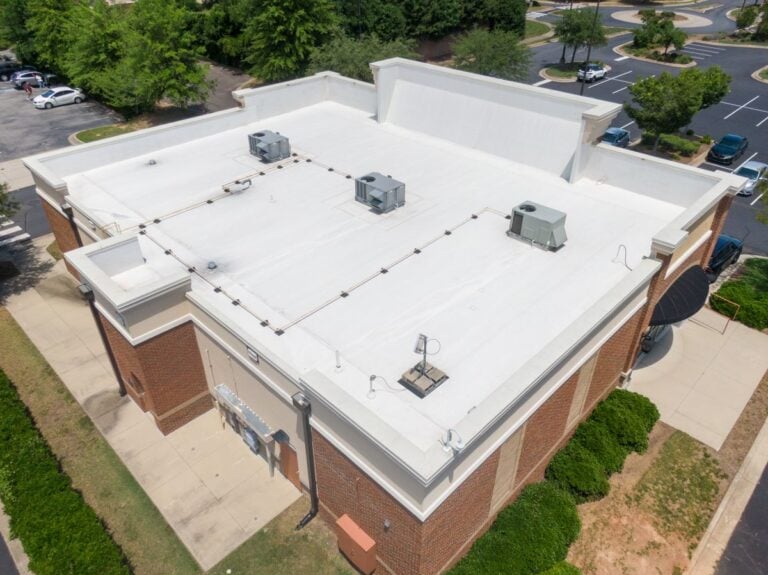
One of the biggest financial perks of installing modern single ply roofing—specifically TPO or PVC—is the ability to turn your building into a highly efficient “cool roof.” Because these thermoplastic membranes are manufactured with bright white finishes, they possess a high Solar Reflectance Index (SRI).
Instead of absorbing the sun’s damaging ultraviolet (UV) and infrared radiation like a traditional dark roof, these membranes actively reflect the heat away from your building. This simple mechanism provides massive benefits:
- Slashed Utility Bills: By drastically reducing the building’s heat gain, single ply roofing takes the strain off your HVAC system and significantly lowers your summer air-conditioning costs.
- Extended Roof Lifespan: Because the membrane deflects heat, it protects its own structural integrity and slows down thermal degradation.
- Environmental & Code Compliance: Cool roofs help mitigate the “Urban Heat Island” effect in densely populated areas. They also make it easier to comply with strict municipal building codes and can even help your facility earn points toward LEED certification.
5 Signs Single Ply Roofing May Be Right for You
If you’re wondering whether this system is a good fit, here are five key indicators that single ply roofing could meet your needs:
- Flat or low-slope roof: Single ply membranes are designed specifically for both low-slope and flat roofs, making them a natural choice for many commercial buildings.
- Energy efficiency goals: If lowering utility bills is a priority, reflective TPO or PVC membranes can significantly reduce cooling costs.
- Need for chemical resistance: Properties like restaurants, factories, or warehouses can benefit from PVC roofing due to its resistance to oils and harsh chemicals.
- Desire for long-term performance: With lifespans reaching up to three decades, single ply provides reliable protection with minimal upkeep.
- Budget-conscious projects: For property owners seeking a balance of affordability and performance, single ply offers excellent value compared to other commercial systems.
Maintenance Considerations
- Regular inspections: Scheduling professional inspections at least twice a year helps identify small issues before they become costly problems. This includes checking seams, flashings, and drainage points for signs of wear.
- Prompt repairs: If punctures, tears, or loose seams are found, they should be repaired quickly to prevent water intrusion. Single ply membranes are relatively easy to patch, making maintenance straightforward and affordable.
- Cleaning and debris removal: Keeping the surface free of dirt, branches, and standing water helps prevent unnecessary stress on the membrane. A clean roof is also more reflective, improving energy efficiency.
Extending the Life of Your Membrane
As your single ply roofing approaches the end of its 10- to 25-year lifespan, many facility owners assume a disruptive, expensive complete tear-off is their only option. Fortunately, if your existing membrane is still structurally sound and the underlying insulation is dry, your roof might be the perfect candidate for a fluid-applied restoration.
Instead of tearing off the old roof, professionals apply a highly engineered, liquid elastomeric coating (like high-solids silicone or urethane) directly over the aging membrane. As it cures, it seamlessly bonds to the old roof to seal microscopic fractures and reinforce vulnerable seams.
Choosing to restore rather than replace offers immense operational benefits:
- Massive Cost Savings: A fluid-applied restoration can extend the waterproofing life of your single ply roofing by a decade or more for about half the cost of a full physical replacement.
- Zero Disruption: The application process is incredibly quiet and non-intrusive to your daily building operations.
- Eco-Friendly: By preserving the existing roof, you keep tons of material out of the landfill while revitalizing the roof’s bright, reflective energy-saving properties.
Is Single Ply Roofing the Best Choice for You?
Choosing the right option among the different types of commercial roofing systems comes down to your building’s design, performance goals, and budget. Single ply roofing provides an attractive balance of affordability, durability, and energy efficiency that makes it one of the most widely used options across industries. If your property has a flat or low-slope roof, and you’re looking for long-term protection with proper maintenance, this system may be the perfect fit.
Trust Capstone Roofing for Your Commercial Roofing Needs
At Capstone Roofing, we specialize in helping property owners make the best choice for their roofing system. Our team of professional roofers has extensive experience installing and maintaining single ply roofing, and we know how to tailor solutions to fit each building’s unique needs.
When you work with us, you get expert guidance, professional installation, and ongoing support to keep your investment protected. Contact Capstone Roofing today to schedule a free estimate and learn more about whether single ply roofing is the right solution for your property.


4.8 RATING

5.0 RATING

A+ RATING