

Slate Roof Cost: What Affects Price in 2026
Understanding the slate roof cost in 2026, especially for homeowners in California, helps you plan your roofing budget with confidence and avoid unexpected surprises. Slate roofing remains one of the most durable and visually striking roofing options, but it also comes with a higher price tag than many other materials.
- Premium longevity and beauty: Natural slate provides a classic look that can last a century or more.
- Higher upfront investment: Slate’s material weight and specialized installation add to the cost.
- Value considerations: Proper planning and material choice help balance cost with long-term performance.
Below, we break down average slate roof pricing, with a California perspective, and the key factors that influence how much your project will ultimately cost.
Average Slate Roof Costs in California in 2026
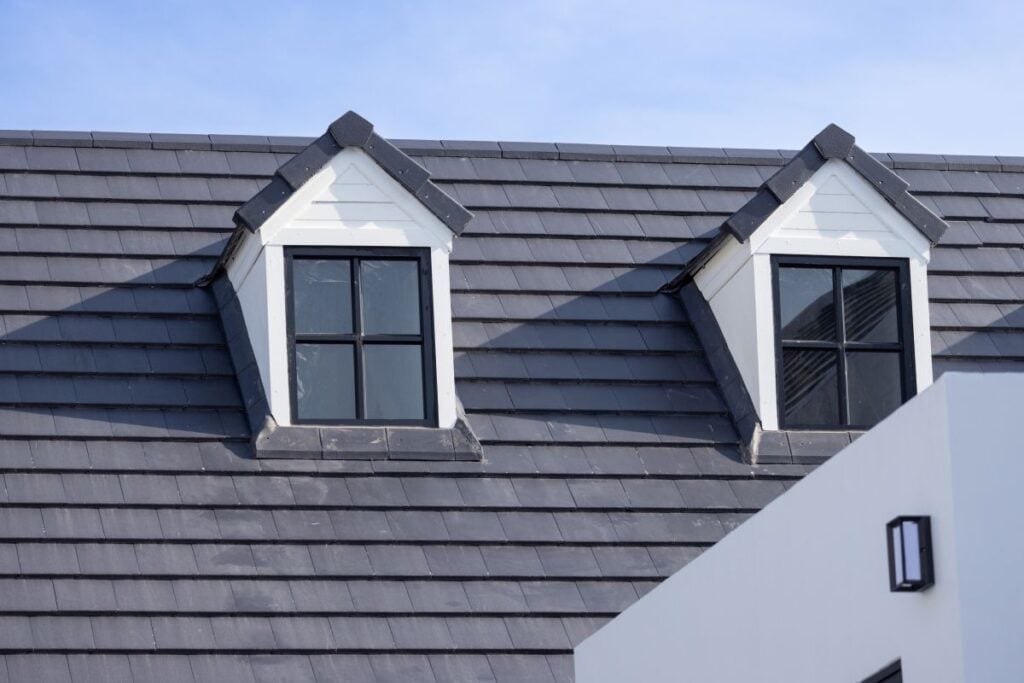
In California, slate roof prices tend to be higher than the national average due to elevated labor rates, material shipping expenses, and local building requirements. According to roofing cost guides, premium materials like slate can reach up to around $45 per square foot on the high end compared to more common asphalt shingle roofs that cost roughly $7 per square foot.
On a typical home with a roof approximately 1,700 square feet, a slate roof, including materials and labor — can realistically range from about $25,000 to $75,000 or more, depending on the type of slate you choose and the complexity of the installation. Higher-end natural slate options may push this figure closer to the top of that range.
Why Slate Roofing Costs More Than Other Materials
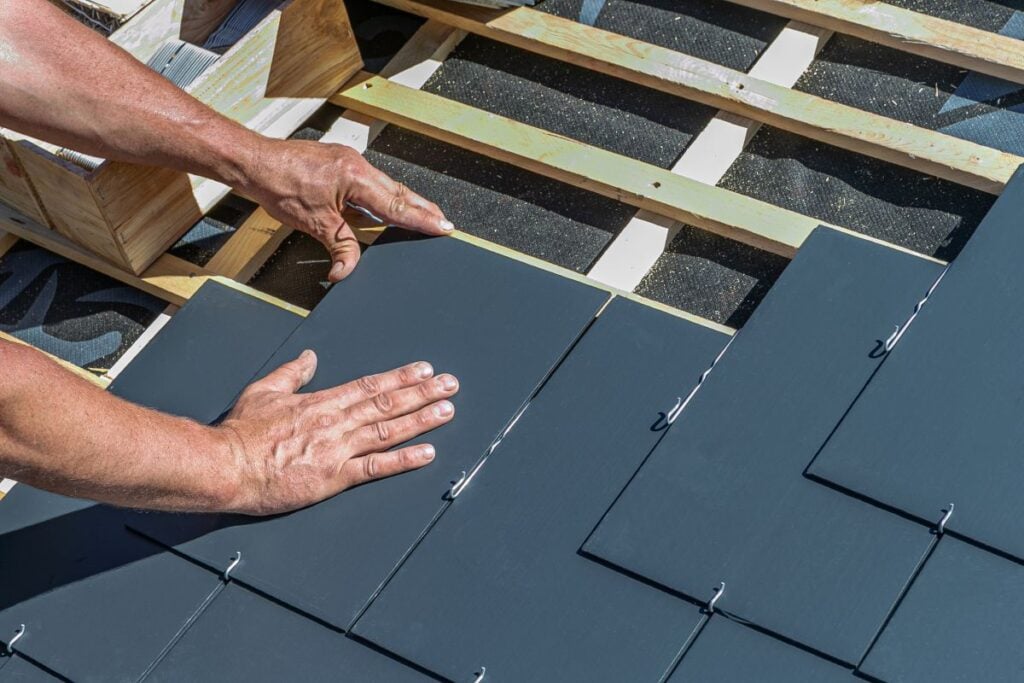
Slate roofing is more expensive than standard asphalt or metal roofing for several reasons. First, natural slate is a stone product that must be quarried, cut, and finished before installation. It also weighs significantly more than typical roofing materials, meaning additional structural preparation is often required. Specialized labor is needed to place and secure slate tiles properly, which adds to both labor time and cost.
Accessibility and local supply also influence pricing. California’s distance from major slate quarries — most located on the East Coast or in the Northeast — means material shipping costs can be higher compared to regions closer to those sources.
This intensive manufacturing process is a stark contrast to the mass-produced asphalt tabs often discussed when comparing the overall cost of metal roof vs shingle options.
6 Key Factors That Affect Slate Roof Cost in 2026
There are several factors that contribute to the total amount you’ll pay for a new slate roof. Understanding these ahead of time can help you better estimate your budget and make informed decisions.
1. Type of Slate Material
Slate comes in several varieties, each with different price points and performance characteristics.
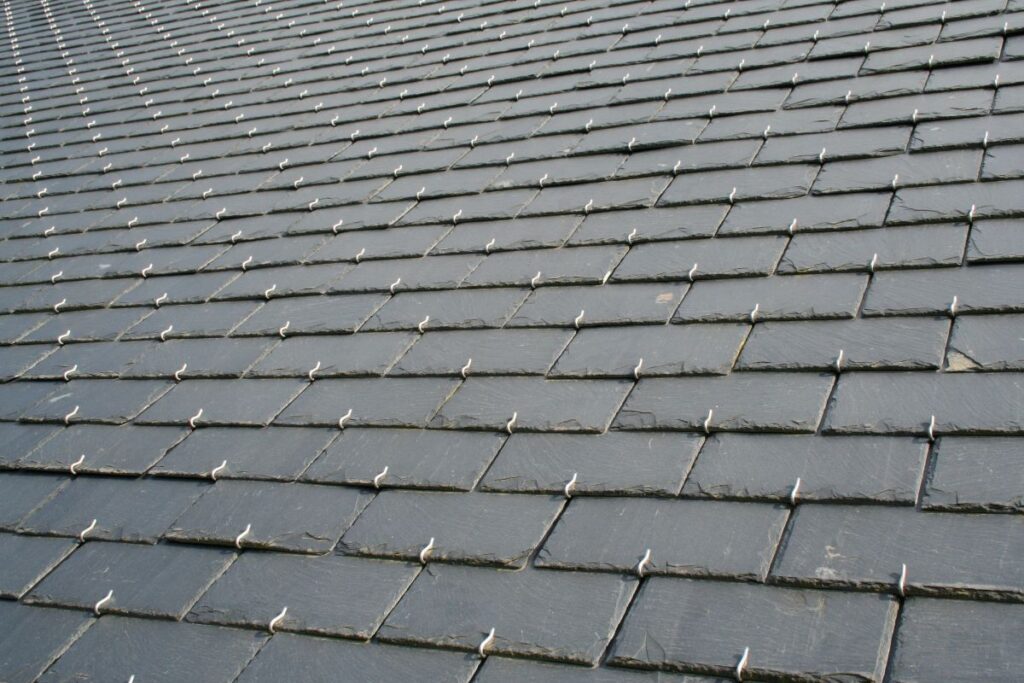
- Natural slate: Often the most durable and classic-looking option, natural slate typically costs more per square foot.
- Synthetic slate: Made from composite materials, synthetic slate mimics the look of natural slate at a lower price point.
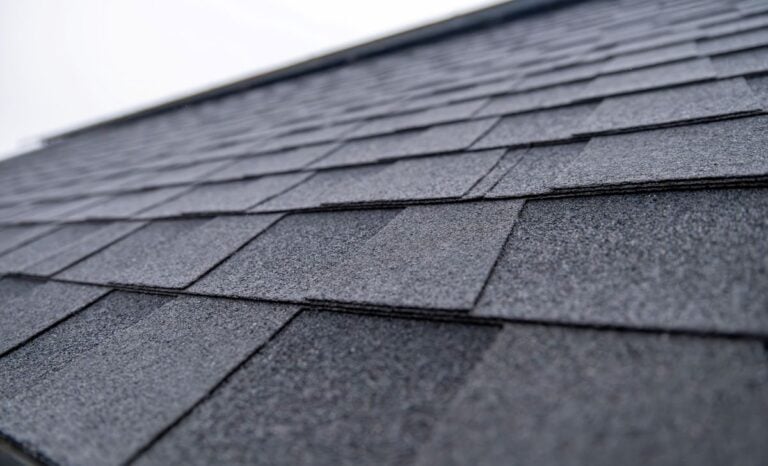
- Hybrid slate: Combines features of natural and synthetic materials, offering a balance between cost and performance. While these synthetic alternatives share some manufacturing similarities with standard composition shingles, they are specifically molded to mimic the distinct clefts and rough edges of authentic quarried stone.
- Grade quality: Higher-grade slate (such as hard slate) commands a premium due to its longevity and visual quality.
2. Roof Size and Complexity
- Square footage: Larger roofs require more materials and labor, which increases the cost proportionally.
- Roof pitch: Steeper and more complex roofs require more safety equipment and time, adding to labor expense.
- Valleys and architectural features: Additional angles, dormers, and penetrations increase installation difficulty.
Understanding the structural differences between a hip roof vs gable roof clearly illustrates why properties with multiple intersecting slopes demand significantly more specialized cutting and custom flashing work.
3. Structural Reinforcement Needs
Because slate is heavy — often weighing several times more than asphalt shingles — many homes require structural reinforcement to support the added load. This may involve strengthening roof framing or adding support beams, which adds to the overall project cost.
Navigating the complex engineering permits and strict historical society approvals required to drastically alter a home’s load-bearing limits can halt a project for months, which is why having a qualified contractor manage these municipal headaches keeps the timeline strictly on track.
4. Labor Rates and Local Market Conditions
- Specialized installation: Slate roofing installation requires skilled roofing professionals, which increases labor rates.
- California labor costs: Higher regional labor costs in many parts of California can raise your project price compared to other states.
- Contractor availability: Demand for slate roofing specialists can affect how quickly and affordably your project is scheduled.
5. Removal and Disposal of Old Roofing
Old roofing materials must be removed and disposed of before new slate tiles are installed. Disposal fees, hauling costs, and tear-off labor vary by location and contribute to the final slate roof cost.
Coordinating the heavy machinery needed to safely export massive amounts of heavy demolition debris without violating strict neighborhood noise ordinances is a logistical nightmare best left for a professional roofer to orchestrate.
6. Underlayment, Flashing, and Accessories
High-quality underlayment, flashing, ridge caps, and waterproofing materials are critical for long-lasting performance and leak prevention. These components add to the material cost but help ensure your slate roof performs well in California’s varied climates, from coastal fog to inland heat.
Evaluating Long-Term Value
Slate roofs are one of the most durable roofing systems available and often outlast other materials by decades. While the initial investment is significant, many homeowners consider slate a long-term asset. It resists fire and weathering, requires minimal maintenance, and can add substantial resale value due to its longevity and premium appearance.
Because slate can last 75 to 200 years depending on the grade and installation quality, the investment may pay off over generations if you plan to stay in your home long term.
Tips for Budgeting and Planning
When planning a slate roofing project, start with a clear measurement of your roof’s square footage and pitch. Get detailed quotes from licensed roofing pros, and ask for line-item breakdowns that include material costs, labor rates, structural work, and accessory materials.
Consider scheduling projects outside of peak roofing seasons to potentially reduce labor costs, and always check whether permits or inspections are required in your city or county. Planning ahead can help you avoid unexpected delays or price adjustments.
Plan for the True Slate Roof Cost
Slate is a premium roofing option that delivers unmatched durability and elegant aesthetics, but the slate roof cost reflects that quality. In California, where labor and material costs tend to run higher than national averages, budgeting realistically means understanding material types, structural requirements, and local market conditions.
If you want help evaluating your roof’s condition and what a roof project might mean for your home, reach out to schedule a free inspection. A professional assessment helps you make an informed decision and ensures your roof investment aligns with your long-term goals.


4.8 RATING

5.0 RATING

A+ RATING