

What Is a Soffit and Why Does Your Roof Need It?
If you’ve ever wondered what is a soffit, you’re not alone. While it may not be the most visible part of your roofing system, the soffit plays a crucial role in protecting your home and keeping your attic properly ventilated.
- Essential ventilation: Soffits allow air to flow into your attic, reducing moisture and heat buildup.
- Protection from pests and moisture: They help seal off your roof’s underside from rain and wildlife.
- Important for roof health: A damaged or missing soffit can lead to long-term roofing issues.
Let’s take a closer look at what soffits do, why they matter, and how they contribute to the overall performance of your roofing system.
Understanding the Purpose of a Soffit
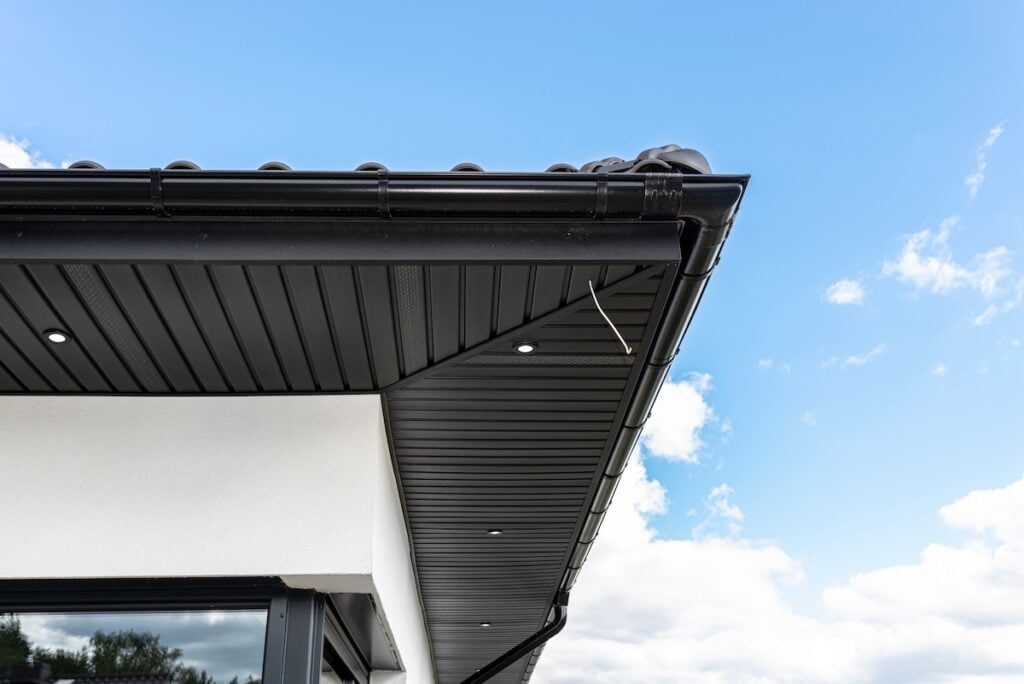
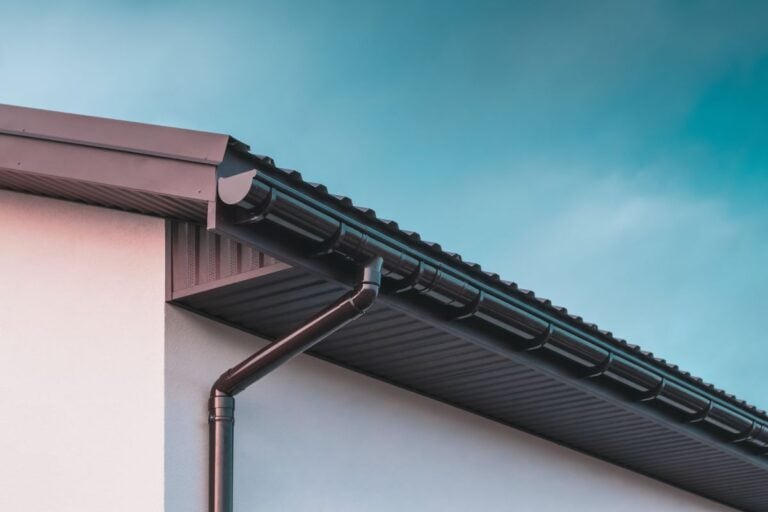
The soffit is the horizontal surface located under the overhanging section of your roof, connecting the exterior wall of your home to the edge of your roofline. Most homeowners see it as the finished underside beneath roof eaves, but it serves more than just an aesthetic purpose.
Soffits help regulate airflow in your attic, prevent mold and rot by reducing humidity, and act as a barrier against pests and weather. In combination with roof vents, soffits promote circulation that extends the life of your roof and improves your home’s energy efficiency.
Learning about the different parts of a roof makes it much clearer why these lower exterior panels are critical for complete system performance.
Where Is the Soffit Located?
You’ll find the soffit directly underneath your roof’s eaves. It runs horizontally from the exterior wall to the fascia board, which is the vertical board that holds your gutters.
In homes with overhanging rooflines, this section is typically enclosed and vented. In homes with flush rooflines or minimal eaves, soffits may be minimal or integrated into other ventilation systems. Either way, their presence or absence can significantly impact attic airflow and roofing performance.
5 Key Reasons Your Roof Needs a Soffit
While soffits might seem like a small detail, they perform several vital functions. These five benefits explain why every roof should have a properly installed and maintained soffit system.
1. Ventilation and Airflow
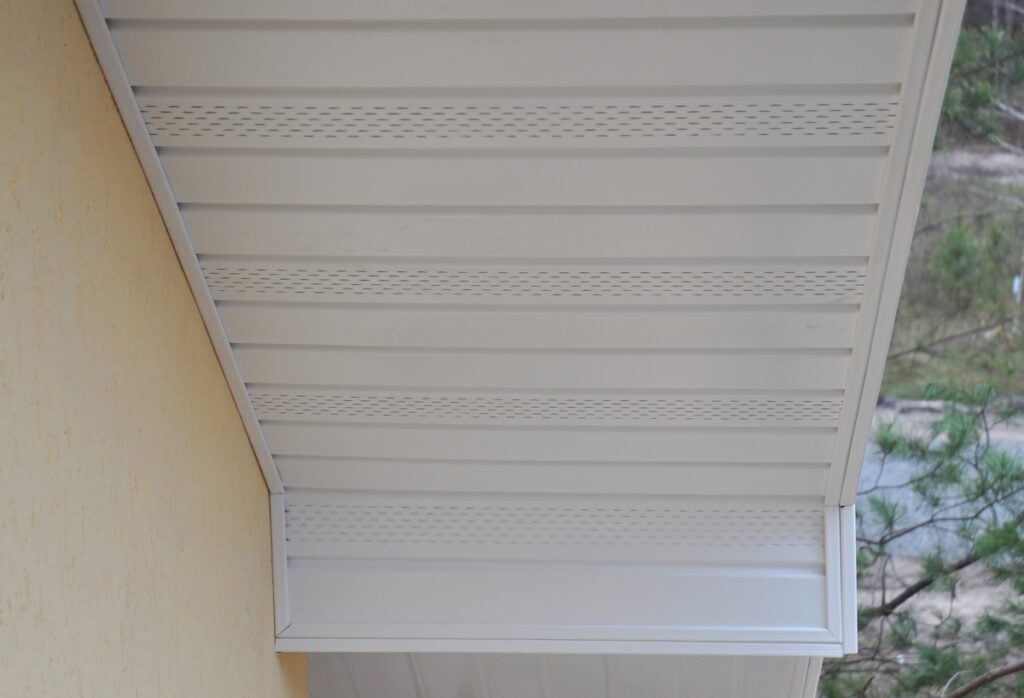
Soffits allow fresh air to enter the attic, pushing hot and moist air out through ridge or gable vents. This constant intake operates perfectly alongside higher exhaust roof vents to guarantee the attic space never becomes stagnant or overheated. This passive airflow is essential for maintaining balanced attic temperatures year-round.
- Prevents overheating: Reduces strain on HVAC systems during hot weather.
- Controls moisture: Keeps humidity levels in check to prevent mold and mildew.
- Improves air circulation: Enhances roof lifespan by reducing trapped heat.
2. Moisture Prevention
Without proper ventilation, moisture from everyday household activities can accumulate in the attic and cause wood rot or structural damage. Soffits work with vents to keep attic conditions dry and stable.
- Reduces condensation: Helps prevent moisture buildup on rafters and decking.
- Prevents ice dams: In colder climates, proper ventilation minimizes ice dam formation.
- Protects insulation: Keeps attic insulation from becoming damp and ineffective.
Protecting your roof insulation from excessive humidity ensures the thermal barrier remains highly effective at reducing monthly heating and cooling costs.
3. Protection from Pests and Wildlife
Open eaves can serve as easy access points for squirrels, birds, bats, and insects. A sealed soffit system helps block these unwanted visitors from nesting inside your roof structure.
- Creates a sealed barrier: Blocks gaps that critters could squeeze through.
- Reduces pest damage: Minimizes risk of chewed wiring, nesting, and contamination.
- Keeps attic clean: Prevents droppings and debris that attract other pests.
4. Aesthetic Appeal
Soffits provide a finished look to the edge of your roof, helping to create clean, defined lines that boost curb appeal. Vented or solid soffit panels come in various colors and materials to match your home’s exterior. Taking the time to coordinate these panels with optimal house and roof color combinations can significantly elevate the overall exterior design of the property.
- Cohesive design: Complements fascia, siding, and roofing components.
- Hides structural elements: Conceals rafters, beams, and roof decking.
- Customizable options: Available in vinyl, aluminum, wood, and composite materials.
5. Fire Protection and Code Compliance
In many areas, soffits are required to meet local building codes for fire resistance. Fire-rated soffit materials can help slow the spread of flames in the event of an external fire.
- Fire-rated materials: Certain soffit panels meet ignition resistance standards.
- Required by code: Many municipalities require soffits for ventilation and safety.
- Adds passive fire resistance: Helps protect vulnerable roof edges in fire-prone areas.
How Soffits Work With the Rest of Your Roofing System
Soffits do not operate in isolation. They are part of a larger attic ventilation system that includes ridge vents, gable vents, and insulation. When everything works together, your roof breathes properly, allowing hot air to escape and fresh air to circulate.
When soffits are blocked, broken, or missing, airflow is disrupted. This can lead to mold in the attic, warped roof decking, and premature shingle deterioration. Professional inspections help ensure soffits remain clear and functional.
Signs Your Soffit May Need Repair or Replacement
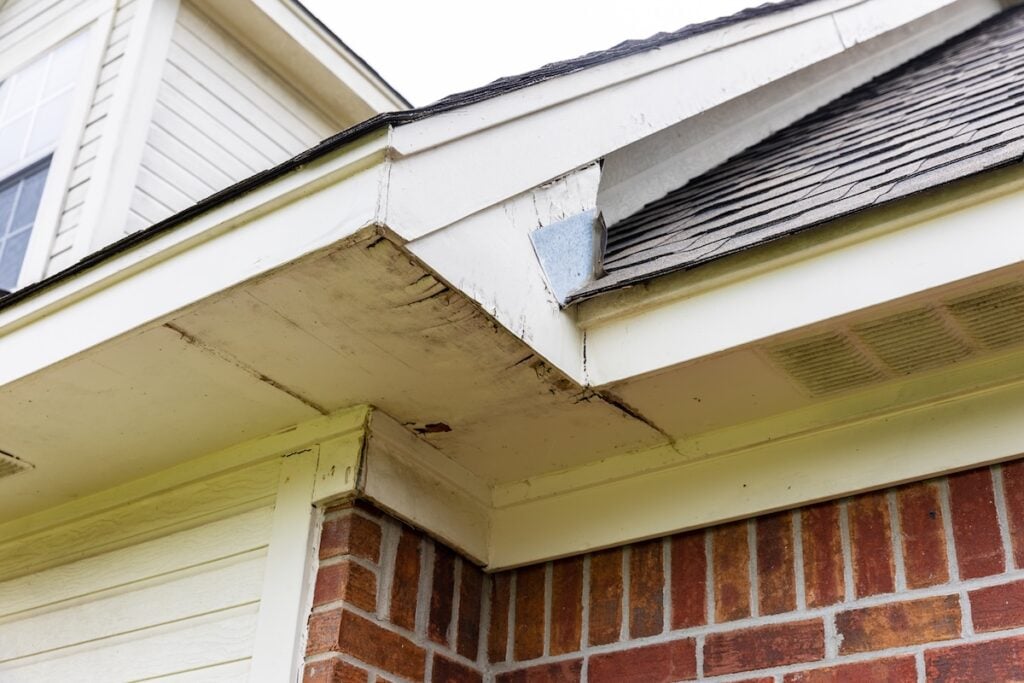
Like any component of your roof, soffits can age, warp, or suffer damage. Visible cracks, peeling paint, stains, or signs of pests may indicate it’s time for repair or replacement. You might also notice poor ventilation in the attic. Hot, stuffy air or a musty smell could mean the soffits are blocked or not functioning properly.
If you encounter these warning signs, having a professional roofer assess the system will ensure the airflow issue is correctly diagnosed and safely resolved. For long-term durability is key to have a roof inspection to check all components of your roof system, including soffits, fascia, flashing, and ventilation. While soffits may be overlooked by some, we know they play a key role in the health of your home.
Don’t Overlook the Importance of Your Soffit
If you’ve ever asked “what is a soffit,” now you know it’s one of the most valuable and underrated parts of your roof. Soffits do more than add a finished look. They protect your home from pests, moisture, and heat while keeping your attic well ventilated year-round.
Capstone Roofing Inc. is here to help ensure your entire roofing system, including the soffits, is functioning as it should. Contact us today to schedule a free inspection and get expert guidance on your roof’s ventilation, protection, and performance.


4.8 RATING

5.0 RATING

A+ RATING