

TPO vs EPDM: What Are The Pros & Cons?
When comparing TPO vs EPDM roofing, commercial property owners are often seeking the right balance between cost, performance, and longevity. Both materials are leading options for flat and low-slope commercial roofs, each with unique advantages depending on climate, budget, and long-term maintenance goals. At Capstone Roofing, we specialize in helping businesses choose the most durable and efficient roofing solutions.
- Material overview: Learn how TPO and EPDM differ in composition and performance.
- Advantages and drawbacks: Understand where each material excels and where it may fall short.
- Installation and maintenance insights: Discover how proper care impacts lifespan and return on investment.
Understanding TPO and EPDM Roofing
While both TPO and EPDM are single-ply membranes designed for commercial buildings, they differ significantly in construction, energy efficiency, and overall resilience.
What Is TPO Roofing?
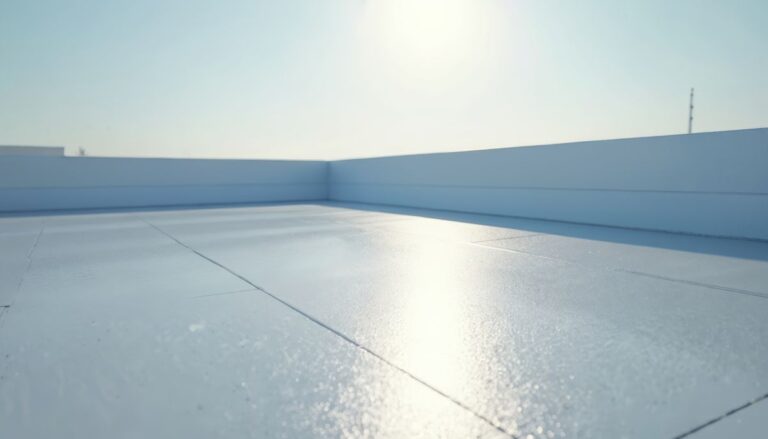
TPO (Thermoplastic Polyolefin) is a white, reflective single-ply membrane made from a blend of polypropylene and ethylene-propylene rubber. It’s heat-welded at the seams to create a watertight bond, offering high resistance to UV rays and punctures. TPO roofing is often chosen for its energy efficiency and modern aesthetic.
What Is EPDM Roofing?
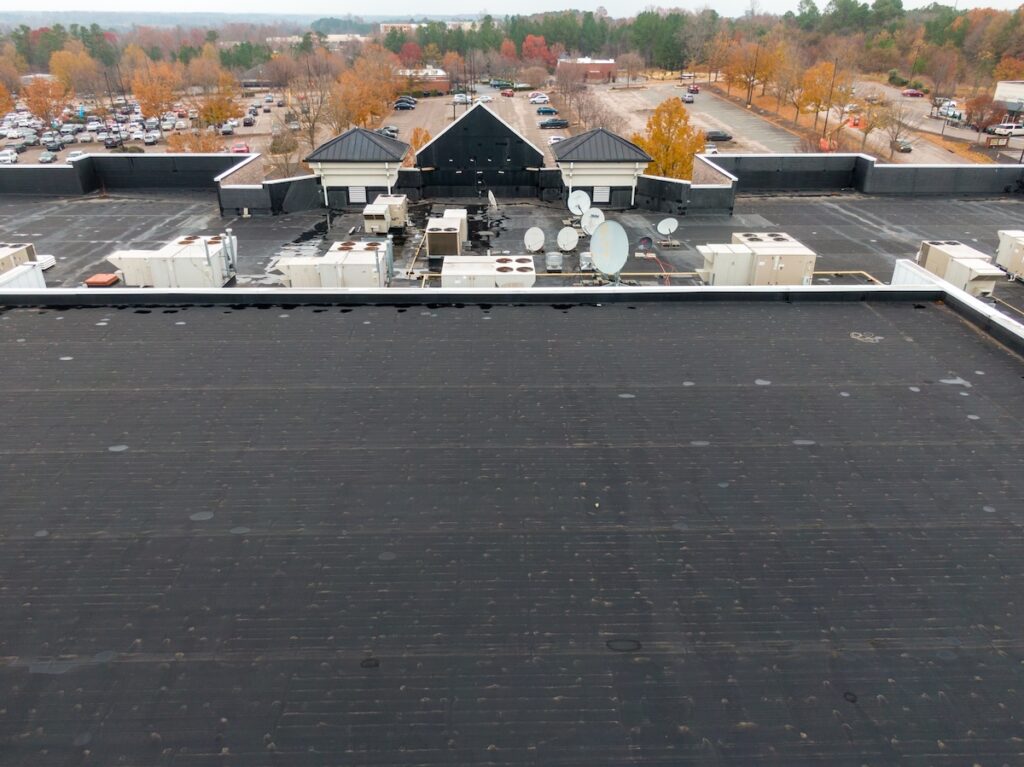
EPDM (Ethylene Propylene Diene Monomer) is a synthetic rubber roofing membrane that has been used for decades in the commercial roofing industry. It’s typically black, though white versions are available. Unlike TPO, EPDM roofs are installed using adhesives or mechanical fasteners, and seams are sealed with tape rather than heat welding.
Lifespan and Performance Comparison
When choosing between TPO and EPDM, understanding their expected lifespans and performance under different conditions helps guide better long-term decisions.
Average Lifespan
A properly installed EPDM roof can last 25 to 30 years, while TPO typically lasts 20 to 25 years. EPDM’s rubber composition gives it an edge in flexibility and weathering resistance, especially in colder regions. However, TPO’s reflective surface often performs better in warmer climates where UV protection and energy efficiency are priorities.
Weather Resistance
TPO membranes are more resistant to UV radiation and heat degradation, making them ideal for sun-exposed regions. EPDM, however, performs better in colder climates due to its elasticity and ability to expand and contract without cracking.
Maintenance Requirements
- EPDM: Requires occasional resealing of seams and flashing due to adhesive aging.
- TPO: Needs periodic inspection of welds to ensure seam integrity remains strong.
- Both: Benefit from annual professional inspections and cleaning to prevent premature wear.
Installation Differences
The installation process directly impacts the roof’s long-term durability and overall cost. Both systems have distinct methods that affect project timelines and maintenance considerations.
TPO Installation
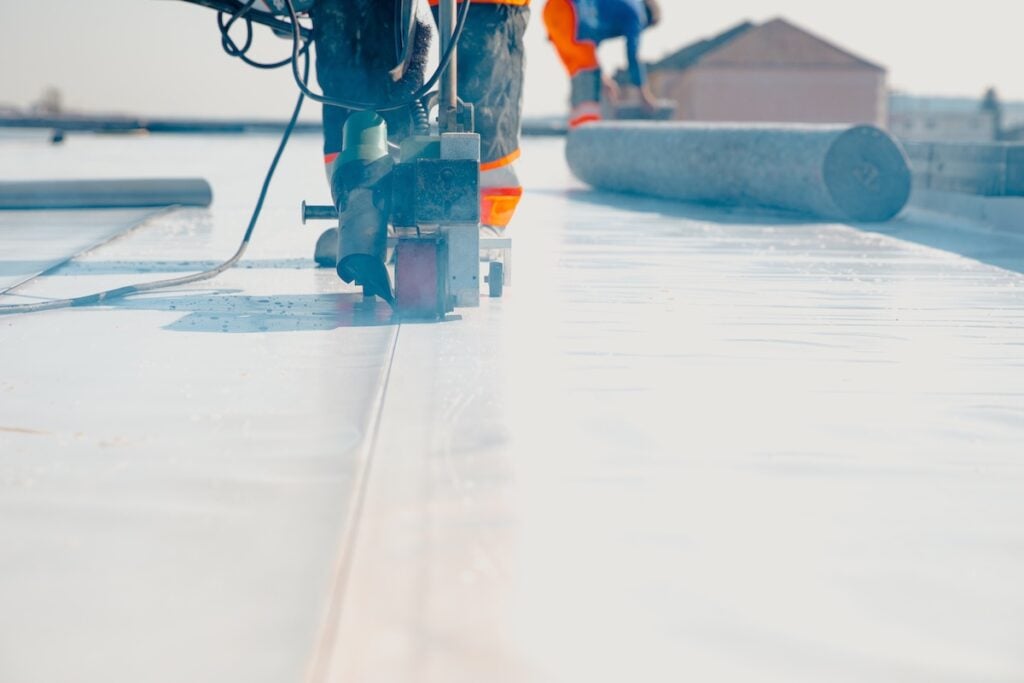
TPO roofing is typically installed using a heat-welded method that fuses seams together for a strong, watertight bond. This process requires specialized equipment and training but results in a sleek, uniform appearance and superior resistance to leaks.
EPDM Installation
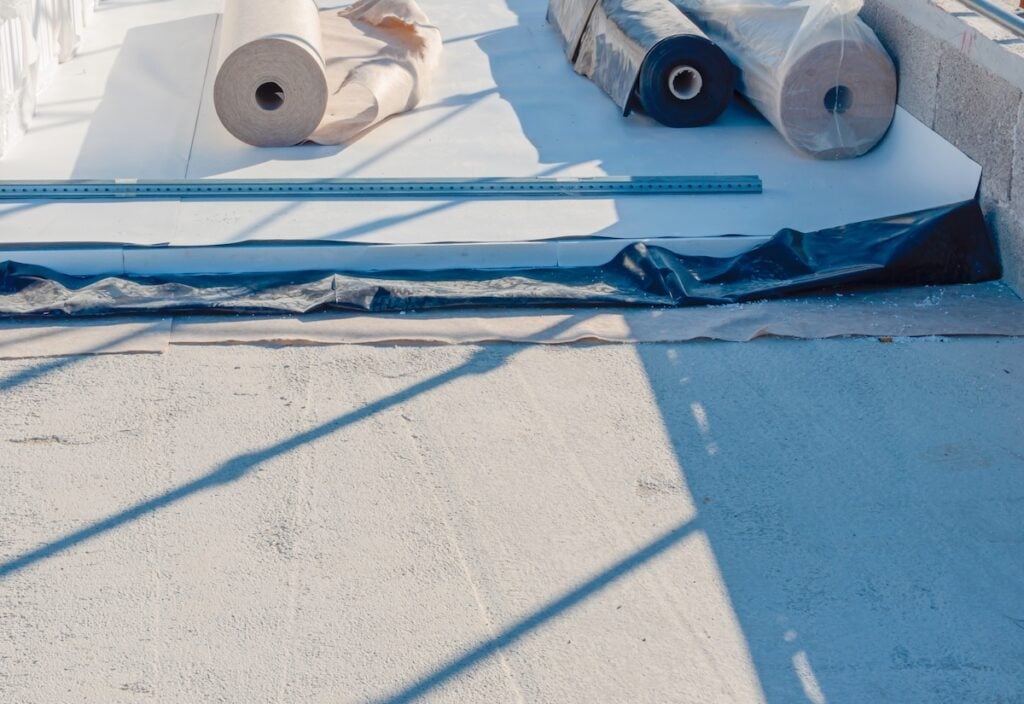
EPDM is adhered or mechanically fastened to the roof substrate, with seams joined using tape or liquid adhesives. While installation is less complex, the seam bonds are generally weaker than heat-welded TPO seams, increasing the importance of regular maintenance.
5 Key Pros and Cons of TPO vs EPDM Roofing
When comparing TPO vs EPDM, each system has clear strengths and potential drawbacks. Understanding these can help determine which material best suits your property’s needs and operational environment.
- Durability: TPO offers excellent puncture and tear resistance, while EPDM provides superior flexibility, especially in colder conditions.
- Energy Efficiency: TPO’s white reflective surface lowers energy costs in warm climates, whereas EPDM’s dark surface can help retain heat in cooler regions.
- Cost: EPDM generally has a lower upfront cost and simpler installation process, while TPO may cost slightly more due to the need for heat-welded seams.
- Maintenance Needs: TPO seams are stronger and more resistant to leaks, but EPDM’s adhesive-based seams require regular inspection and resealing over time.
- Aesthetic Options: TPO comes in various colors, typically white, tan, or gray, whereas EPDM is primarily available in black or white.
Environmental and Energy Considerations
Energy performance and environmental sustainability play major roles in roofing selection for commercial properties, particularly for those aiming to reduce operational costs or achieve LEED certification.
Energy Efficiency
TPO’s reflective properties make it an energy-efficient choice for businesses located in warm or sunny regions. The membrane helps reduce cooling costs by reflecting solar heat, improving indoor comfort, and lowering HVAC strain. EPDM’s dark color, by contrast, absorbs heat — beneficial in colder climates where reducing heating costs is a higher priority.
Sustainability and Recyclability
Both TPO and EPDM can be recycled at the end of their service lives. However, TPO is easier to process for recycling, while EPDM’s rubber composition requires more specialized facilities. Many manufacturers now produce eco-friendly versions of both membranes to support sustainable building initiatives.
LEED and Green Building Benefits
Installing a reflective TPO system can contribute to LEED points in categories such as “Heat Island Reduction” and “Energy Optimization.” EPDM can also contribute to LEED goals when paired with additional insulation or energy-efficient coatings.
Common Applications and Ideal Environments
Choosing between TPO and EPDM often depends on the type of facility, environmental exposure, and operational priorities.
Best Uses for TPO Roofing
TPO is frequently used on retail centers, office buildings, warehouses, and facilities located in high-sun or high-heat areas. Its reflective properties make it especially effective for reducing energy consumption and meeting modern building codes focused on efficiency.
Best Uses for EPDM Roofing
EPDM is ideal for industrial facilities, schools, and large commercial structures in regions with variable temperatures and cold winters. Its flexibility and proven long-term reliability make it a preferred choice for property owners seeking a cost-effective and low-maintenance solution.
Cost Analysis: Short-Term vs Long-Term Investment
While upfront costs are an important consideration, long-term value should always guide commercial roofing decisions.
Upfront Costs
EPDM is typically more affordable to install, primarily because it doesn’t require heat-welding equipment. The material itself is also less expensive, making it an appealing option for property owners seeking budget-conscious solutions.
Long-Term Costs
TPO’s higher initial investment often pays off through reduced energy bills and fewer seam-related repairs over time. For buildings exposed to intense sunlight or located in warm climates, TPO’s energy savings can offset installation costs within several years.
Maintenance and Longevity Tips
Regardless of which system is chosen, consistent maintenance ensures maximum performance and return on investment.
- Annual inspections: Schedule professional roof inspections twice a year to catch early signs of wear.
- Seam care: Re-seal EPDM seams periodically; inspect TPO welds for separation or puncture points.
- Cleanliness: Remove debris, algae, and standing water regularly to prevent membrane damage.
- Professional repairs: Always rely on certified roofing contractors to perform repairs or modifications.
Why Installation Expertise Matters
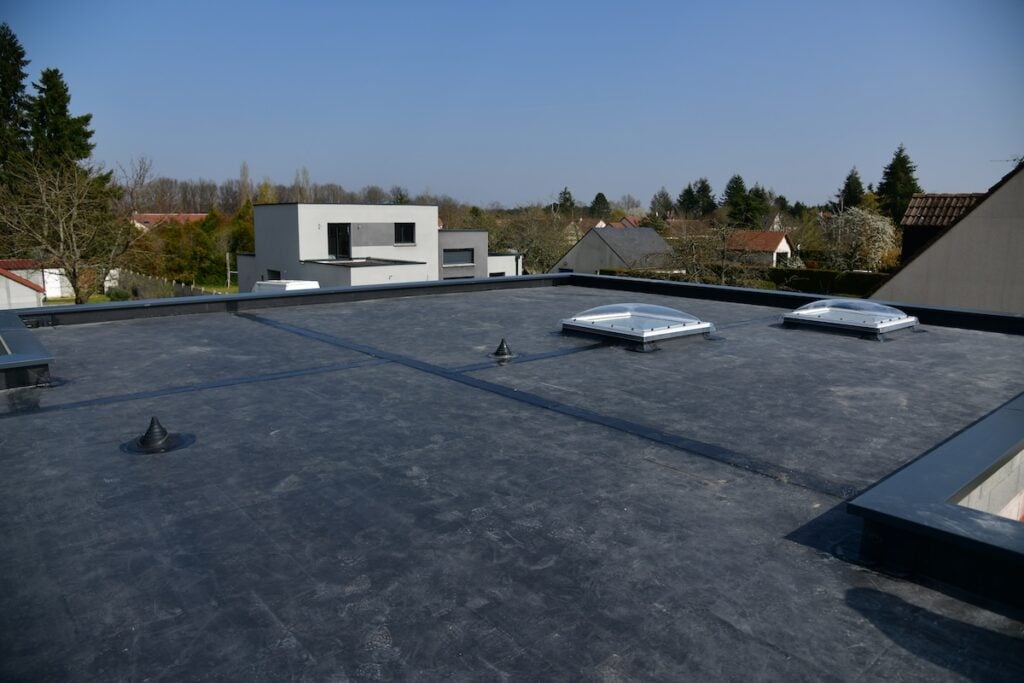
Choosing the right contractor is just as important as selecting the right roofing material. Improper installation can reduce the lifespan of both TPO and EPDM roofs, leading to leaks, energy inefficiency, and structural damage.
At Capstone Roofing, every installation is handled by trained technicians who specialize in single-ply membrane systems. We follow strict manufacturer guidelines to ensure your roof performs at peak efficiency for decades.
- Precision workmanship: Every weld, seam, and flashing is installed with professional-grade accuracy.
- Comprehensive warranties: We ensure your roof meets manufacturer warranty standards for long-term protection.
- Proactive support: Our maintenance programs help extend the life of your roof and prevent costly downtime.
Choose Long-Term Protection With Capstone Roofing
When it comes to TPO vs EPDM roofing, there is no one-size-fits-all solution. TPO offers superior energy efficiency, seam strength, and reflective performance for warmer climates, while EPDM provides unmatched flexibility, proven longevity, and affordability for cooler environments.
Whether your priority is energy savings, cost control, or lasting protection, Capstone Roofing provides expert installation and dependable service you can trust. To start your planning process with a complete understanding of the leading single-ply options, you can explore our full comparison of the benefits and drawbacks of TPO vs. PVC roofing.
Contact Capstone Roofing today for a free commercial roofing estimate — and let us help you invest confidently in a system that protects your property for years to come.


4.8 RATING

5.0 RATING

A+ RATING