

PVC Roofing: 6 Benefits and Best Use Cases for 2026
If you’re managing a commercial building and evaluating flat roof options, PVC roofing continues to stand out in 2026 as a highly durable and energy-efficient choice. Whether you’re replacing an aging roof or planning a new installation, this single-ply membrane system offers performance advantages that make it especially appealing for flat and low-slope commercial roofs.
- Durable and long-lasting: PVC membranes can withstand chemicals, heat, and heavy use.
- Ideal for commercial settings: From restaurants to warehouses, it performs in tough environments.
- Energy-saving potential: Reflective surfaces help reduce cooling costs in warm climates.
In this blog, we’ll cover what PVC roofing is, its top benefits, and the best use cases for commercial properties considering an upgrade in 2026.
What Is PVC Roofing?
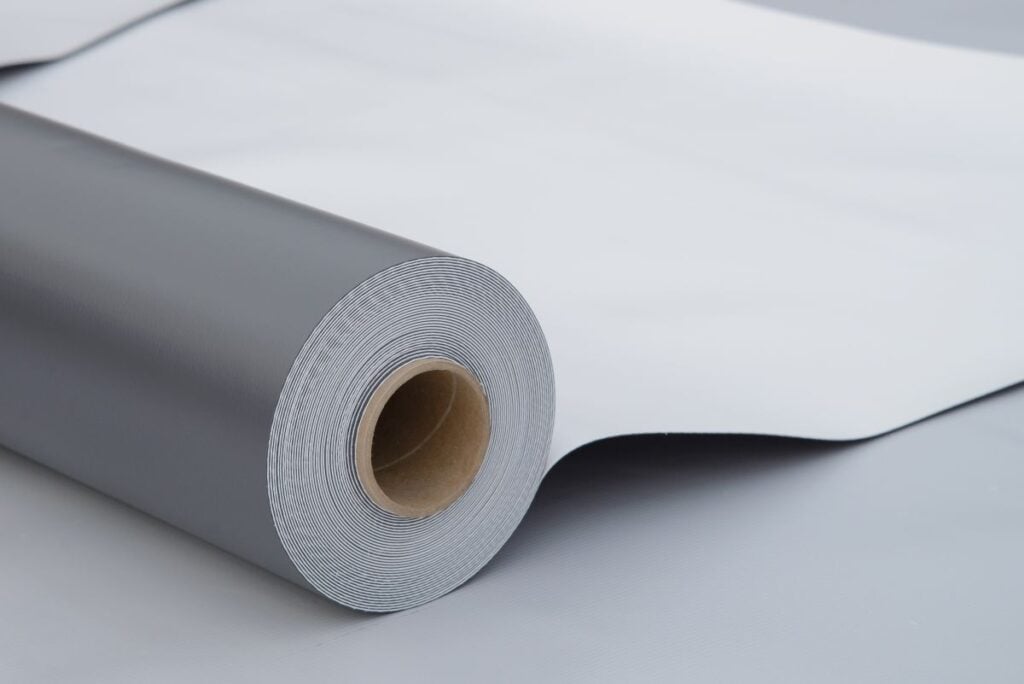
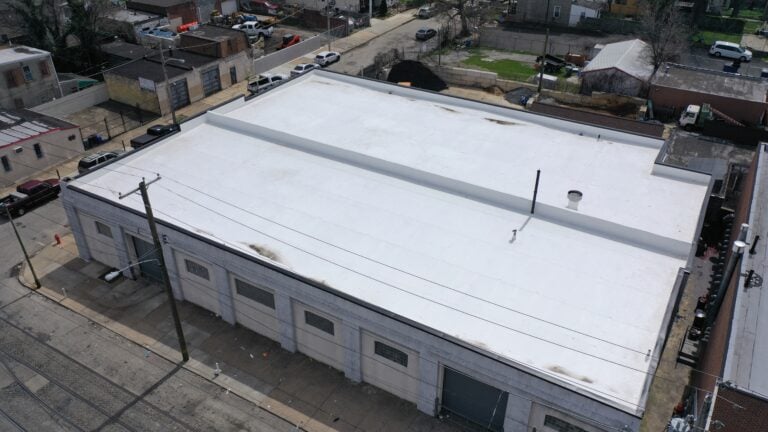
PVC stands for polyvinyl chloride, a type of plastic known for its strength, flexibility, and chemical resistance. In roofing, it is manufactured as a single-ply membrane designed specifically for flat or low-slope applications. PVC roofing is typically white or light-colored, which enhances reflectivity and energy efficiency. It’s installed in large rolls that are heat-welded at the seams to create a continuous, watertight barrier.
Unlike other roofing systems that rely on adhesives, tar, or multiple layers, PVC roofing systems are lightweight, relatively easy to install, and designed to last decades when properly maintained. The membrane’s ability to resist moisture, UV rays, and chemical exposure makes it especially suited for commercial environments.
When exploring single ply roofing options, the continuous watertight nature of these welded rolls often makes them superior to traditional built-up asphalt systems.
Why PVC Roofing Is Popular in 2026
The roofing industry continues to evolve with a greater emphasis on sustainability, energy savings, and long-term durability. PVC roofing meets all of these demands and more. Its compatibility with solar panel systems, recyclability, and ability to withstand harsh conditions without degrading are just a few reasons why it remains a go-to choice for commercial property owners and facility managers.
Incorporating this durable material during a full commercial roof replacement ensures the building meets modern energy efficiency standards while minimizing future operational disruptions.
Labor shortages and rising material costs have also made reliability and minimal maintenance more important than ever. PVC roofing systems are built to reduce long-term headaches by offering predictable performance over time.
To ensure this level of reliability is achieved, having a qualified contractor from Capstone Roofing handle the installation is essential for maximizing the lifespan of the membrane.
6 Benefits of PVC Roofing
Below are six key advantages that make PVC a top performer in flat roofing applications. These benefits help explain why many commercial property owners continue to choose PVC roofing systems for long-term durability, efficiency, and reliability in 2026.
1. Long-Term Durability
PVC membranes are engineered for strength. They can resist impact, high foot traffic, and even hail better than many alternatives. The material doesn’t shrink or become brittle over time, helping preserve the watertight integrity of the roof for decades.
PVC roofs often last 20 to 30 years or more with routine maintenance, making them a strong investment for facility managers seeking low life-cycle costs.
2. Heat-Welded Seams Prevent Leaks
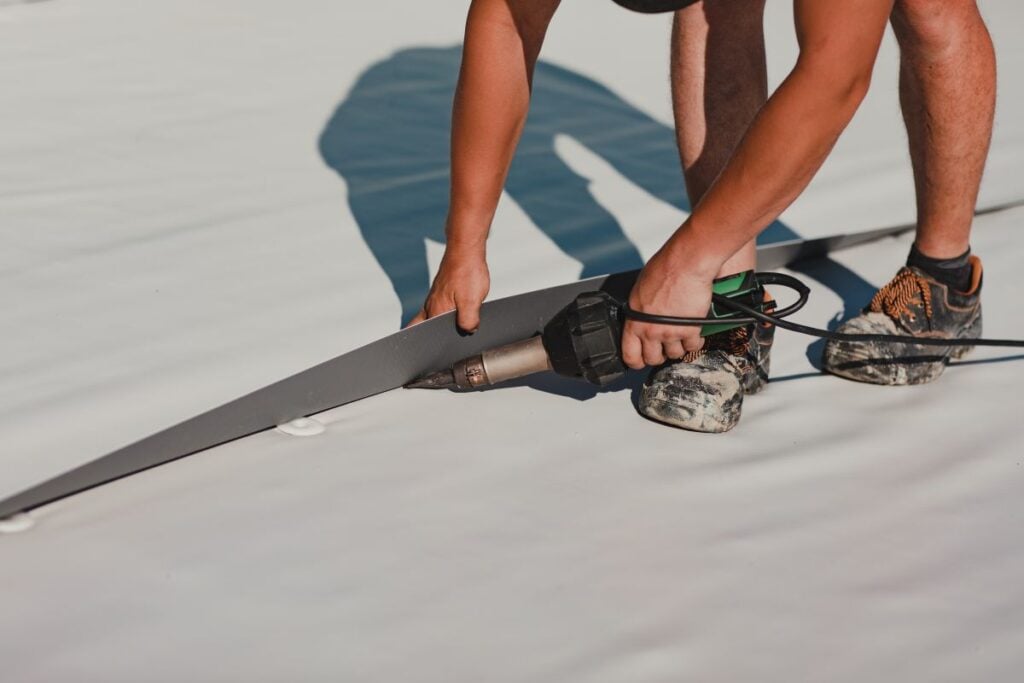
One of the most important features of PVC roofing is its hot-air welded seams. These seams form a permanent bond that is stronger than the material itself. Unlike EPDM or TPO membranes that rely on tapes or adhesives, PVC seams are less likely to fail over time.
While traditional EPDM roofing provides excellent flexibility, its reliance on glued overlaps means it can be more vulnerable to standing water compared to these hot-air welded joints.
This welding process creates a completely watertight seal, which is especially important in areas that experience frequent ponding water or heavy rainfall. Seam integrity is critical for leak prevention, and PVC delivers outstanding performance in this area.
3. Energy Efficiency and Reflectivity
PVC roofing is available in highly reflective white or light gray colors, which meet or exceed ENERGY STAR® and Cool Roof Rating Council (CRRC) guidelines. These reflective surfaces help lower rooftop temperatures by deflecting UV rays and minimizing heat absorption.
For buildings with large flat roofs, this can lead to significant savings on air conditioning costs, especially in warm or sunny climates. Over time, this contributes to reduced energy use, lower utility bills, and a smaller environmental footprint.
4. Resistance to Chemicals, Grease, and Fire
PVC is one of the few roofing materials that offers excellent resistance to chemicals, oils, animal fats, and even fire. This makes it especially valuable for restaurants, food-processing plants, and manufacturing facilities where contaminants on the roof surface can quickly degrade less durable membranes.
Its Class A fire rating adds another layer of protection, especially for buildings in high-risk areas or those requiring additional fire safety features. PVC’s ability to perform in harsh and high-demand settings gives it a clear edge over many other commercial roofing systems.
5. Minimal Maintenance Needs
Thanks to its durability and resistance to algae and mold, PVC roofing typically requires very little upkeep. It is easy to clean, doesn’t absorb water, and resists buildup of organic material. If repairs are ever needed, the same hot-air welding process can be used to patch the membrane seamlessly.
Routine inspections are always recommended for flat roofs, but PVC minimizes the need for frequent intervention, helping businesses reduce annual maintenance costs.
6. Eco-Friendly Options
Many PVC membranes can be recycled at the end of their lifespan, reducing landfill waste. Additionally, their reflective nature contributes to green building standards and may help properties qualify for LEED credits or local energy efficiency incentives.
In 2026, manufacturers are continuing to improve the sustainability of PVC roofing by introducing products made with fewer raw materials or incorporating recycled content. This makes PVC not just a strong performer, but also a more responsible choice.
Best Use Cases for PVC Roofing
PVC roofing is widely used across many sectors due to its adaptability and toughness. Below are the most common and beneficial applications:
- Restaurants and Commercial Kitchens: Grease and fat resistance prevents roof breakdown and ensures a longer-lasting system.
- Manufacturing Plants: PVC can handle chemical exposure and heavy rooftop activity without degradation.
- Retail Buildings and Shopping Centers: Reflective membranes help control cooling costs in large open buildings.
- Warehouses and Logistics Facilities: Durability under rooftop equipment and minimal upkeep make PVC ideal.
- Hospitals and Healthcare Centers: Fire resistance, cleanliness, and energy savings support strict building codes.
- Schools and Government Buildings: Long lifespans and budget-conscious maintenance are major advantages.
- Green Buildings: PVC supports sustainable design goals with reflectivity and recyclability.
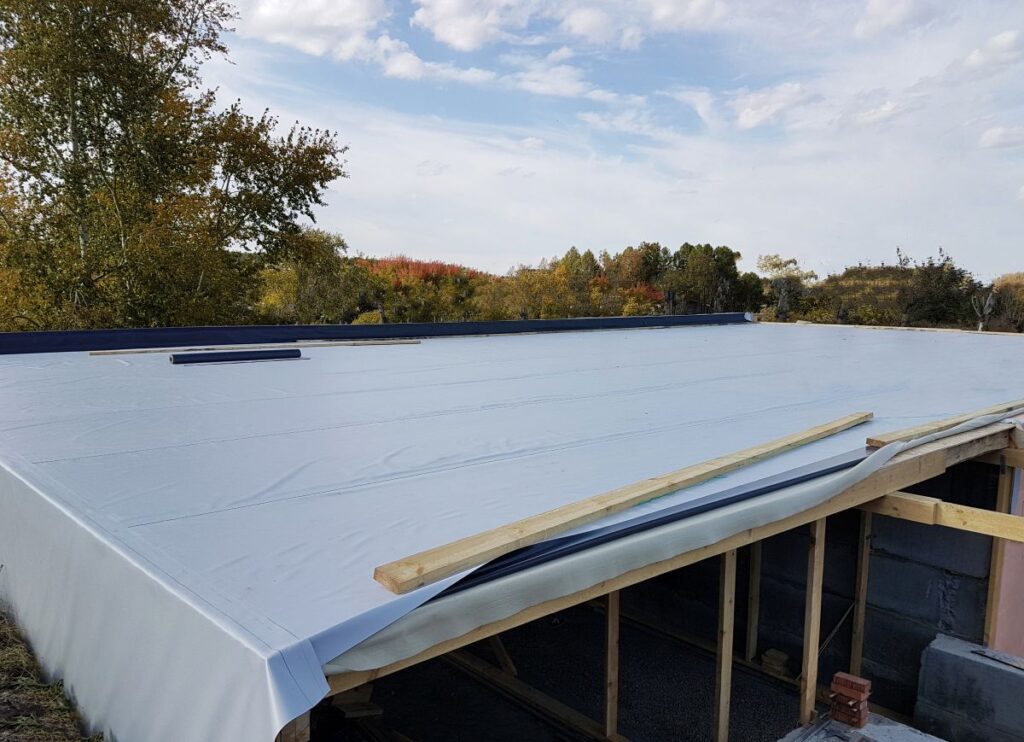
No matter the industry, PVC is especially effective for low-slope and flat roof structures where water drainage and leak protection are critical.
PVC vs. Other Single-Ply Membranes
Many commercial property owners compare PVC with TPO and EPDM when considering single-ply options. While all three have their benefits, PVC stands out in a few key areas:
- Seam strength: Heat-welded seams are stronger and more watertight than adhesives used in TPO and EPDM.
- Chemical resistance: PVC handles grease and oil exposure much better than TPO or EPDM. When analyzing TPO vs. PVC roofing, this added resistance to animal fats and industrial chemicals makes polyvinyl chloride the clear winner for food service and manufacturing facilities.
- Longevity: While EPDM can last a long time, it requires more maintenance. PVC offers a more consistent life span with fewer issues.
- Cost: PVC tends to cost more up front than TPO or EPDM, but its durability and low maintenance can make it more cost-effective over time.
Choosing between these materials depends on your building’s specific needs, budget, and environmental exposure. A professional inspection can help determine which option fits your property best.
Is PVC Roofing Right for Your Commercial Building?
PVC roofing is a top-tier solution for flat and low-slope commercial roofs in 2026. Its durability, energy savings, low maintenance, and chemical resistance make it a reliable choice for a wide range of industries. With building efficiency and performance standards becoming more demanding each year, PVC remains a future-proof investment for property owners.
Capstone Roofing Inc. is here to help you evaluate your roofing options and select the best system for your building. Contact us today to schedule a free inspection and discover whether PVC roofing is the right solution for your commercial property.


4.8 RATING

5.0 RATING

A+ RATING