

Commercial Roof Inspection: How Often Do You Need One?
A commercial roof inspection should generally be performed at least twice a year, in spring and fall, plus after any major weather event. At Capstone Roofing Inc., we have inspected commercial properties of every size, and we know that consistent inspections are the single most effective way to extend the life of a roof and avoid costly emergency repairs. The recommendation comes from the most authoritative source in the industry. According to the National Roofing Contractors Association, routine inspections are recommended at least twice per year, in the spring and fall, as well as after severe weather events. Following this schedule helps property owners catch small issues before they turn into major structural or interior damage.
In this guide, we walk through everything commercial property owners need to know about inspection frequency, what each inspection covers, and the factors that may call for more frequent assessments. We will cover:
- Recommended inspection frequency: How often commercial roofs should be inspected under standard industry guidelines.
- Factors that change the schedule: The conditions and characteristics that may require more frequent inspections.
- What a professional inspection includes: The components evaluated during a thorough commercial roof assessment.
Why Commercial Roof Inspections Matter
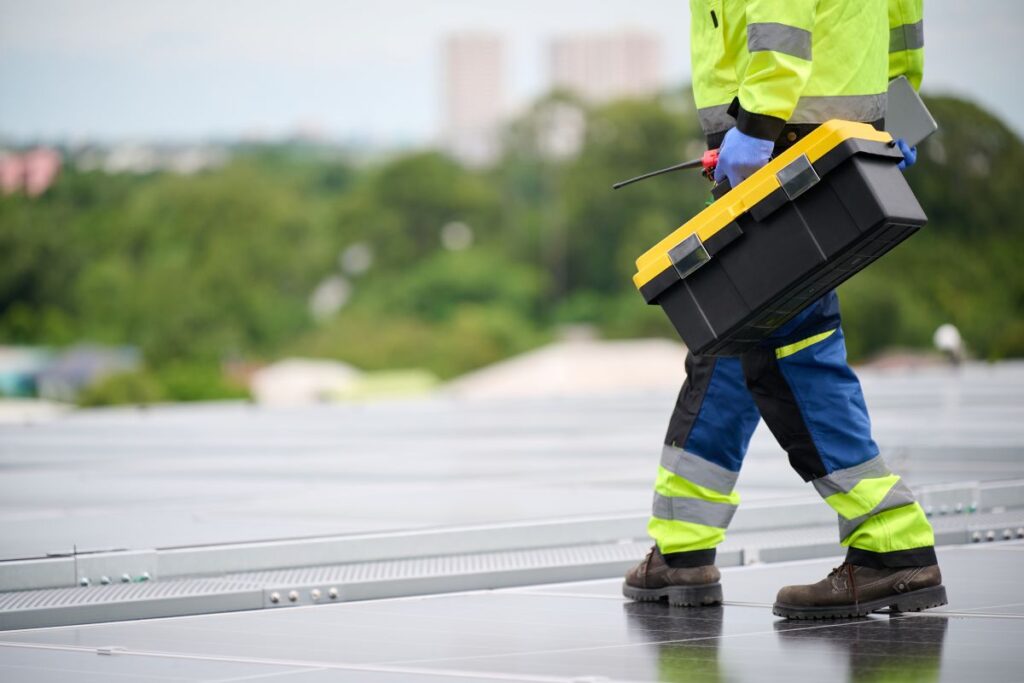
Commercial roofs face stresses that residential roofs rarely experience, including foot traffic from HVAC technicians, equipment installations, larger surface areas, and exposure to constant weather cycles. Regular inspections catch the small problems that develop quietly under these conditions before they become expensive failures. We have seen too many commercial property owners face avoidable emergency repairs simply because their roofs went too long without professional eyes evaluating them.
What Happens Without Regular Commercial Roof Inspections
Skipping inspections is one of the most expensive mistakes a commercial property owner can make. Small issues like minor membrane punctures, failed seams, or clogged drains are easy and inexpensive to fix when caught early. Left alone, those same issues lead to interior water damage, structural problems, business interruption, and dramatically reduced roof lifespan. We always remind property owners that an inspection costs a fraction of what a single emergency repair often costs.
- Interior water damage: Small leaks that go undetected can damage ceilings, drywall, inventory, and equipment over time.
- Reduced roof lifespan: Untreated minor issues can shorten the useful life of a commercial roof by years.
- Voided warranties: Many manufacturer warranties require documented routine maintenance and inspections to remain valid.
- Higher repair costs: Emergency repairs typically cost significantly more than scheduled preventive maintenance.
Benefits of Following a Regular Inspection Schedule
Property owners who commit to routine commercial roof inspections consistently see lower long-term roof ownership costs, fewer surprises, and stronger building performance overall. The benefits extend well beyond the roof itself, since a healthy roof protects everything inside the building. We always design inspection programs around the specific needs of each property because no two commercial buildings are exactly alike.
- Predictable maintenance budgeting: Regular inspections allow property owners to plan and budget for repairs over time.
- Extended roof life: Proactive maintenance can significantly extend the useful lifespan of a commercial roof.
- Warranty protection: Documented inspections help preserve manufacturer and contractor warranties.
- Insurance support: Inspection records provide valuable documentation if a claim becomes necessary.
4 Times A Commercial Roof Should Be Inspected?
The standard recommendation is to inspect a commercial roof at least twice a year, with one inspection in spring and one in fall, plus additional inspections after any severe weather event. Some commercial properties benefit from a more frequent schedule depending on the roof type, age, and surrounding environment. Below are the four key inspection situations every commercial property owner should plan for.
1. Spring Inspection
A spring commercial roof inspection focuses on identifying any damage that occurred during winter and preparing the roof for the months ahead. Winter brings freeze-thaw cycles, snow load, and ice dams that can stress roofing materials in ways that often only become visible once temperatures rise. We use spring inspections to address winter wear and verify that the roof is ready for spring storms and summer heat exposure. Catching issues early in the season prevents minor problems from escalating during the heavier weather months ahead.
- Freeze-thaw damage: Inspect for cracks, splits, or membrane damage caused by repeated freezing and thawing cycles.
- Drainage system check: Confirm gutters, drains, and scuppers are clear of debris from winter accumulation.
- Flashing evaluation: Check flashing around penetrations for movement, separation, or sealant failure.
- Surface condition review: Identify any granule loss, blistering, or membrane wear that developed over winter.
2. Fall Inspection
A fall commercial roof inspection prepares the roof for winter by addressing summer wear and verifying the system is ready for the heaviest weather of the year. Summer heat, ultraviolet exposure, and thunderstorms all take a toll on commercial roofing materials. We use fall inspections to identify damage from these stressors and complete any repairs before snow and ice arrive. This is also an ideal time to check insulation performance and verify that all drainage components are ready for heavy rain and snow melt.
- UV damage assessment: Look for membrane degradation, cracking, or surface wear caused by summer sun exposure.
- Storm damage check: Identify any unaddressed damage from summer thunderstorms, hail, or high winds.
- Drainage preparation: Ensure gutters, drains, and downspouts are fully clear before fall debris accumulates.
- Sealant and flashing review: Verify all seals and flashings are intact and ready for the freeze-thaw season ahead.
3. Post-Storm Inspection
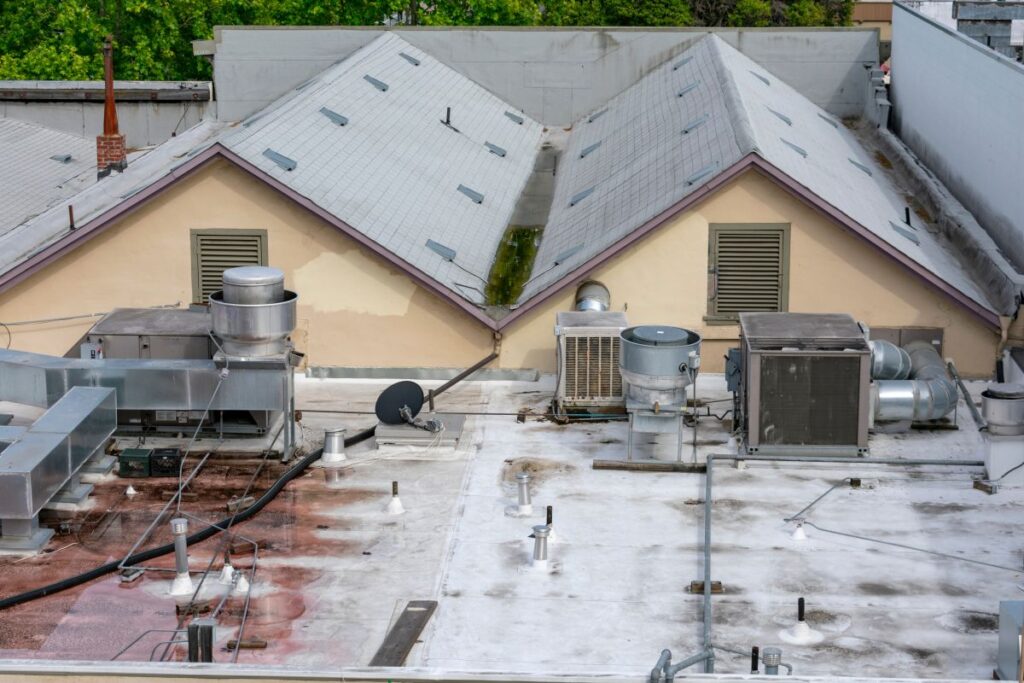
Any time a commercial property experiences a major weather event, an additional inspection is strongly recommended. Severe storms can cause damage that is not visible from the ground or apparent from inside the building, and the sooner that damage is identified, the less likely it is to turn into interior water damage or structural problems. We always recommend post-storm inspections after high winds, hail, heavy snow, or any event that produces visible damage to surrounding properties.
- High wind events: Schedule an inspection after sustained winds above 50 to 60 miles per hour.
- Hail storms: Any hail event can damage commercial roofing membranes, even when surface damage is not obvious.
- Heavy snow or ice: Excessive snow load and ice dams require evaluation for structural and drainage impact.
- Lightning or impact: Direct strikes or fallen tree debris always warrant a thorough professional assessment.
4. Pre-Purchase or Lease Inspection
A commercial roof inspection should always be performed before purchasing or leasing a commercial property. The condition of the roof is one of the largest factors in long-term ownership costs, and an unexpected replacement can dramatically change the financial picture of a real estate transaction. We provide thorough pre-purchase inspections that document the current condition of the roof along with the expected remaining lifespan and any issues that need attention. Buyers and tenants benefit from having this information in writing before making a commitment.
- Condition documentation: Receive a detailed report of the roof’s current condition, including photos and findings.
- Lifespan estimate: Get a professional estimate of the remaining useful life of the roof.
- Repair identification: Identify any existing damage or maintenance needs that may require negotiation.
- Capital planning: Use the inspection report to plan future maintenance and replacement budgets accurately.
Factors That May Require More Frequent Commercial Roof Inspections
While twice a year plus post-storm inspections is the industry standard, some commercial properties benefit from a more frequent schedule. Several factors can change the optimal inspection cadence, and recognizing these factors helps property owners protect their investment more effectively.
Conditions That Call for a More Frequent Schedule
Commercial properties with certain characteristics or in certain environments need closer monitoring than the standard biannual schedule provides. These situations are common, and an experienced inspection partner can help determine the right cadence for any specific building. We often recommend quarterly or even monthly inspections for properties that fall into one or more of these categories.
- Aging roof systems: Roofs approaching the end of their expected lifespan benefit from more frequent professional evaluation.
- Heavy rooftop traffic: Properties with frequent HVAC or equipment service calls experience accelerated wear from foot traffic.
- Severe local climate: Buildings in regions with extreme weather, high winds, or frequent hail need additional inspections.
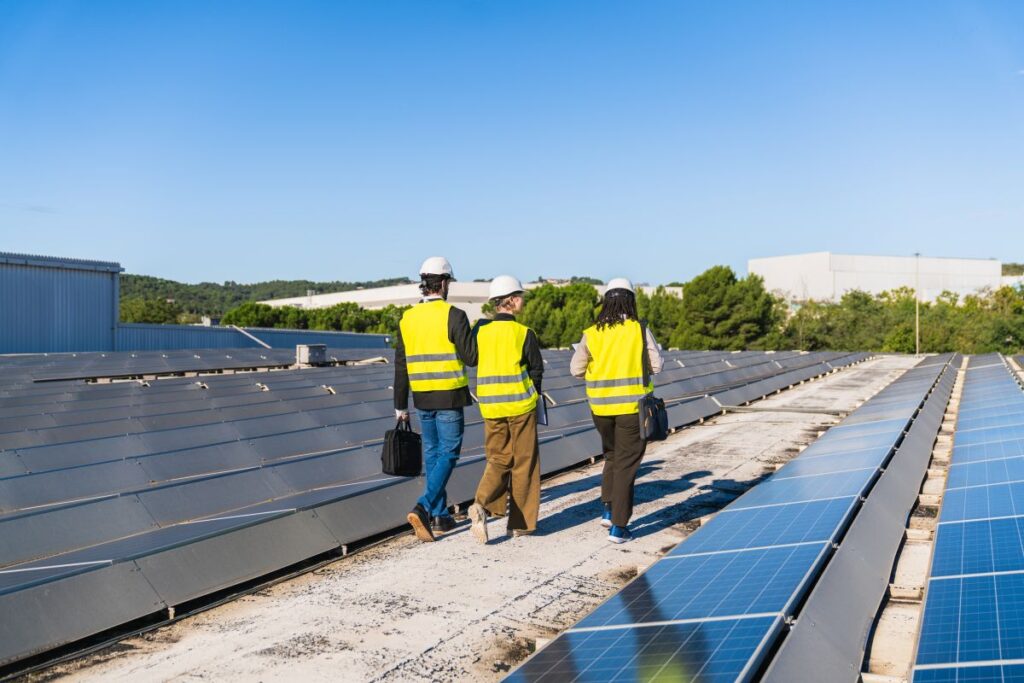
- Solar panel installations: Roofs with solar arrays require more frequent checks due to added weight and limited surface access.
Frequently Asked Questions About Commercial Roof Inspections
Commercial property owners often have similar questions about inspection schedules and what to expect from the process. Below are direct answers to the questions we hear most often. These answers reflect general industry guidance and can be tailored to specific buildings during a consultation.
How Often Should a Commercial Roof Be Inspected?
A commercial roof should be inspected at least twice a year, in spring and fall, plus after any major weather event such as high winds, hail, or heavy snow. This schedule reflects the National Roofing Contractors Association’s standard recommendation and helps property owners catch issues early. Some commercial roofs need more frequent inspections, especially older systems, roofs with heavy foot traffic, or properties in extreme weather regions.
- Standard frequency: Twice annually, ideally spring and fall.
- Storm response: Additional inspections after any severe weather event.
- High-traffic roofs: More frequent checks for buildings with heavy HVAC or equipment activity.
- Aging systems: Quarterly inspections may be appropriate for roofs near the end of their lifespan.
How Long Does a Commercial Roof Inspection Take?
Most commercial roof inspections take between one and three hours depending on the size of the building, the type of roof, and the complexity of the inspection. Larger or more complex commercial roofs may require a full day for a thorough assessment. We document everything we find with photos and detailed notes so property owners have a clear record of the roof’s condition. The time invested in a thorough inspection nearly always pays for itself in problems caught early.
- Typical duration: One to three hours for most standard commercial roofs.
- Large or complex roofs: May require a full day for complete evaluation.
- Detailed documentation: Includes photos, notes, and a professional condition report.
- Time investment: Pays for itself by catching issues before they become emergencies.
What Does a Commercial Roof Inspection Cover?
A commercial roof inspection covers the entire roofing system, including the membrane or covering, flashings, drainage components, penetrations, seams, and structural elements. The inspector also checks for ponding water, debris accumulation, and any signs of leaks or interior damage. We provide a written report after every inspection that documents findings, photos, and recommendations so property owners have everything they need to make informed decisions.
- Roof surface evaluation: Membrane condition, seams, granule loss, and surface wear.
- Drainage components: Gutters, drains, scuppers, and downspouts inspected for proper flow.
- Flashing and penetrations: Seals, vents, HVAC curbs, and skylights checked for integrity.
- Interior signs: Attic and ceiling areas checked for any signs of moisture or leaks.
Trust Capstone Roofing Inc. for Your Commercial Roof Inspection
Commercial properties represent significant investments, and protecting them requires a roofing partner who takes the work as seriously as the owner does. At Capstone Roofing Inc., we bring deep commercial roofing experience to every inspection and treat each property with the same care we would give our own. Our team takes time to understand the building, the roofing system, and the specific concerns of the property owner, and we deliver thorough, honest reports that support smart decision-making. We pride ourselves on transparent communication, detailed documentation, and craftsmanship that protects properties for years to come. If you are due for a commercial roof inspection or simply want to understand the current condition of your building’s roof, we are here to help. Contact Capstone Roofing Inc. today for a free inspection and expert guidance from a team you can trust.


4.8 RATING

5.0 RATING

A+ RATING