

How to Fix a Sagging Roof: 4 Causes and Solutions
Knowing how to fix a sagging roof starts with understanding why it is sagging in the first place, since the right repair always depends on the right diagnosis. At Capstone Roofing Inc., we have inspected countless sagging rooflines, and we know that what looks like a small dip from the driveway often points to serious structural issues hiding underneath. Water damage is one of the leading causes of sagging roofs, and the data shows just how common it is. According to the Insurance Information Institute, about one in 67 insured homes files a property damage claim caused by water damage or freezing each year, making it one of the most frequent and costly home insurance claims in the country. Catching a sagging roof early prevents minor structural problems from turning into full-blown emergencies.
In this guide, we walk through the four most common causes of a sagging roof along with the solutions that actually work. We will cover:
- The four primary causes of roof sagging: A clear breakdown of why roofs begin to dip and what each cause means structurally.
- The repair solutions for each problem: What it takes to correct sagging, from minor decking work to major framing reinforcement.
- Warning signs to watch for: Early indicators that homeowners should never ignore when their roofline starts to change.
Why a Sagging Roof Is a Serious Structural Concern
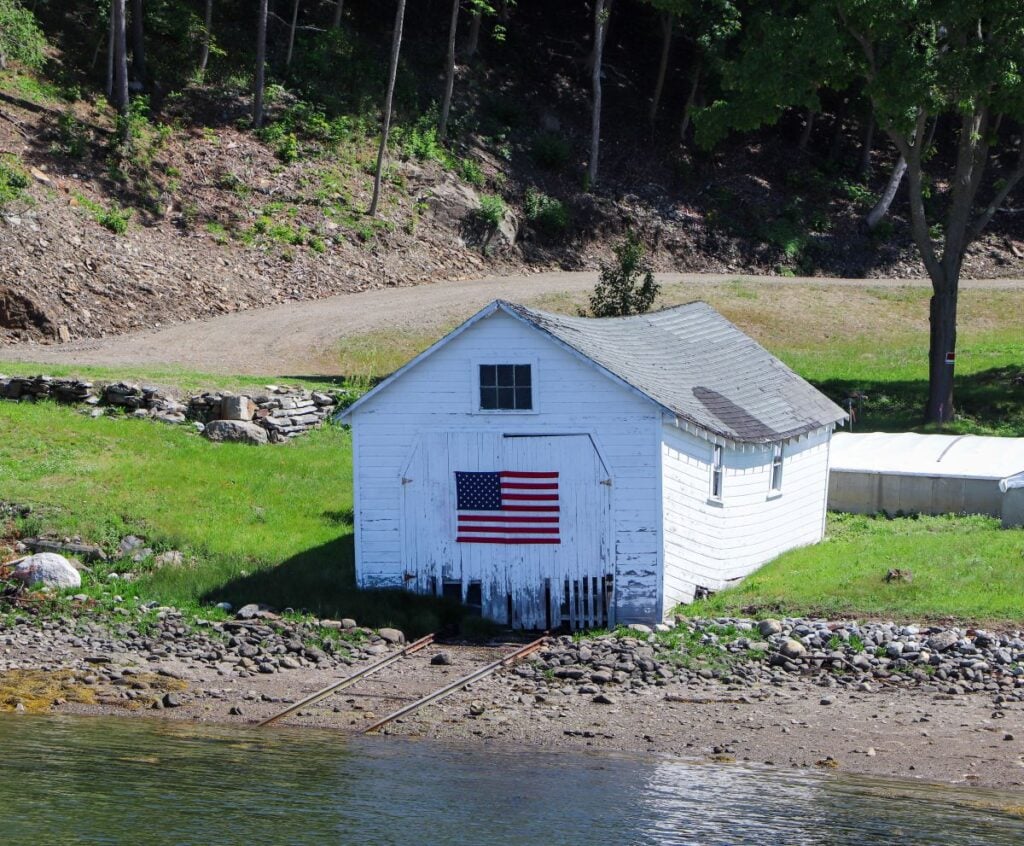
A roof is engineered to distribute weight evenly across rafters, trusses, decking, and load-bearing walls. When any part of that system fails, the load is no longer carried correctly, and a visible sag develops. Sagging roofs do not heal on their own. They progress, and the longer they go unaddressed, the more expensive the eventual repair becomes. We always urge homeowners to treat sagging as a call-today situation rather than a wait-and-see problem. Even small dips signal a structural issue that deserves immediate attention.
Warning Signs of a Sagging Roof
Sagging usually develops gradually, which is why many homeowners do not notice the problem until it has already advanced. Knowing what to look for helps families catch issues early and call a professional before the structure becomes dangerous. We always recommend inspecting the roofline from multiple angles outside the home and checking interior signs that often appear at the same time.
- Visible roofline dip: A noticeable sag, curve, or dip along the ridge or between rafters when viewed from the street.
- Cracks in walls or ceilings: Interior cracks that suddenly appear can indicate the roof is putting pressure on supporting structures.
- Doors and windows that stick: Frames shifting due to roof movement can cause doors and windows to no longer open or close smoothly.
- Pooling water on the roof: Standing water after rainstorms suggests the roof surface is no longer draining properly due to dips.
Risks of Ignoring a Sagging Roof
Sagging roofs are not just cosmetic problems. They represent active structural failure that, left untreated, can lead to leaks, mold, interior damage, and in extreme cases full collapse. We have seen what happens when homeowners delay repairs hoping the issue will resolve on its own, and the outcomes are almost always more expensive and more disruptive than early intervention would have been.
- Progressive structural damage: Small sags grow larger over time as compromised framing continues to bend under load.
- Water intrusion and mold: Sagging areas hold water rather than shedding it, leading to rot, mold, and interior damage.
- Risk of partial collapse: Severe sagging can result in sections of the roof failing entirely, especially under snow or heavy rain.
- Higher repair costs: Damage that compounds over months or years often turns minor repairs into full replacements.
4 Common Causes of a Sagging Roof and How to Fix Them
Every sagging roof has a specific cause, and identifying it correctly is the foundation of any effective repair. Below are the four most common reasons we see roofs sag along with the solutions that actually solve each problem. Understanding the cause helps homeowners ask the right questions and recognize quality repair work when they see it.
1. Water Damage and Wood Rot
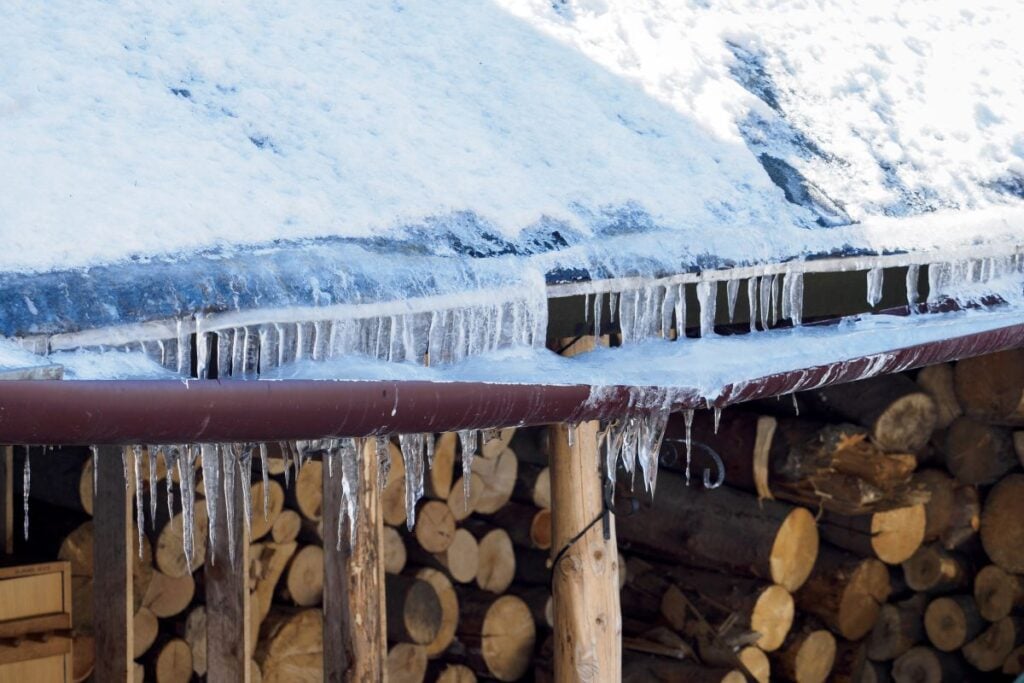
Water is the single most common cause of roof sagging that we encounter. Persistent leaks, ice dams, and clogged gutters allow moisture to seep into the roof decking and framing, where it slowly rots the wood. Once the structural members lose their strength, they can no longer hold the weight of the roofing materials above. Solving this problem requires both repairing the rot and eliminating the moisture source so the issue does not return.
- Source identification: We trace the leak back to its origin, whether it is damaged shingles, failed flashing, or compromised gutters.
- Decking replacement: Rotted plywood or oriented strand board sheathing must be removed and replaced with new, sound material.
- Framing repair: Damaged rafters or trusses are reinforced through a process called sistering, which adds new lumber alongside the compromised pieces.
- Moisture prevention: New flashing, improved attic ventilation, and gutter upgrades keep water from causing the same problem again.
2. Excessive Weight or Roof Overloading
Roofs are engineered to handle a specific amount of weight, including the materials themselves and seasonal loads from snow, ice, and debris. When that weight limit is exceeded, the structure begins to deflect under the strain. We frequently see this issue on older homes where multiple layers of shingles were installed over the years, on roofs in heavy snow regions, and on properties where debris has accumulated unchecked.
- Layer assessment: We check whether multiple shingle layers have been installed beyond what the structure was designed to support.
- Tear-off and replacement: Excess roofing material is removed completely so the structure carries only its intended load.
- Structural reinforcement: Where framing has already deflected, we add bracing, sistered rafters, or new support members to restore strength.
- Snow load management: In snowy regions, we recommend roof rakes or professional snow removal to prevent winter overloading.
3. Poor Original Construction or Design Flaws
Some sagging roofs were destined to fail from the day they were built. Undersized rafters, trusses spaced too far apart, missing structural bracing, and unpermitted modifications all create weaknesses that show up as sagging years or decades later. We often find these issues in older homes built before modern building codes or in homes where do-it-yourself additions skipped proper engineering oversight. Fixing these problems means correcting the original construction errors.
- Engineering assessment: We bring in a structural engineer when needed to evaluate framing and identify the exact design flaw.
- Rafter sistering: Adding new full-length rafters alongside undersized originals restores the strength the roof always needed.
- Truss reinforcement: Damaged or modified trusses are repaired according to manufacturer specifications and engineer recommendations.
- Code-compliant repairs: Any reinforcement we install meets current building codes and proper structural engineering standards.
4. Age-Related Deterioration
Even well-built roofs eventually show their age. Decades of weather exposure, freeze-thaw cycles, and natural material wear can leave older roofs unable to perform the way they once did. Lumber dries out and weakens, fasteners corrode, and structural members lose the strength they had at installation. We see age-related sagging most often on roofs that are nearing or past their original lifespan and have not received regular maintenance.
- Lifespan evaluation: We assess the roof’s age and remaining life expectancy before recommending repair or replacement.
- Targeted reinforcement: When the underlying structure is still mostly sound, we focus on reinforcing the specific areas showing wear.
- Full replacement consideration: For roofs at or beyond their expected lifespan, replacement often costs less long-term than ongoing repairs.
- Preventive maintenance: Annual inspections and proactive upkeep extend the life of newer roofs and prevent age-related sagging.
How a Professional Sagging Roof Repair Works
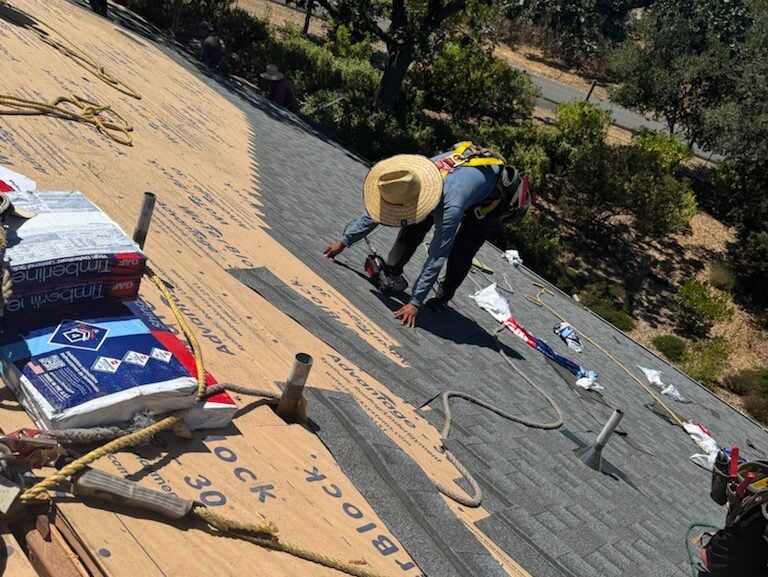
Repairing a sagging roof is not a do-it-yourself project. The work involves structural engineering, careful shoring, and coordinated repairs that need to happen in the right sequence to keep the roof safe during the process. We always walk homeowners through what to expect so they understand the work being done and why each step matters.
What to Expect During a Sagging Roof Inspection and Repair
A proper sagging roof repair starts with a thorough inspection, both from the exterior and from inside the attic. The goal is to identify exactly what is causing the sag and what it will take to correct it without creating new problems. We document everything we find, explain it in plain language, and walk homeowners through the recommended repair plan before any work begins.
- Exterior inspection: We evaluate the roofline, shingles, flashing, and visible structural elements from outside the home.
- Attic assessment: We examine rafters, trusses, decking, and ventilation from inside the attic for signs of damage or weakness.
- Repair planning: A detailed scope of work outlines what will be repaired, what materials will be used, and how long the project will take.
- Safe execution: Proper shoring and structural sequencing keep the roof stable while repairs are completed.
Trust Capstone Roofing Inc. for Sagging Roof Repairs
A sagging roof is one of the most serious problems a homeowner can face, and getting it fixed correctly the first time matters more than almost any other roofing project. At Capstone Roofing Inc., we bring deep structural experience to every sagging roof repair, and we treat each project with the seriousness it deserves. Our team takes the time to find the true cause of the sag, recommend the right solution, and complete the work to standards that protect the home for years to come. We stand behind our craftsmanship because we believe homeowners should feel completely confident in the structural integrity of their home. If you have noticed how to fix a sagging roof showing up on your search list because something has changed about your roofline, we are here to help. Contact Capstone Roofing Inc. today for a free inspection and expert guidance from a team you can trust.
Recent Articles
Roofing Tips & Tricks


4.8 RATING

5.0 RATING

A+ RATING