

Commercial Roof Maintenance: How Often Do You Need It?
A consistent commercial roof maintenance schedule is one of the smartest investments a property owner can make to protect a commercial building, and the right frequency depends on several specific factors. At Capstone Roofing Inc., we have worked with countless commercial property owners to develop maintenance programs that fit their buildings, budgets, and long-term goals. The standard industry recommendation is a starting point, but the real answer to how often a commercial roof needs maintenance comes from understanding the specific building, its roof system, and the conditions it faces year-round. Getting the frequency right protects the roof, the building, and everything inside it for decades to come.
In this guide, we walk through everything commercial property owners need to know about how often commercial roof maintenance should occur. We will cover:
- The baseline industry recommendation: The standard frequency that applies to most commercial buildings under typical conditions.
- Factors that may call for more frequent maintenance: The specific conditions that warrant a closer maintenance schedule.
- What proper maintenance frequency delivers: The benefits property owners see when their roof receives the right level of attention.
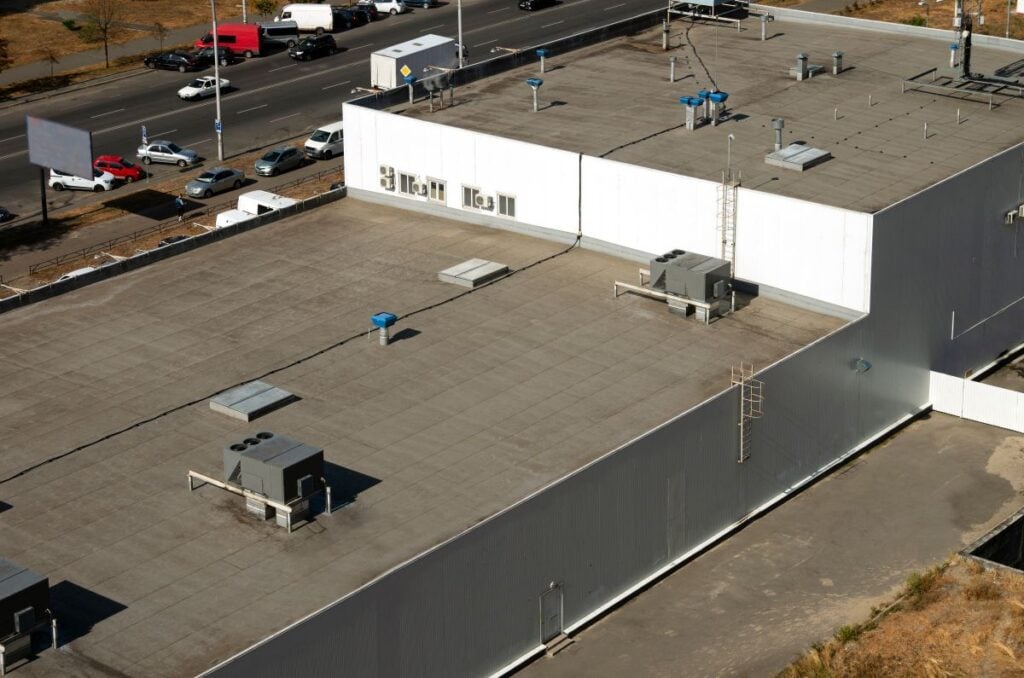
What Is the Standard Commercial Roof Maintenance Frequency?
The widely accepted industry standard for commercial roof maintenance is a minimum of two professional inspections per year, with one in the spring and one in the fall, plus additional inspections after major weather events. This schedule applies to most commercial buildings under typical conditions and represents the baseline for protecting both the roof and any warranty coverage that depends on documented maintenance. We use this framework as a starting point and adjust based on the specific building and its conditions.
Why Spring and Fall Are the Standard Inspection Times
Spring and fall inspections are not arbitrary. Each one serves a specific purpose tied to the weather conditions that came before and the ones that lie ahead. Understanding the reasoning helps property owners appreciate why these timing recommendations have become the industry standard for commercial roof maintenance.
- Spring inspection purpose: Identifies winter damage and prepares the roof for spring storms and summer heat.
- Fall inspection purpose: Addresses summer wear and verifies the roof is ready for winter weather and snow load.
- Drainage prep timing: Both inspections include drainage system checks before heavy seasonal demands arrive.
- Optimal weather windows: Spring and fall typically offer the best working conditions for thorough roof inspections.
Why Post-Storm Inspections Matter
Beyond the standard spring and fall schedule, any major weather event should trigger an additional inspection. Storm damage on commercial flat roofs often hides in places that are not visible from the ground or even from inside the building. Catching storm damage promptly protects the building from secondary damage and supports any insurance claim that may apply. We always recommend post-storm inspections as an essential part of any commercial maintenance program.
- High wind events: Schedule an inspection after sustained winds above 50 to 60 miles per hour.
- Hail storms: Even moderate hail can damage commercial membranes in ways that are not obvious from the ground.
- Heavy snow or ice: Significant snow load or ice damming warrants prompt professional evaluation.
- Severe rainfall: Major rain events may reveal drainage problems that need immediate attention.
5 Factors That Affect Commercial Roof Maintenance Frequency
While twice a year plus post-storm inspections is the baseline, several factors can change the optimal maintenance schedule for a specific building. Below are the five most important factors we consider when developing a maintenance program for any commercial property. Understanding these factors helps property owners design a schedule that actually matches their building’s needs.
1. Roof Age and Condition
The age and current condition of the roof are among the most important factors in determining maintenance frequency. According to the National Roofing Contractors Association, building owners should schedule roof system inspections at least twice per year in the spring and fall, but roofs approaching the end of their service life often benefit from quarterly attention. Newer roofs in excellent condition can typically follow the baseline schedule, while older roofs need closer monitoring. We always evaluate roof age as part of any maintenance planning conversation.
- Newer roofs: Roofs under 10 years old typically follow the standard biannual schedule with no adjustments needed.
- Mid-life roofs: Systems 10 to 15 years old may benefit from an extra mid-season check depending on condition.
- Aging roofs: Roofs over 15 years old often warrant quarterly inspections to catch developing issues early.
- Repair history: Roofs with significant repair history may need closer monitoring regardless of age.
2. Climate and Local Weather Patterns
Local climate significantly influences how often a commercial roof needs maintenance. Buildings in regions with extreme weather, frequent storms, heavy snow, or intense heat all face conditions that accelerate roof wear and increase the need for attention. We always factor in the specific climate when recommending a maintenance frequency for any commercial property.
- Severe weather regions: Buildings in storm-prone areas often need additional inspections beyond the standard schedule.
- Heavy snow climates: Snow load and ice dam risk warrant extra attention during and after winter months.
- Hot, sunny climates: Intense ultraviolet exposure accelerates membrane wear and may justify more frequent inspections.
- Coastal locations: Salt air and high humidity create unique conditions that often require closer monitoring.
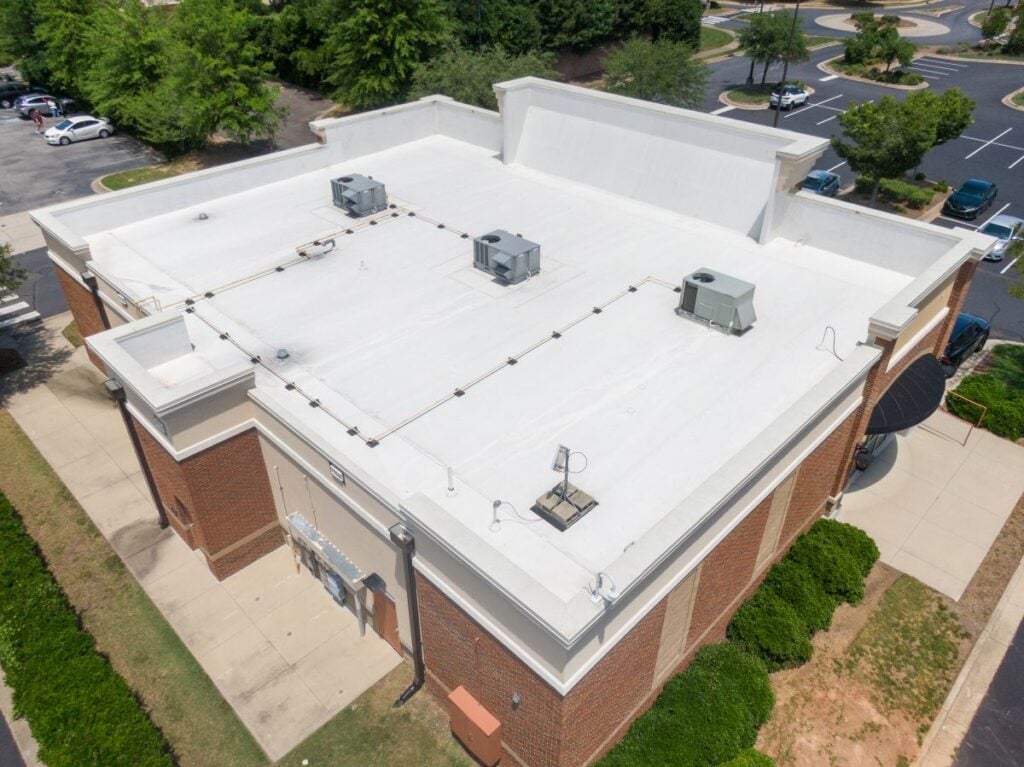
3. Roof Type and Membrane System
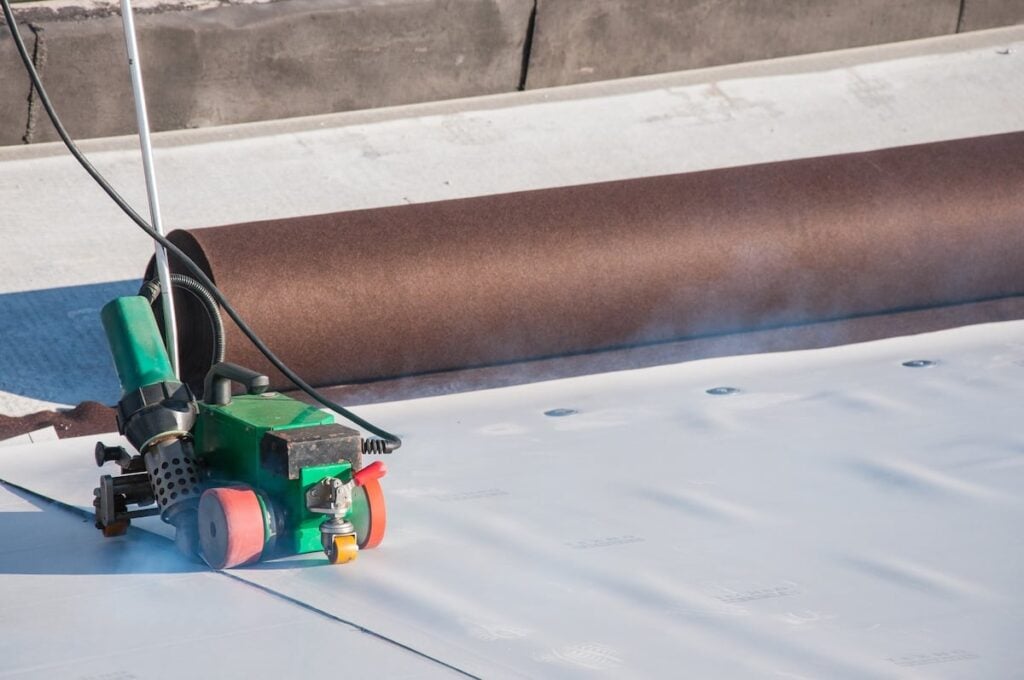
Different roofing systems have different maintenance requirements. Single-ply membranes like TPO, EPDM, and PVC each have their own vulnerabilities and recommended inspection focuses. Modified bitumen, built-up roofing, and metal systems also have unique characteristics that affect maintenance planning. We tailor maintenance schedules to the specific membrane system in place rather than applying a generic schedule across all roof types.
- TPO and PVC systems: Heat-welded seams need regular inspection to confirm long-term integrity.
- EPDM systems: Adhesive seams require attention to confirm bond strength as the roof ages.
- Modified bitumen: Cap sheets and seams need periodic checks for cracks, blisters, or separation.
- Built-up roofing: Multi-ply systems benefit from regular inspection of the cap layer and flashings.
4. Foot Traffic and Rooftop Equipment
Buildings with heavy rooftop activity face accelerated wear and warrant more frequent maintenance attention. HVAC technicians, equipment installers, sign crews, and other tradespeople walking the roof can cause punctures, displace flashing, and create issues that need prompt attention. Rooftop equipment also creates penetration points that are common sources of leaks. We always factor in rooftop activity when planning maintenance schedules.
- Heavy HVAC service: Buildings with frequent HVAC visits should consider quarterly inspections.
- Multiple rooftop units: More penetrations mean more potential leak points that need regular checking.
- Solar panel installations: Added weight and limited access often justify more frequent inspections.
- Frequent trade activity: Roofs accessed by multiple contractors benefit from increased monitoring.
5. Surrounding Environment and Vegetation
The environment around a commercial building affects how often the roof needs attention. Buildings surrounded by mature trees, in industrial areas, or near sources of airborne debris all face conditions that increase maintenance needs. We always evaluate the surrounding environment as part of any maintenance planning conversation.
- Tree coverage: Mature trees near the building drop debris that needs regular removal from the roof.
- Industrial exposure: Buildings near industrial sources of pollution may face accelerated membrane wear.
- Urban environments: City locations often have unique debris and pollution patterns that affect maintenance needs.
- Wildlife considerations: Birds, rodents, and other wildlife can create unique maintenance challenges in some locations.
Building a Maintenance Schedule That Works for Your Property
Once the key factors are understood, the next step is building a maintenance schedule that matches the building’s actual needs. We always design maintenance programs around the specific property rather than applying a generic template, since no two commercial roofs face identical conditions.
What a Customized Maintenance Schedule Looks Like
A well-designed maintenance schedule reflects the specific building, its roof system, and the conditions it faces. The schedule should include planned inspection dates, defined scope for each visit, and clear protocols for responding to weather events. We work with each property owner to develop a schedule that delivers the right level of attention without overcommitting resources.
- Defined inspection cadence: Specific dates or seasonal windows for each scheduled visit.
- Clear scope of work: Defined activities for each inspection, including documentation requirements.
- Storm response protocol: Procedures for additional inspections after defined weather events.
- Annual review: Regular evaluation of the schedule against actual roof performance and condition changes.
Frequently Asked Questions About Commercial Roof Maintenance Frequency
Commercial property owners often have similar questions about how often their roof needs maintenance. Below are direct answers to the questions we hear most often. These answers reflect general industry guidance and can be tailored to specific buildings during a professional consultation.
How Often Should a Commercial Roof Be Maintained?
A commercial roof should receive professional inspections at least twice a year, in spring and fall, along with additional inspections after major weather events. Some buildings benefit from quarterly inspections based on roof age, climate, foot traffic, and surrounding conditions. We help property owners determine the right cadence based on the specific factors affecting their building during a consultation.
- Standard frequency: Twice annually for professional inspections.
- Quarterly recommended: Older roofs, heavy traffic, or severe climates often justify quarterly attention.
- Post-storm protocol: Additional inspections after any major weather event.
- Customized schedule: The right frequency reflects each building’s specific conditions and needs.
Can I Inspect My Own Commercial Roof Between Professional Visits?
Yes, property owners can conduct visual checks between professional inspections, but trained professional inspections remain essential for thorough assessment. Basic visual checks from a safe vantage point can catch obvious issues like visible debris, ponding water, or major damage. Professional inspections involve walking the roof, examining details, and documenting findings in ways that protect both the roof and any warranty coverage.
- Visual checks: Property owners can spot obvious issues from accessible vantage points.
- Professional inspections: Trained eyes and proper documentation remain essential for thorough assessment.
- Safety considerations: Walking commercial roofs requires training and proper equipment.
- Documentation value: Professional reports support warranty claims and maintenance planning.
What Happens If I Skip Commercial Roof Maintenance?
Skipping regular commercial roof maintenance leads to several preventable problems, including premature roof failure, voided warranties, interior water damage, and significantly higher long-term costs. Minor issues that would be inexpensive to address during a maintenance visit grow into major repairs when left unattended. We have seen the consequences of deferred maintenance many times, and the outcomes are almost always more expensive and disruptive than consistent care would have been.
- Shortened roof life: Untreated minor issues accelerate aging and reduce the useful life of the system.
- Voided warranties: Many manufacturer warranties require documented maintenance to remain valid.
- Interior damage risk: Hidden leaks can cause significant damage to ceilings, equipment, and inventory.
- Higher total costs: Emergency repairs and premature replacements far exceed the cost of regular maintenance.
Trust Capstone Roofing Inc. for Your Commercial Roof Maintenance Program
Commercial roof maintenance is most effective when designed around the specific building it protects, and getting the frequency right makes all the difference in long-term performance. At Capstone Roofing Inc., we bring deep commercial roofing experience to every maintenance program and treat each building with the same care we would give our own. Our team takes time to understand each property’s specific needs, recommend the right maintenance cadence, and deliver thorough, well-documented service that protects the building over the long term. We pride ourselves on honest assessments, transparent communication, and craftsmanship that delivers reliable performance year after year. If you are wondering how often your building needs commercial roof maintenance or want a professional assessment of your current program, we are here to help. Contact Capstone Roofing Inc. today for a free inspection and expert guidance from a team you can trust.


4.8 RATING

5.0 RATING

A+ RATING