

Wind Damage Roof Repair: What to Do After a Storm
Knowing what to do for wind damage roof repair after a storm can mean the difference between a quick, contained repair and weeks of escalating problems inside the home. At Capstone Roofing Inc., we have responded to countless wind damage calls and seen firsthand how quickly small storm-related issues can turn into major water damage when left unaddressed. Wind damage is the most common reason homeowners file insurance claims in the United States. According to the Insurance Information Institute, about one in 36 insured homes has a property damage claim related to wind or hail each year, and these claims account for the largest share of homeowners insurance claims overall. Acting quickly and methodically after a storm protects the home, the family inside, and the long-term integrity of the roof.
In this guide, we walk through everything homeowners need to know about wind damage roof repair after a storm. We will cover:
- Common signs of wind damage: The visible indicators that wind has compromised a roof, including those that are easy to miss.
- Immediate steps after the storm: What to do in the first hours and days to protect the home and document the damage.
- The repair process from start to finish: How professional wind damage roof repair typically unfolds and what to expect along the way.
Why Wind Damage to a Roof Demands Quick Action
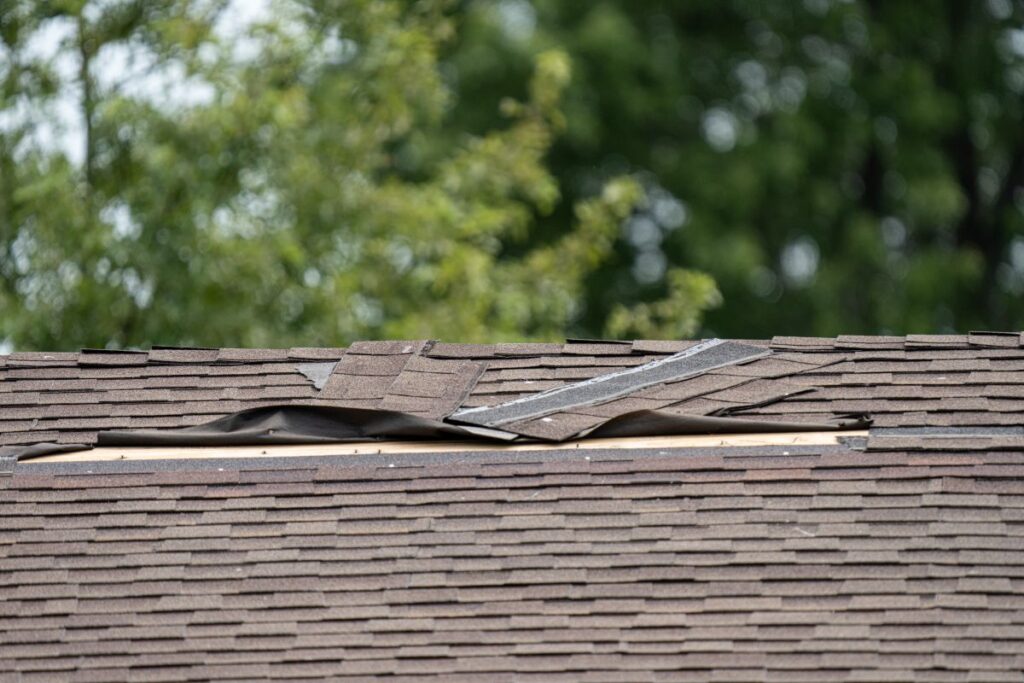
Wind damage rarely looks dramatic from the ground, but it can compromise the protective layers of a roof in ways that allow water, debris, and pests to enter the home. Even moderate winds can lift shingle edges, break seals, and create entry points that fail during the next rainfall. We always urge homeowners to take wind damage seriously regardless of how minor it appears, since the consequences of waiting almost always cost more than addressing the issue right away.
How Wind Damages Different Parts of a Roof
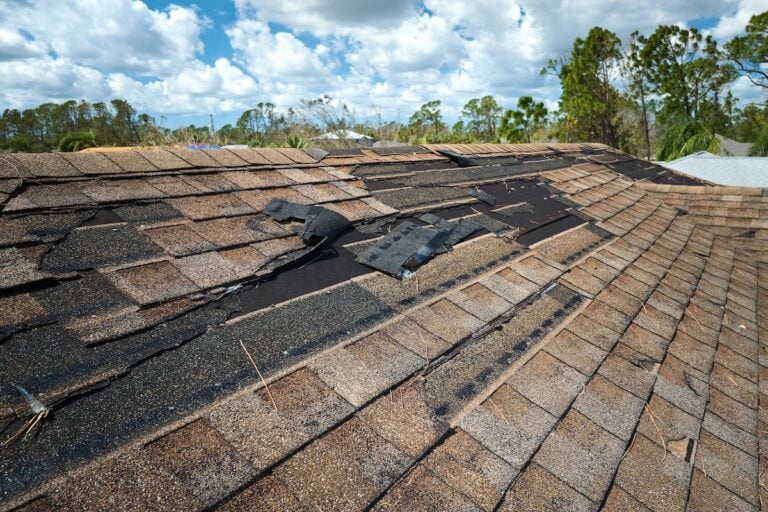
Wind affects roofs in several ways, and each type of damage requires its own approach. Understanding how wind interacts with different roofing components helps homeowners recognize damage early and explain it accurately when calling a roofing professional. We always start every assessment by looking at the specific patterns wind tends to leave behind on each part of the roof.
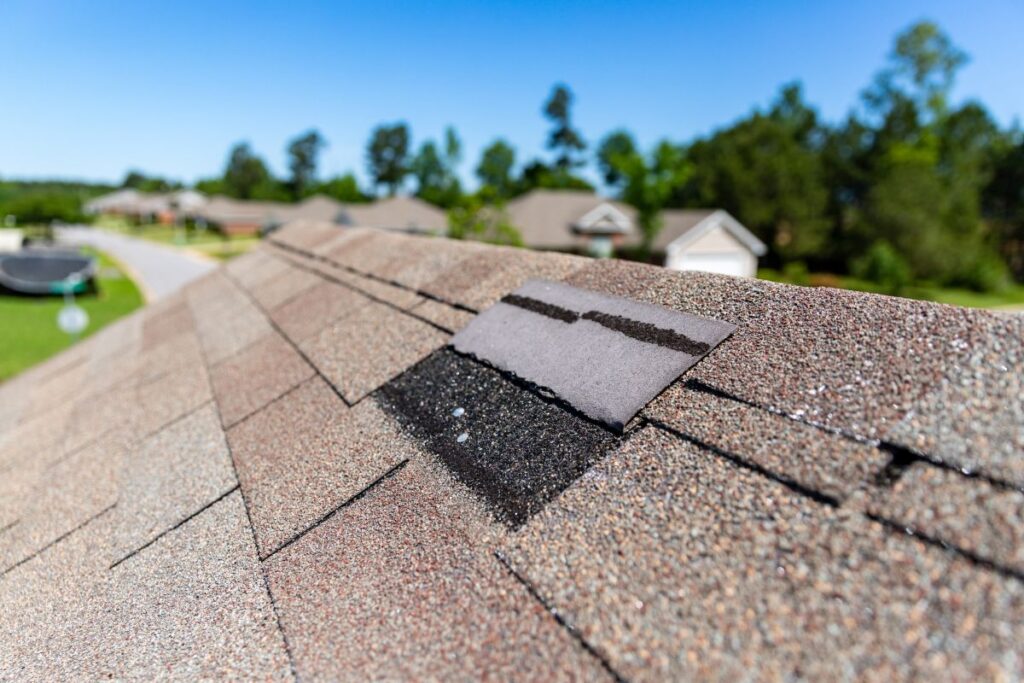
- Shingle lifting: Strong winds lift shingle edges and break the sealant strips that hold them flat against the roof.
- Shingle loss: Severe gusts can tear shingles off entirely, leaving the underlayment and decking exposed to water.
- Flashing damage: Wind can loosen or displace metal flashing around chimneys, vents, and skylights, creating leak entry points.
- Gutter and fascia damage: High winds can pull gutters away from the fascia or damage the fascia boards themselves.
Why Some Wind Damage Hides in Plain Sight
Not all wind damage is obvious from the ground or even from a casual roof inspection. Wind can create subtle damage that only an experienced eye catches, and this kind of damage is often the most dangerous because it goes unaddressed for months or years. We see hidden wind damage on a regular basis, and it is one of the main reasons we recommend professional inspections after any significant storm event.
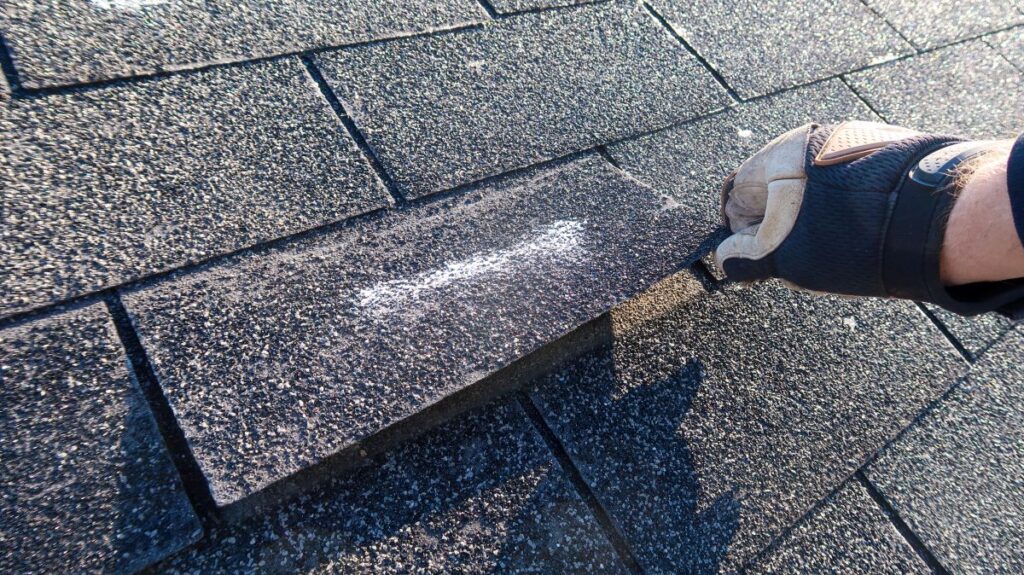
- Broken seals: Wind can break the sealant strip between shingle courses without lifting the shingles visibly.
- Underlying damage: Shingles may look fine on the surface while the underlying mat is fractured or compromised.
- Edge and corner damage: Damage often concentrates at roof edges, ridges, and corners where wind pressure is highest.
- Adjacent damage: Visible damage in one area often signals hidden damage in surrounding sections.
6 Steps to Take For Wind Damage Roof Repair
When a storm passes through, taking the right steps quickly protects the home and supports any future repair or insurance work. Below are the actions homeowners should take after experiencing a wind event that may have caused roof damage. Each step plays a role in protecting the property and ensuring the repair process goes smoothly.
1. Wait for Conditions to Be Safe
The most important first step is making sure conditions are genuinely safe before doing anything else. Wet roofs are extremely slippery, downed power lines may be present, and storm debris can hide hazards. Homeowners should never climb onto a roof immediately after a storm, even when the damage looks easy to assess from the ladder. We always wait for fully dry, calm conditions before inspecting a roof and recommend the same for homeowners.
- Wait for fully dry conditions: Roofs remain dangerously slippery long after rain stops.
- Check for downed power lines: Stay well clear of any electrical hazards in the yard or near the home.
- Beware of falling debris: Loose tree limbs and damaged roof materials can fall during follow-up wind events.
- Use binoculars or a phone camera: Inspect from the ground or a stable ladder rather than walking the roof.
2. Inspect the Property From the Ground
Once conditions are safe, the next step is a thorough ground-level inspection of the property. Most wind damage can be identified from the ground using careful observation, binoculars, or a smartphone camera. Walking the perimeter of the home, checking the yard for shingle pieces, and looking at the roofline from multiple angles helps homeowners get a clear picture before calling a professional. We recommend taking notes and photos during this inspection so everything is documented from the start.
- Walk the perimeter: Inspect every side of the home, looking at the roof from multiple angles.
- Check the yard for debris: Shingle pieces, granules, or roofing material on the ground indicate roof damage.
- Look at gutters and downspouts: Damaged or detached gutters often signal corresponding roof damage above.
- Photograph everything: Document any visible damage with photos and notes for insurance and repair planning.
3. Check the Interior of the Home
Inside the home, signs of roof damage often show up as water stains, drips, or daylight visible through the attic. A thorough interior check helps identify whether wind damage has already led to water infiltration and gives homeowners a complete picture of the situation. We always check the attic when possible, since damage there often appears before it shows up in the living spaces below.
- Look for water stains: Check ceilings on the top floor and around chimneys, skylights, and vents.
- Inspect the attic: Look for daylight through the roof boards, wet insulation, or visible damage to rafters.
- Check for active drips: Place buckets under any active leak points and protect contents below.
- Test the air for moisture: Damp smells in upper rooms can indicate hidden moisture from roof damage.
4. Schedule a Professional Roof Inspection
Even when no damage is visible from the ground or inside the home, a professional inspection after a significant wind event is one of the smartest investments a homeowner can make. Trained roofing professionals catch subtle damage that homeowners often miss, and they can document findings in ways that support repair planning and any future insurance discussions. We strongly recommend scheduling an inspection within days of any major storm rather than waiting for problems to develop.
- Trained inspection: Professionals identify damage that casual observation typically misses.
- Safety advantage: Trained roofers have the equipment and experience to inspect safely.
- Thorough documentation: Detailed reports support repair planning and any insurance claim work.
- Early problem detection: Catching damage early prevents small issues from becoming major repairs.
5. Address Temporary Protection if Needed
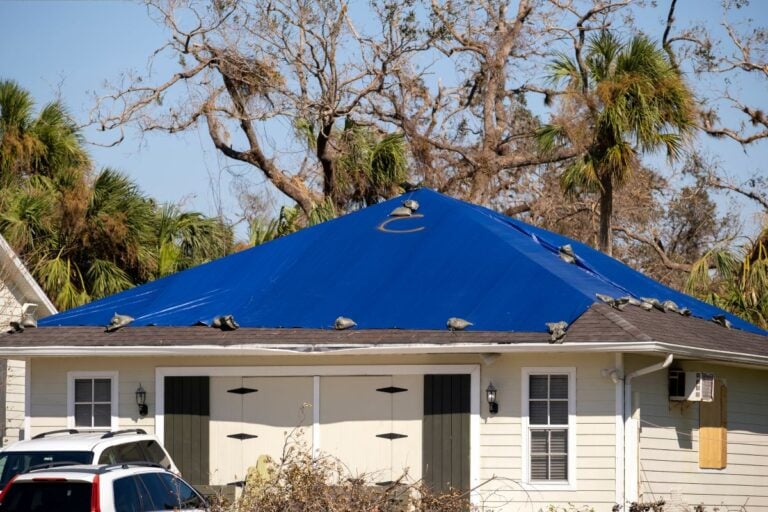
If the inspection reveals damage that exposes the home to further weather, temporary protection like tarping may be needed before permanent repairs can be scheduled. Temporary measures buy time for the right repair plan to come together without allowing additional damage to occur in the meantime. We provide temporary protection when storm conditions warrant it and always plan for permanent repairs as quickly as conditions allow.
- Emergency tarping: Heavy-duty tarps anchored properly can protect exposed areas for weeks at a time.
- Quick patching: Some smaller issues can be temporarily sealed until permanent repairs are completed.
- Interior protection: Cover or move belongings near any active or potential leak areas.
- Schedule permanent repair: Plan for full repair work as soon as conditions and scheduling allow.
6. Plan and Complete Permanent Repairs
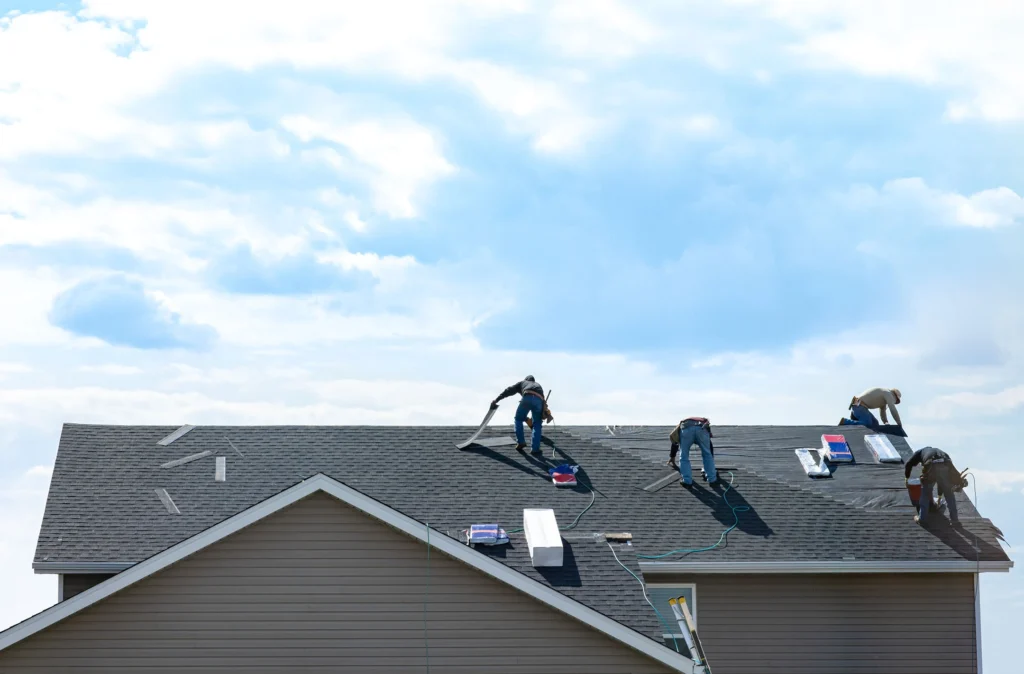
Once the home is protected and the damage is fully documented, the final step is planning and completing permanent repairs. This process includes selecting matching materials, scheduling the work, and verifying that every affected area is fully restored. We always provide clear repair plans with transparent pricing so homeowners understand exactly what work is being done and why. Quality permanent repairs restore the roof to full performance and often last longer than the original installation in the affected areas.
- Material matching: Use shingles or roofing materials that match the existing roof for visual consistency.
- Complete repair scope: Address all damaged areas at once rather than addressing only the most obvious issues.
- Quality installation: Proper installation ensures the repaired sections perform as well as the original roof.
- Warranty coverage: Quality repairs come with workmanship warranties that protect the homeowner long-term.
Frequently Asked Questions About Wind Damage Roof Repair
Homeowners often have similar questions after experiencing a wind event that may have damaged their roof. Below are direct answers to the questions we hear most often. These answers reflect general guidance and can be tailored to specific homes during a professional inspection.
What Wind Speed Causes Roof Damage?
Wind speeds as low as 45 to 57 miles per hour can begin to damage asphalt shingle roofs, with higher winds causing progressively more severe damage. Sustained winds above 60 miles per hour can lift or remove shingles entirely, and gusts above 75 miles per hour can cause major structural damage. We always recommend a professional inspection after any storm with sustained winds above 50 miles per hour, since damage at these speeds is often hidden from casual observation.
- 45 to 57 mph: Minor damage possible, including shingle lifting and sealant breaks.
- 58 to 74 mph: Moderate damage common, with potential shingle loss and flashing displacement.
- 75 mph and above: Severe damage likely, including major shingle loss and structural impact.
- Inspection threshold: Professional inspection recommended after any storm with winds above 50 mph.
How Soon Should Wind Damage Be Repaired?
Wind damage to a roof should be inspected within days of the storm and repaired as soon as practical to prevent further damage. Even minor wind damage can allow water entry during subsequent rainfall, and the longer damaged areas remain unaddressed, the more likely it becomes that secondary damage will occur. We typically recommend a complete inspection within one week of any major storm and permanent repairs within a few weeks of the inspection.
- Inspection timing: Within one week of any significant wind event.
- Temporary protection: Install tarps or emergency seals immediately if active leaks are present.
- Permanent repair timing: Schedule within a few weeks of the inspection to prevent further damage.
- Insurance deadlines: Be aware that most policies have specific filing windows that affect timing decisions.
Is Wind Damage Covered by Homeowners Insurance?
Wind damage to a roof is generally covered by standard homeowners insurance policies, although specific coverage details, deductibles, and exclusions vary by policy and region. Many policies in storm-prone areas include separate wind or hail deductibles that apply specifically to weather-related claims. We recommend reviewing the policy carefully and contacting the insurance company directly to understand exactly what coverage applies to a specific home.
- Standard coverage: Most policies cover wind damage under dwelling coverage.
- Wind/hail deductibles: Some policies include separate deductibles for wind and hail claims.
- Regional variation: Coverage details vary significantly by state and local climate risk.
- Policy review: Always check the specific policy or contact the insurer for accurate coverage details.
Trust Capstone Roofing Inc. for Wind Damage Roof Repair
Wind damage requires fast, knowledgeable action to prevent small problems from becoming major repairs. At Capstone Roofing Inc., we bring deep storm response experience to every wind damage roof repair, and we treat each home with the same care we would give our own. Our team takes time to thoroughly inspect the roof, document every issue we find, and provide clear, transparent repair plans that homeowners can trust. We pride ourselves on honest assessments, quality workmanship, and craftsmanship that protects homes through future storms and beyond. If a recent storm has left your roof in need of attention, we are here to help. Contact Capstone Roofing Inc. today for a free inspection and expert guidance from a team you can trust.



4.8 RATING

5.0 RATING

A+ RATING